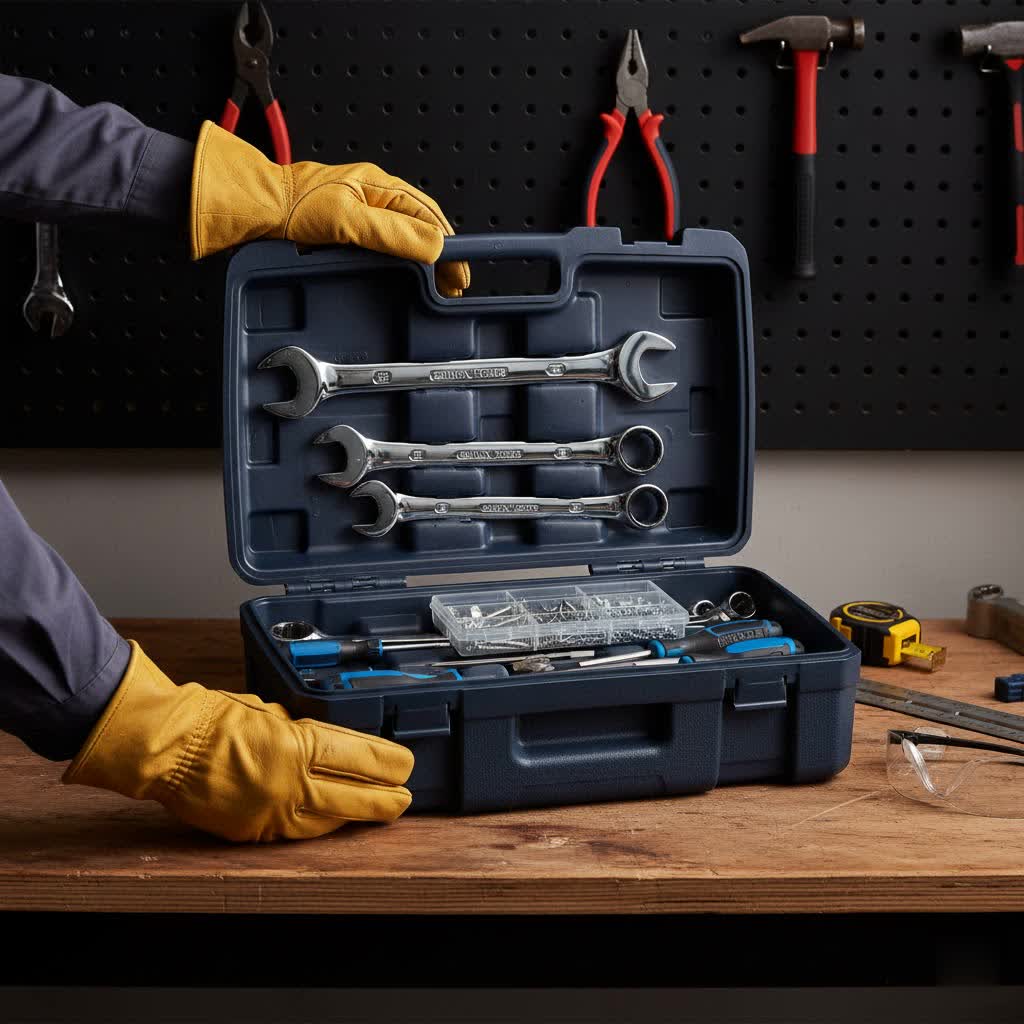
For decades, the name Waterloo has resonated with professionals and DIY enthusiasts alike, synonymous with robust and reliable tool storage. From the bustling workshop to the home garage, a well-chosen tool box is the silent workhorse that keeps your essential instruments organized, protected, and ready for action. If you’re looking to invest in a storage solution that stands the test of time, understanding the enduring legacy and modern offerings of Waterloo Tool Boxes is key. This guide will delve into everything you need to know, from their storied history to choosing the perfect model for your needs.
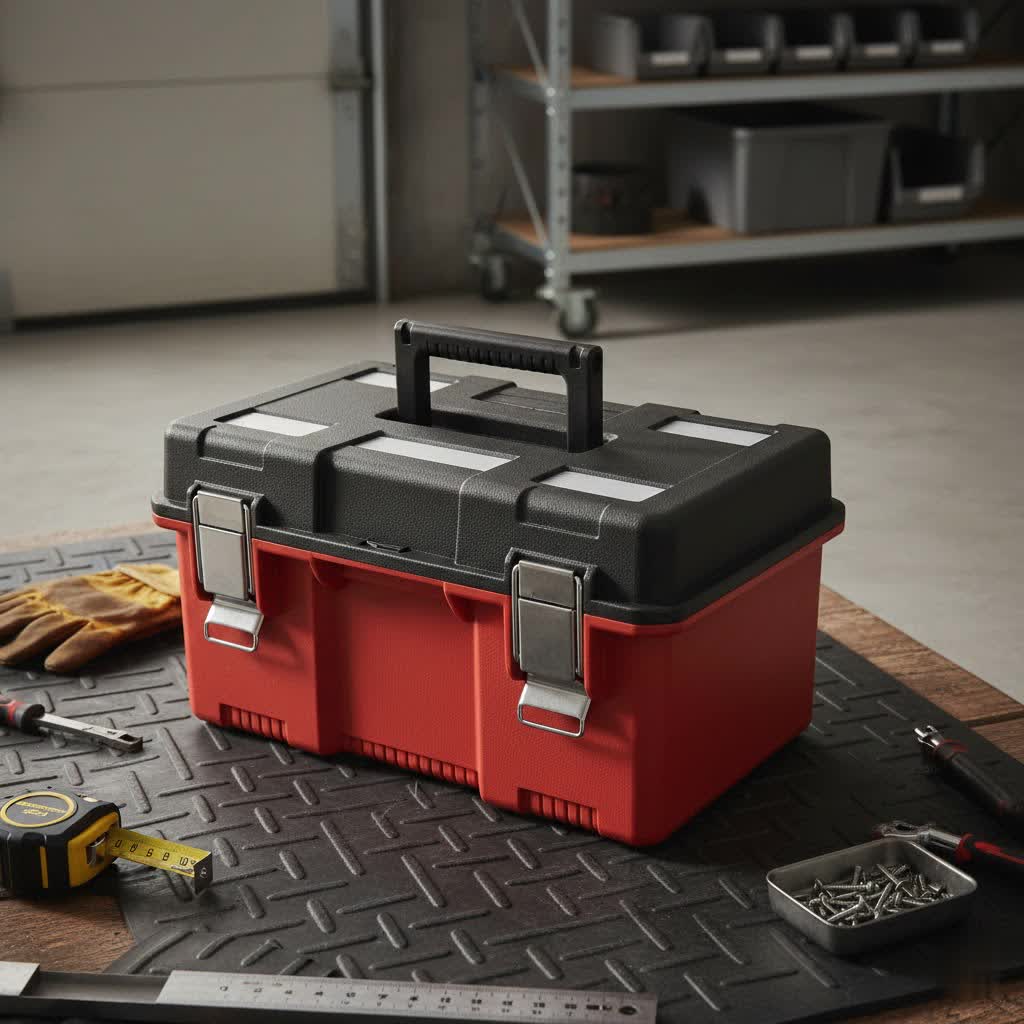
The Enduring Legacy of Waterloo Tool Boxes
|
Our Picks for the Best Tool Box in 2026
We may earn a commission when you use one of our links to make a purchase.
|
||
| Num | Product | Action |
|---|---|---|
| 1 | VEVOR Mechanics Tool Set, 308-Piece Mechanic Tool Kit, 1/4 in, 3/8 in, and 1/2 in Drive, SAE and Metric Socket Set, Wrenches, Screwdriver Bits, Accessories, and Storage Case, for Automotive Repair |

|
| 2 | beyond by BLACK+DECKER BLACK+DECKER BDST60500APB Stackable Storage System - 3 Piece Set (Small, Deep Toolbox, and Rolling Tote) |
|
| 3 | DEWALT TSTAK Tool Box, Extra Large Design, Removable Tray for Easy Access to Tools, Water and Debris Resistant (DWST17806) |
|
| 4 | CRAFTSMAN Tool Box, Tool Storage, Lockable, Black, 16 Inch (CMST16005) |
|
| 5 | Tidy Tool Organizer for 20V Brushless Drill and Packout Compact Tool Box |
|
| 6 | DEWALT 192 Pcs. Mechanics Tool Set, 1/2, 1/4, 3/8 Socket Set, SAE and Metric Socket Wrench Set, Hard Shell Tool Box (DWMT75049) |
|
| 7 | CRAFTSMAN Tool Box, Lockable, 16 in., Red/Black (CMST16901) |
|
| 8 | Heavy Duty Tool Bag 15-Inch, 16-Pocket Portable Empty Tool Box Organizer, Big Storage Toolbox Organization, Soft Handle Large Zipper Carrying Toolbag, Valentines Day Gifts for Him Dad Men, Green |
|
| 9 | Keter Stack N’ Roll 3-Piece Rolling Tool Box System – Stackable Modular Tool Organizer with Wheels, Clear Lid Small Parts Storage & Locking Latches for Garage, Workshop & DIY |
|
| 10 | DEWALT TSTAK Tool Box, Deep, Long Handle, Extra Large Design, Fixed Divider for Tool Organization, Water and Debris Resistant (DWST17814) |
|
Waterloo Industries began its journey in 1922, establishing itself as a prominent manufacturer of tool storage solutions. For many years, Waterloo was a hidden giant, producing tool boxes and chests for some of the most recognizable brands in the industry, including Craftsman, Mac, Cornwell, Husky, and DeWalt. This long-standing history built a reputation for quality, durability, and thoughtful design that made Waterloo an industry benchmark.
However, the landscape shifted significantly in 2017 when Waterloo Industries was acquired by Stanley Black & Decker. This acquisition marked a new chapter, with Waterloo’s manufacturing capabilities now primarily contributing to the production of Stanley, Craftsman, and DeWALT branded tool storage. While some enthusiasts debate the impact on the “original” Waterloo quality, the brand’s fundamental engineering expertise continues to underpin many widely available tool storage products today. Vintage Waterloo boxes, often praised for their sturdy construction and longevity, remain highly sought after by collectors and tradespeople who value their heritage of craftsmanship.
Exploring the Diverse Types of Waterloo Tool Boxes
Waterloo’s history is rich with a variety of tool storage types, designed to meet the demands of different users and environments. Whether you need a mobile solution for on-the-go tasks or a stationary command center for your workshop, there’s a Waterloo-engineered design to fit.
Portable Tool Boxes
These are the most common and versatile, perfect for those who need to transport a selection of tools to various job sites or around the home.
- Metal Portable Tool Boxes: Often crafted from heavy-gauge steel with a durable powder-coated finish, these offer excellent protection against impacts and environmental elements. They typically feature a top lid compartment and often include removable tote trays for smaller items. Comfort-grip handles and full-width piano hinges are common design elements that enhance usability.
- Plastic Portable Tool Boxes: Known for being lightweight and rust-proof, some Waterloo-designed plastic models offer surprising capacity and portability. They are ideal for lighter loads or when working in environments where metal might be a concern, featuring robust latches and internal organization options.
Tool Chests
Designed for more substantial tool collections, tool chests are typically placed on a workbench or atop a rolling cabinet. They offer multiple drawers for organized storage.
- Top Chests: These units sit on top of a larger cabinet or workbench. They usually feature a hinged top lid with additional storage and a series of smaller to medium-sized drawers, ideal for wrenches, sockets, and precision tools.
- Mid-Chests/Intermediate Chests: Less common but highly functional, these provide additional drawer space between a top chest and a rolling cabinet, allowing for modular expansion of your storage system.
Rolling Cabinets
The ultimate solution for organizing extensive tool collections, rolling cabinets provide massive storage capacity and mobility.
- Rolling Tool Cabinets: These heavy-duty units are the foundation of any serious workshop. Constructed from robust steel, they feature multiple full-extension drawers with impressive weight capacities, often supported by ball-bearing slides. Industrial-grade casters (sometimes with brakes) allow for easy movement around the workspace, even when fully loaded. Many models incorporate Posi-Latch™ systems to prevent accidental drawer opening during transit.
Key Features and Innovations that Define Waterloo Quality
Waterloo tool boxes have consistently incorporated features that prioritize durability, organization, and user-friendliness. These design principles continue to be evident in the tool storage products they engineer today.
- Unrivaled Durability: A hallmark of Waterloo products is their solid construction. Many models are built from high-quality steel, often with sidewall-post or roll-cage construction for enhanced rigidity. A resilient powder-coated finish provides excellent resistance against rust, corrosion, and everyday wear and tear, ensuring longevity even in demanding workshop environments.
- Smooth-Operating Drawer Systems: Frustration with sticky drawers is a common complaint with lesser tool boxes. Waterloo-designed units frequently feature full-extension, ball-bearing drawer slides, allowing for effortless opening and closing even when drawers are heavily loaded. These slides often boast impressive weight capacities, some supporting up to 200 pounds per drawer. The innovative Posi-Latch™ System further enhances functionality by securely holding drawers closed, preventing accidental opening during movement.
- Enhanced Security: Protecting your valuable tools is paramount. Waterloo tool boxes typically come equipped with various security features, ranging from options for padlocks on portable units to internal keyed locking systems that secure all drawers and compartments on larger chests and cabinets. High-security tubular locks are a common feature on professional-grade series like Magnum and Traxx, offering peace of mind.
- Ergonomic Design: Thoughtful design extends to user comfort and convenience. Many portable tool boxes feature comfort-grip handles that fit naturally in your hand, making transport less strenuous. Full-width piano hinges on lids provide smooth operation and added stability. Gas struts are often included on cabinet lids, allowing for easy, controlled opening and closing.
- Superior Organization: Beyond just storage, Waterloo emphasizes intelligent organization. Spacious interiors accommodate a wide range of tools, while features like removable tote trays in portable boxes and non-slip drawer liners in chests and cabinets help keep tools in place and prevent damage. Some heavy-duty cabinets also include drawer dividers, allowing for further customization of storage.
“A good toolbox isn’t just about holding tools; it’s about optimizing your workflow. Waterloo’s commitment to sturdy construction and intelligent drawer systems has always set a high standard for tool organization.” – David Chen, Master Mechanic
Waterloo Tool Boxes vs. the Competition: Craftsman and Husky
Given Waterloo’s extensive history as an OEM for many brands, understanding its relationship with competitors like Craftsman and Husky is crucial.
Historically, Waterloo was a primary manufacturer for Craftsman’s metal tool storage. This means many older Craftsman boxes share a similar build quality and design philosophy with pure Waterloo-branded products. However, after Stanley Black & Decker acquired both Craftsman (from Sears) and Waterloo, the lines blurred further. Today, Waterloo’s engineering directly contributes to the Craftsman tool storage lineup.
When comparing modern Craftsman and Husky tool boxes, it’s important to remember that manufacturing processes and materials can vary across product lines.
- Craftsman: Often associated with a broad range of tools, including power tools. Their tool storage, now heavily influenced by Waterloo’s engineering, aims for a balance of durability and features suitable for both DIYers and light professionals. Some modern Craftsman boxes feature conveniences like power strips and soft-close drawers, but their overall metal gauge and construction quality can vary.
- Husky: Home Depot’s house brand, Husky, focuses strongly on hand tools, mechanics tools, and tool storage. While Waterloo used to manufacture for Husky, their manufacturing has largely shifted to China and Taiwan. Husky is often praised for offering robust and stout tool boxes at competitive price points, with features like heavy-duty casters and high drawer weight capacities. Many users perceive Husky boxes to be very durable, sometimes even more so than comparable modern Craftsman offerings, especially for the price.
Ultimately, the choice between these brands often comes down to specific models and your budget. While Waterloo’s direct branding is less common in new retail, its legacy and engineering continue to influence many of the popular tool storage options you see from Stanley, Craftsman, and DeWALT.
How to Choose the Right Waterloo-Engineered Tool Box
Selecting the perfect tool box, even one built with Waterloo’s enduring quality, requires careful consideration of your specific needs.
-
Assess Your Tool Collection and Future Needs:
- Size and Quantity: Do you have a small, portable set of tools for quick fixes, or an extensive collection requiring a multi-drawer cabinet?
- Growth Potential: Anticipate how your tool collection might expand over time. Investing in a larger system or modular components now can save money later.
-
Consider Your Workspace and Portability Requirements:
- Stationary vs. Mobile: Will your tool box stay in one place, or do you need to move it frequently? Portable boxes are great for mobility, while rolling cabinets offer the best of both worlds for larger collections.
- Space Constraints: Measure your available space in your garage, workshop, or vehicle to ensure the tool box fits comfortably.
-
Evaluate Material and Durability:
- Steel: Offers maximum protection and longevity, ideal for heavy use and harsh environments. Look for heavy-gauge steel and a quality powder coat.
- Plastic: Lighter and rust-proof, suitable for lighter loads, moisture-prone areas, or when weight is a primary concern.
-
Prioritize Key Features:
- Drawer Slides: Ball-bearing slides are a must for smooth operation and durability. Check the weight capacity per drawer.
- Security: If tool security is a concern, look for robust locking mechanisms like internal keyed systems or high-security tubular locks.
- Organization: Consider features like removable tote trays, drawer liners, and optional dividers to keep your tools neatly arranged.
- Casters: For rolling cabinets, heavy-duty casters with locking mechanisms are essential for stability and easy movement.
-
Set Your Budget:
- Waterloo-engineered products span a range of price points. Determine what you’re willing to invest, keeping in mind that a durable tool box is a long-term investment that protects your tools.
Maintaining Your Tool Box for Longevity
Even the most durable tool box requires a little care to ensure it serves you well for years to come.
- Regular Cleaning: Wipe down the interior and exterior to remove dust, grease, and grime. This prevents buildup that can hinder drawer operation and cause corrosion.
- Rust Prevention: For metal tool boxes, especially in humid environments, consider applying a light coat of automotive wax or a rust-inhibiting spray periodically. Address any scratches or chips in the paint finish promptly to prevent rust from spreading.
- Drawer Slide Care: Periodically clean and lightly lubricate ball-bearing drawer slides with a dry lubricant or silicone spray. Avoid heavy greases, which can attract dirt.
- Organize Thoughtfully: Keep heavy tools in lower drawers to maintain stability. Use drawer liners to protect surfaces and prevent tools from shifting. Group similar tools together for easy access.
- Inspect and Repair: Regularly check hinges, latches, and casters for wear or damage. Replace any broken parts to maintain the functionality and security of your tool box.
Where to Purchase Quality Tool Storage
While pure “Waterloo Tool Box” branded products are less common in new retail since the Stanley Black & Decker acquisition, you can still find the quality and engineering associated with Waterloo through several channels:
- Major Retailers: Look for tool storage solutions under the Craftsman, Stanley, and DeWALT brands at major hardware stores, home improvement centers (like Lowe’s and Ace Hardware), and online marketplaces (like Amazon). Many of these products benefit from Waterloo’s design and manufacturing heritage.
- Online Tool Suppliers: Specialized online retailers for tool storage may carry current lines or even older stock that reflects Waterloo’s design.
- Secondhand Market: For enthusiasts seeking the classic, pre-acquisition Waterloo quality, the used market (e.g., eBay, Facebook Marketplace, local estate sales, pawn shops) is an excellent place to find vintage Waterloo tool chests and cabinets. Be prepared to inspect these items carefully for wear and tear, and negotiate pricing.
When buying online, always read product descriptions thoroughly and check customer reviews to ensure the product meets your expectations for quality and features.
Conclusion
A reliable tool box is more than just a container; it’s an investment in efficiency, organization, and the longevity of your tools. The legacy of Waterloo Tool Boxes, built on decades of robust design and manufacturing, continues to influence the world of tool storage. Whether you choose a classic vintage model or a modern equivalent under a brand like Craftsman or Stanley, understanding the core principles of Waterloo’s quality will guide you to a durable, functional solution. By selecting the right type, appreciating its key features, and committing to proper maintenance, your tool storage will serve you faithfully for years.
What qualities do you value most in your tool box, and how does your current setup meet those needs?
Câu Hỏi Thường Gặp
Are Waterloo Tool Boxes still made in the USA?
Waterloo Industries was historically a USA manufacturer, but after its acquisition by Stanley Black & Decker in 2017, manufacturing locations for products under their brands (Craftsman, Stanley, DeWALT) can vary. Some components or assembly may still occur in the USA, but it’s not exclusively the case for all product lines.
What are the main benefits of ball-bearing drawer slides?
Ball-bearing drawer slides offer significantly smoother operation, allowing drawers to glide open and close effortlessly even when heavily loaded. They also enhance durability by distributing weight more evenly, reducing wear and tear, and providing full extension for easier access to tools at the back of the drawer.
How can I tell if a vintage tool box is a true Waterloo?
Vintage Waterloo tool boxes often feature distinct branding, such as the “Waterloo Industries” logo or specific model numbers. Look for heavy-gauge steel construction, full-width piano hinges, and sturdy latches. Online forums and collector communities can also help identify genuine vintage Waterloo products based on their characteristic design and construction.
Can I get replacement keys or parts for an older Waterloo Tool Box?
Finding original replacement keys or specific parts for very old Waterloo tool boxes can be challenging due to their age and the company’s acquisition. However, for some common locking mechanisms, a locksmith might be able to create a new key. For other parts like drawer slides, generic equivalents might be available, or you might need to source parts from other vintage boxes.
Are Waterloo-engineered tool boxes suitable for professional use?
Yes, many tool storage solutions designed with Waterloo’s engineering expertise, particularly the heavy-duty rolling cabinets and chests, are built to withstand the rigors of professional environments. Features like high-capacity ball-bearing slides, robust steel construction, and secure locking systems make them reliable choices for tradespeople and mechanics.