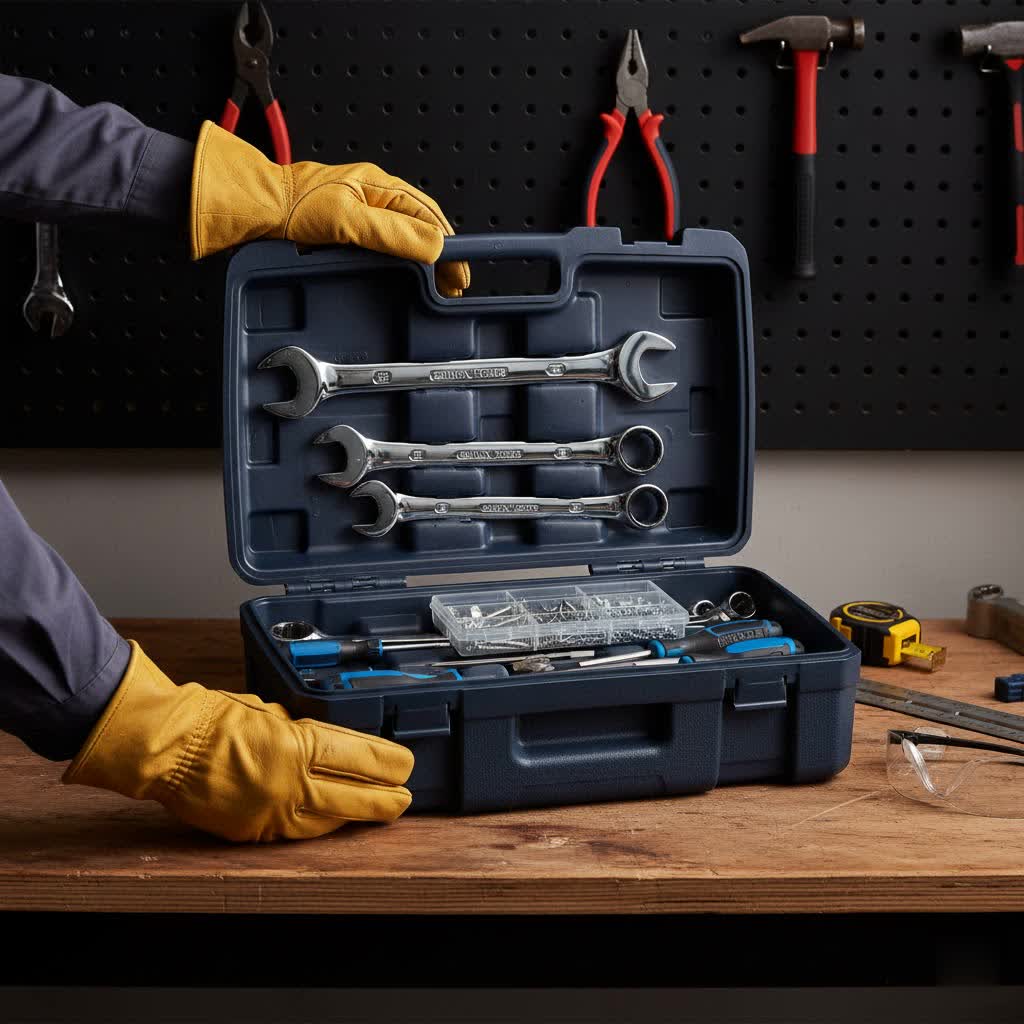
Every seasoned technician, dedicated DIYer, and weekend warrior knows that reliable tool storage is not just a convenience, but a necessity. Imagine the frustration of searching for a misplaced wrench or dealing with a flimsy container that can’t handle the weight of your essential gear. This is where the robust and dependable Metal Tool Box steps in. Designed to withstand the rigors of any job site or workshop, a metal tool box offers unparalleled durability, security, and organization for your valuable investments. In this comprehensive guide, we’ll dive deep into everything you need to know about metal tool boxes, from the different types and top brands to essential buying tips and maintenance advice, ensuring you find the perfect storage solution to keep your tools safe and accessible.
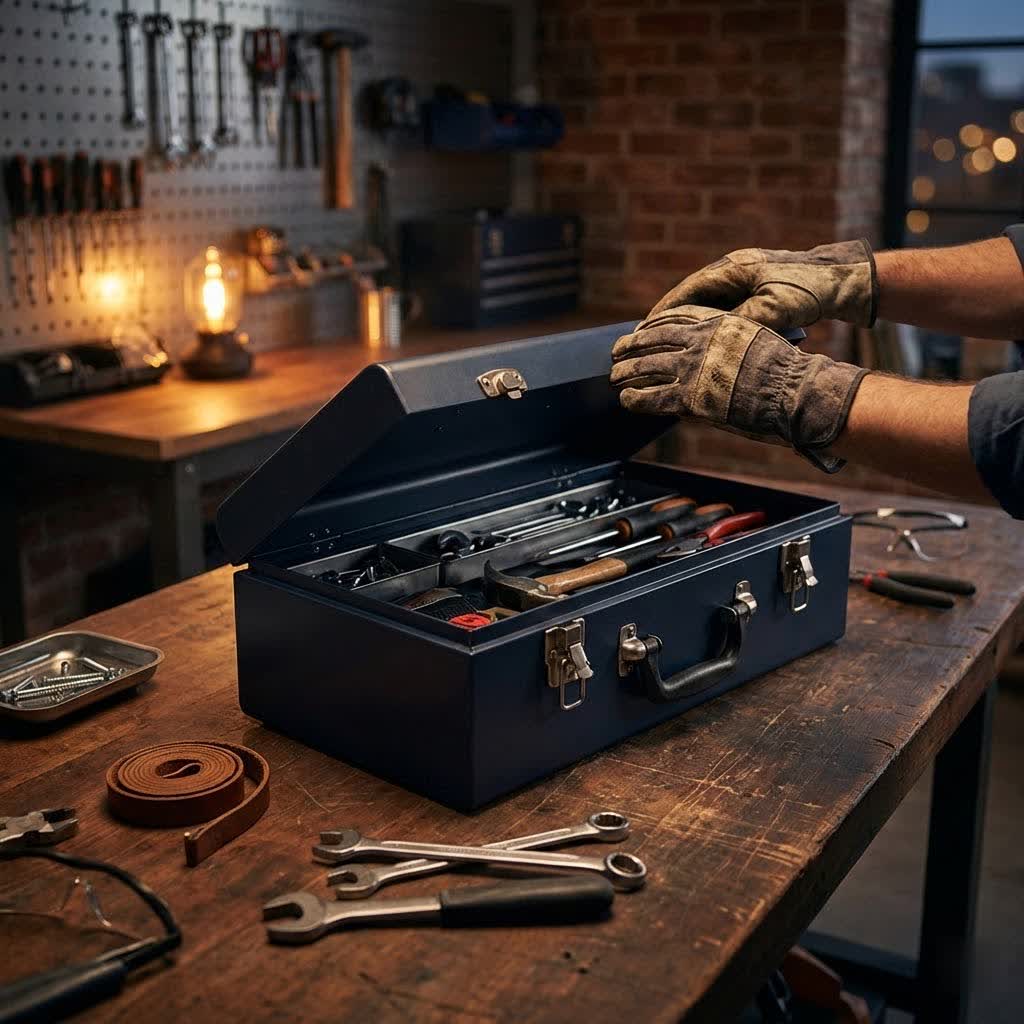
Exploring the Popular Types of Metal Tool Boxes
Metal tool boxes come in various forms, each designed to meet specific needs and work environments. Understanding their unique characteristics is crucial for making an informed decision.
Steel Tool Boxes
Steel tool boxes are the workhorses of tool storage, renowned for their incredible strength and impact resistance. Made from robust steel, these boxes are built to endure heavy loads and harsh conditions, making them a favorite among mechanics and construction workers. Their sturdy construction ensures your tools are protected from accidental drops and impacts.
- Pros: Extremely durable, high load capacity, impact-resistant, often more budget-friendly than other metals.
- Cons: Heavier than aluminum, susceptible to rust if not properly coated or maintained.
- Applications: Ideal for workshops, garages, and job sites where tools face significant wear and tear.
|
Our Picks for the Best Tool Box in 2026
We may earn a commission when you use one of our links to make a purchase.
|
||
| Num | Product | Action |
|---|---|---|
| 1 | Heavy Duty Tool Bag 15-Inch, 16-Pocket Portable Empty Tool Box Organizer, Big Storage Toolbox Organization, Soft Handle Large Zipper Carrying Toolbag, Valentines Day Gifts for Him Dad Men, Green |

|
| 2 | DEWALT 192 Pcs. Mechanics Tool Set, 1/2, 1/4, 3/8 Socket Set, SAE and Metric Socket Wrench Set, Hard Shell Tool Box (DWMT75049) |
|
| 3 | DEWALT TSTAK Tool Box, Extra Large Design, Removable Tray for Easy Access to Tools, Water and Debris Resistant (DWST17806) |
|
| 4 | VEVOR Mechanics Tool Set, 308-Piece Mechanic Tool Kit, 1/4 in, 3/8 in, and 1/2 in Drive, SAE and Metric Socket Set, Wrenches, Screwdriver Bits, Accessories, and Storage Case, for Automotive Repair |
|
| 5 | CRAFTSMAN Tool Box, Lockable, 16 in., Red/Black (CMST16901) |
|
| 6 | beyond by BLACK+DECKER BLACK+DECKER BDST60500APB Stackable Storage System - 3 Piece Set (Small, Deep Toolbox, and Rolling Tote) |
|
| 7 | Keter Stack N’ Roll 3-Piece Rolling Tool Box System – Stackable Modular Tool Organizer with Wheels, Clear Lid Small Parts Storage & Locking Latches for Garage, Workshop & DIY |
|
| 8 | DEWALT TSTAK Tool Box, Deep, Long Handle, Extra Large Design, Fixed Divider for Tool Organization, Water and Debris Resistant (DWST17814) |
|
| 9 | Tidy Tool Organizer for 20V Brushless Drill and Packout Compact Tool Box |
|
| 10 | CRAFTSMAN Tool Box, Tool Storage, Lockable, Black, 16 Inch (CMST16005) |
|
Aluminum Tool Boxes
Lighter than steel, aluminum tool boxes offer an excellent strength-to-weight ratio, making them a popular choice for portability. Aluminum is naturally resistant to rust and corrosion, which is a major advantage in damp or outdoor environments. While generally strong, they might be more prone to denting under extreme, sharp impacts compared to heavy-gauge steel.
- Pros: Lightweight, excellent rust and corrosion resistance, good for portable applications.
- Cons: Generally more expensive than steel, can dent more easily than heavy-gauge steel.
- Applications: Perfect for truck beds, marine use, mobile technicians, and situations requiring frequent transport.
Stainless Steel Tool Boxes
For the ultimate in durability and corrosion resistance, stainless steel tool boxes are the premium choice. Combining the strength of steel with exceptional resistance to rust, oxidation, and chemicals, stainless steel boxes are built to last a lifetime. Their sleek, professional appearance also adds a touch of sophistication to any workspace.
- Pros: Superior corrosion resistance, highly durable, easy to clean, premium aesthetic.
- Cons: The most expensive option, can be heavy.
- Applications: High-end workshops, marine environments, food service, sterile environments, or any application where hygiene and maximum protection are paramount.
Other Configurations
Beyond material, metal tool boxes also vary in their configuration:
- Cantilever Tool Boxes: These classic designs feature multiple trays that fan out when opened, providing easy access and excellent organization for smaller items and hand tools.
- Portable Hand-Carry Boxes: Simple, robust boxes with a single compartment or a lift-out tray, designed for easy transport of essential tools.
- Rolling Tool Chests & Cabinets: Larger, multi-drawer units equipped with wheels, ideal for stationary workshop storage that still allows for some mobility within a space.
Comparison Table: Metal Tool Box Materials
To help you visualize the differences, here’s a detailed comparison of the primary metal tool box materials:
| Feature | Steel Tool Box | Aluminum Tool Box | Stainless Steel Tool Box |
|---|---|---|---|
| Durability | High, excellent impact resistance | High, good strength-to-weight ratio | Very High, superior overall resilience |
| Weight | Heavy | Lightweight | Medium to Heavy |
| Rust Resistance | Low (unless coated/painted) | Excellent | Superior |
| Cost | Moderate | High | Premium |
| Typical Use | Heavy-duty workshops, construction | Mobile, truck beds, marine | High-end workshops, harsh environments |
| Maintenance | Requires rust prevention | Low | Low |
Reputable Metal Tool Box Brands You Can Trust
When investing in a metal tool box, choosing a brand known for quality and reliability is key. Here are some of the most respected names in the industry:
- DeWalt: Renowned for their rugged, jobsite-ready toolboxes that can withstand the toughest conditions. DeWalt often integrates innovative features like TSTAK stacking systems and IP-rated dust and water resistance.
- Stanley: A classic name in tools and storage, Stanley offers a vast range of metal tool boxes, from traditional designs to modern rolling chests, known for their solid construction and value.
- Craftsman: With a long history of quality, Craftsman tool boxes are a favorite among DIYers and professionals alike. They are known for durable construction, smooth-gliding drawers, and a good balance of features and affordability.
- Milwaukee: While famous for power tools, Milwaukee has also made a significant impact in tool storage with their PACKOUT system, offering modular, heavy-duty metal options that integrate seamlessly with their other products.
- Husky: Exclusively available at Home Depot, Husky offers a robust line of metal tool chests and cabinets that provide excellent value and features for both home and professional use.
- Kobalt: Lowe’s exclusive brand, Kobalt provides sturdy metal tool boxes with good organizational features, often praised for their competitive pricing and durable build quality.
- Snap-on/Mac Tools: These are premium, professional-grade brands primarily used by automotive technicians. While expensive, they offer unmatched quality, precision engineering, and often a lifetime warranty, making them a significant investment.
These brands represent a spectrum of options, from excellent value for the home user to top-tier equipment for demanding professionals.
Top 5 Metal Tool Boxes That Stand Out
While specific models constantly evolve, certain types and features of metal tool boxes consistently rank as user favorites due to their practicality, durability, and organizational prowess.
- The Heavy-Duty Rolling Tool Chest: Essential for any serious workshop, these multi-drawer units on heavy-duty casters offer immense storage capacity and easy mobility. Look for full-extension, ball-bearing drawer slides and a robust locking mechanism. They are perfect for organizing a vast array of tools, from sockets to power tools, making them a cornerstone of efficient work.
- The Classic Cantilever Metal Box: This timeless design, often made of steel, features multiple tiered trays that spread open for full visibility and access to small parts, fasteners, and hand tools. It’s excellent for keeping frequently used items organized without rummaging, making it a favorite for general home repairs and hobbyists.
- The Jobsite Portable Steel Tool Box: Designed for professionals who move their tools between locations, these boxes prioritize extreme durability and security. Features often include heavy-gauge steel, reinforced corners, weather sealing, and robust latches. Some even offer integrated organizational bins and padlock eyes for enhanced security.
- The Truck Bed Tool Box (Aluminum): For those who need to transport tools safely in a vehicle, aluminum truck bed boxes are indispensable. Mounted in the bed, they offer secure, weather-resistant storage that’s lightweight enough not to heavily impact fuel efficiency. Cross-bed or side-mount designs provide versatile options for different truck configurations.
- The Professional Mechanics Cart: Often featuring an open top compartment with a lid, multiple drawers below, and large wheels, these highly mobile carts are perfect for moving a selection of tools directly to the work area. They are built with heavy-duty steel and smooth drawer slides, making tasks like automotive repair much more efficient.
These top choices represent the versatility and specialized functionality available, ensuring there’s a metal tool box tailored to every specific need.
Your Comprehensive Guide to Choosing the Right Metal Tool Box
Selecting the perfect metal tool box requires careful consideration of several factors. By weighing these elements, you can ensure your investment truly meets your needs.
1. Assess Your Tool Collection and Storage Needs
Start by taking inventory of your tools. Do you have mostly small hand tools, or a mix of heavy power tools and larger equipment?
- Size and Capacity: Choose a box large enough to comfortably hold your current tools, with some room for future additions. Consider the number of compartments, drawers, and their depths.
- Portability: If you frequently move tools, opt for lightweight aluminum, sturdy handles, or a rolling unit. For stationary storage, a heavy steel chest might be more appropriate.
2. Consider the Material
As discussed, each metal offers distinct advantages:
- Steel: Best for sheer strength, impact resistance, and value. Ideal for static workshop use or very heavy-duty transport where weight isn’t a primary concern. Ensure it has a good powder coating to resist rust.
- Aluminum: Superior for portability and rust resistance. Excellent for outdoor use, truck beds, or when weight savings are crucial.
- Stainless Steel: The premium choice for maximum durability, corrosion resistance, and hygiene. Justifies its higher cost for demanding, long-term applications.
3. Evaluate Durability and Construction Quality
A metal tool box is an investment, so quality matters.
- Gauge of Metal: Thicker gauge steel or aluminum indicates greater strength and dent resistance. Look for specifications if available.
- Welding and Riveting: Check the quality of welds and rivets. Strong, continuous welds are a sign of good craftsmanship.
- Hardware: Examine latches, hinges, and drawer slides.
- Latches: Should be robust, secure, and easy to operate. Metal latches are generally more durable than plastic.
- Hinges: Piano hinges (full-length) offer superior strength and longevity for lids.
- Drawer Slides: Ball-bearing slides are a must for smooth operation and heavy loads in rolling chests. Ensure they extend fully.
- Reinforcement: Look for reinforced corners and edges, especially on portable boxes, to withstand bumps and drops.
4. Prioritize Security Features
Protecting your valuable tools is paramount.
- Lockable Latches: Many portable boxes have padlock eyes.
- Integrated Locks: Rolling chests often come with key-locking systems that secure all drawers simultaneously.
- Construction: A robust metal box itself acts as a deterrent against theft.
5. Consider Organizational Features
Efficient organization saves time and reduces frustration.
- Drawers and Trays: Assess the number, size, and depth of drawers and whether they are configurable with dividers. Lift-out trays are excellent for small parts in portable boxes.
- Modular Systems: Some brands offer interlocking systems (e.g., DeWalt TSTAK, Milwaukee PACKOUT) that allow you to customize and expand your storage as needed.
6. Set Your Budget
Metal tool boxes range widely in price. While it’s tempting to opt for the cheapest option, remember that a higher-quality box will likely last longer and offer better protection. Balance your budget with the features and durability you genuinely need.
Expert Advice
“Don’t just buy a tool box for today’s tools. Think about your future projects and potential tool acquisitions. Investing in a slightly larger, more versatile metal box now will save you from upgrading sooner than you expect.”
By carefully considering these factors, you can confidently select a metal tool box that will serve as a reliable partner in your work for years to come.
Smart Tips for Organizing and Maintaining Your Metal Tool Box
A well-organized and maintained metal tool box not only looks professional but also enhances efficiency and prolongs the life of your tools and the box itself.
Strategies for Optimal Organization
- Categorize Your Tools: Group similar tools together. All wrenches in one drawer, screwdrivers in another, pliers in a third. This makes finding what you need quick and intuitive.
- Utilize Drawer Dividers and Inserts: Many tool chests allow for customizable drawer layouts. Use dividers, foam inserts, or even custom-cut foam to create dedicated slots for each tool, preventing them from shifting and clanging together.
- Shadow Boarding: For frequently used tools, consider creating a “shadow board” effect with foam inserts. Trace the outline of each tool so you immediately know if something is missing.
- Vertical Storage: For larger drawers, upright dividers can help store items like chisels or files more efficiently.
- Magnetic Strips: Mount magnetic strips inside the lid or on drawer walls for small metal items like drill bits, hex keys, or small screwdrivers.
- Label Everything: Clearly label drawers or compartments. This is especially helpful in larger rolling chests or for specialized tools.
- Keep it Clean: Regularly remove debris, sawdust, and metal shavings from your tool box. A clean environment prevents tools from getting dirty and can reduce rust risks.
Essential Maintenance for Longevity
- Regular Cleaning: Wipe down the interior and exterior of your metal tool box periodically with a damp cloth to remove dust, grease, and grime. For tough spots, a mild degreaser can be used, followed by drying thoroughly.
- Lubricate Moving Parts: Apply a light lubricant (like silicone spray or dry lubricant) to drawer slides, hinges, and latches every few months. This ensures smooth operation and prevents wear.
- Rust Prevention (for Steel Boxes):
- Always ensure tools are dry before putting them away.
- Avoid storing your steel tool box in excessively humid environments.
- Consider using rust-inhibiting drawer liners or moisture-absorbing desiccant packets inside your box.
- For unpainted steel surfaces, a light coat of rust-preventative oil can be applied periodically.
- Check Latches and Locks: Ensure they are functioning correctly and lubricate if they become stiff. A faulty latch can lead to tools spilling out or inadequate security.
- Inspect Wheels/Casters: For rolling tool chests, regularly check the casters for debris, wear, and proper function. Lubricate as needed and tighten any loose bolts.
- Avoid Overloading: While metal tool boxes are robust, exceeding their weight capacity can stress drawer slides, hinges, and the overall frame, leading to premature wear or damage.
By adopting these organization and maintenance practices, your metal tool box will not only keep your tools in prime condition but also serve you reliably for many years.
Where to Buy Your Metal Tool Box: Options and Considerations
Finding the right place to purchase your metal tool box is as important as choosing the box itself. Different retailers offer various advantages in terms of selection, pricing, and customer service.
Large Retailers (Brick-and-Mortar & Online)
Major home improvement stores and general merchandise retailers are often the first stop for many buyers.
- Examples: Home Depot, Lowe’s, Tractor Supply Co., Walmart.
- Pros: Wide selection of popular brands (Husky, Kobalt, Craftsman, DeWalt, Milwaukee), competitive pricing, ability to physically inspect the product before buying, often have sales and promotions.
- Cons: Stock can vary by location, staff expertise might be limited for highly specialized questions.
- Considerations: These stores are great for hands-on inspection, comparing sizes, and assessing build quality. Their online stores usually offer an even broader selection.
Online Marketplaces
For convenience and sheer variety, online marketplaces are hard to beat.
- Examples: Amazon, eBay, Walmart.com.
- Pros: Vast selection of brands and models (including specialized or niche products), often the best prices, extensive user reviews and ratings to guide your decision, convenient doorstep delivery.
- Cons: You cannot physically inspect the product, returns can be cumbersome for large items, potential for shipping damage.
- Considerations: Always read product descriptions and user reviews carefully. Verify dimensions and weight to ensure it meets your needs and can be handled upon delivery. Check the seller’s return policy.
Specialty Tool Stores & Industrial Suppliers
For professional-grade or highly specific metal tool boxes, these suppliers are often the best choice.
- Examples: Grainger, McMaster-Carr, Fastenal, dedicated tool distributor websites (e.g., directly from Snap-on, Mac Tools, Kennedy Manufacturing).
- Pros: Top-tier quality, highly durable and specialized options, expert staff knowledge, often cater to specific industry needs (e.g., automotive, industrial).
- Cons: Higher price points, selection might be more focused on professional users, less accessible for casual buyers.
- Considerations: If you need a heavy-duty, long-lasting solution for professional use, these stores offer unparalleled quality and often superior warranties.
Second-Hand Markets
For budget-conscious buyers, second-hand options can offer great value.
- Examples: Pawn shops, garage sales, online classifieds (e.g., Craigslist, Facebook Marketplace).
- Pros: Significantly lower prices, potential to find vintage or high-quality brands at a bargain.
- Cons: Condition can vary greatly, no warranty, potential for damage or missing parts, limited selection.
- Considerations: Always inspect the tool box thoroughly for rust, dents, broken latches, and smooth-gliding drawers before purchasing.
No matter where you choose to buy, remember to compare prices, read reviews, and understand the product specifications to ensure you get the best metal tool box for your investment.
Conclusion
Investing in a high-quality metal tool box is a decision that pays dividends in organization, tool protection, and overall efficiency. From the rugged reliability of steel to the lightweight, rust-resistant properties of aluminum and the premium durability of stainless steel, there’s a perfect metal storage solution for every need. By understanding the different types, recognizing reputable brands, and applying the essential buying and maintenance tips outlined in this guide, you are well-equipped to make an informed choice. Your tools are an extension of your craft; give them the home they deserve – a robust, secure, and impeccably organized metal tool box.
Now that you’ve explored the world of metal tool boxes, what’s the one feature you can’t live without in your ideal tool storage solution?
Frequently Asked Questions
What is the main advantage of a metal tool box over plastic?
Metal tool boxes offer superior durability, impact resistance, and security compared to plastic counterparts. They are significantly more robust, capable of handling heavier loads, and provide enhanced protection against theft or damage, making them ideal for professional and heavy-duty use.
Are aluminum tool boxes really better than steel?
Neither is inherently “better”; it depends on your specific needs. Aluminum tool boxes are lighter and highly rust-resistant, making them excellent for portability and use in damp or outdoor conditions. Steel tool boxes, especially heavy-gauge ones, typically offer greater impact strength and are often more affordable for stationary, heavy-duty workshop applications.
How can I prevent rust on my steel tool box?
To prevent rust on a steel tool box, ensure it’s kept dry and avoid storing it in humid environments. Periodically wipe it down with a rust-inhibiting oil, use moisture-absorbing packets (desiccants) inside, and consider rust-preventative drawer liners. Always ensure tools are clean and dry before storage.
What features should I look for in a professional metal tool box?
Professional metal tool boxes should feature heavy-gauge steel or aluminum construction, full-extension ball-bearing drawer slides, sturdy metal latches, an integrated locking system for security, reinforced corners, and robust handles or heavy-duty casters for smooth mobility.
Can I get replacement parts for my metal tool box?
For reputable brands, replacement parts like drawer slides, casters, and latches are often available directly from the manufacturer or through authorized dealers. It’s always advisable to check a brand’s warranty and replacement part availability before making a purchase, especially for higher-end models.
Is it worth investing in a high-end metal tool box?
For professionals or serious DIYers who rely on their tools daily, a high-end metal tool box is generally a worthwhile investment. Its superior durability, enhanced security, efficient organization features, and potential for a longer lifespan can save time, protect valuable tools, and ultimately prove more cost-effective over many years of use.