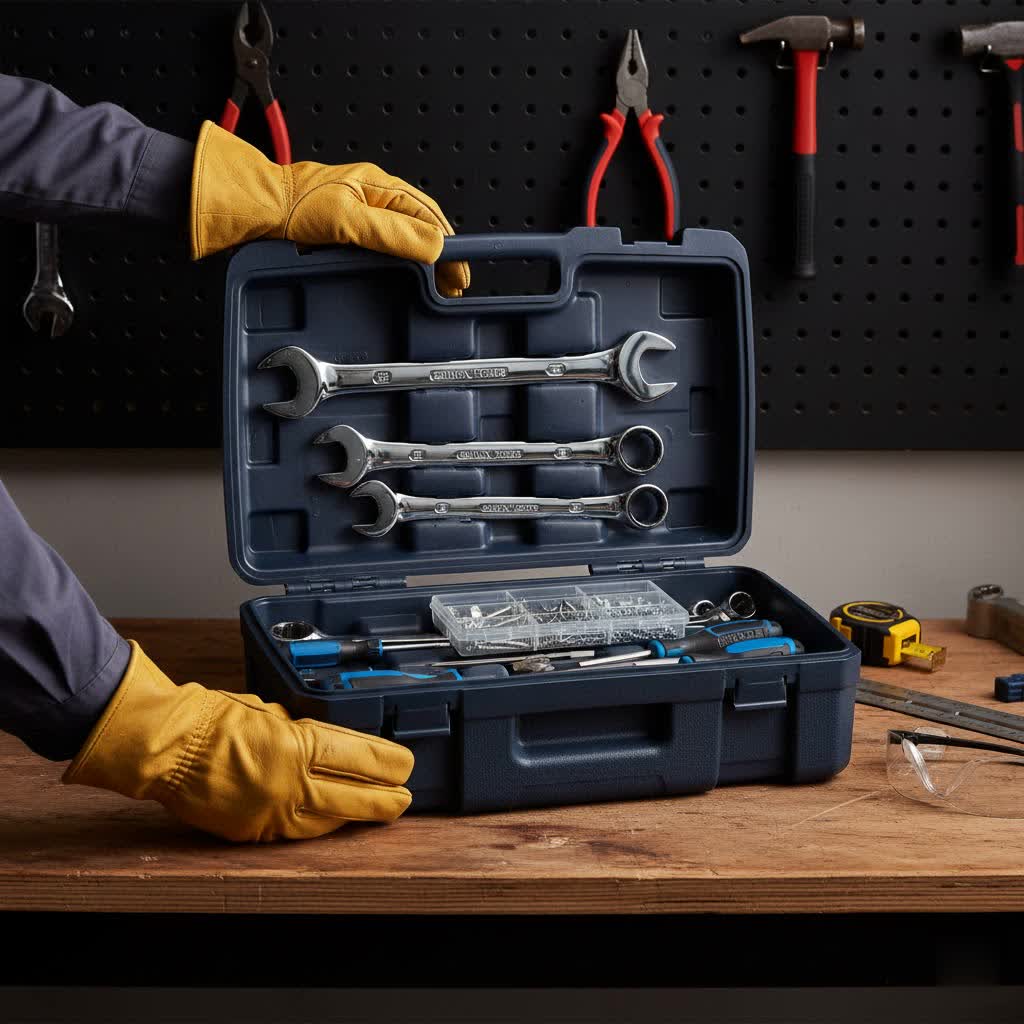
As a technician with over a decade of experience, I’ve seen countless tools and their trusty companions: tool boxes. While metal and wood have their charms, the humble Plastic Tool Box has evolved significantly, offering a versatile, lightweight, and often surprisingly durable solution for pros and DIY enthusiasts alike. Whether you’re a seasoned carpenter, a weekend warrior tackling home repairs, or simply looking to organize your craft supplies, understanding the nuances of plastic tool boxes is key to finding the perfect fit. We’ll dive into the various types, explore their advantages and disadvantages, compare them with other materials, and guide you through selecting the ideal plastic tool box for your needs.
Types of Plastic Tool Boxes
Plastic tool boxes come in a surprising array of designs, each catering to different storage and portability requirements. Understanding these categories will help you narrow down your choices.
Portable Hand-Carry Boxes
|
Our Picks for the Best Tool Box in 2026
We may earn a commission when you use one of our links to make a purchase.
|
||
| Num | Product | Action |
|---|---|---|
| 1 | DEWALT 192 Pcs. Mechanics Tool Set, 1/2, 1/4, 3/8 Socket Set, SAE and Metric Socket Wrench Set, Hard Shell Tool Box (DWMT75049) |

|
| 2 | beyond by BLACK+DECKER BLACK+DECKER BDST60500APB Stackable Storage System - 3 Piece Set (Small, Deep Toolbox, and Rolling Tote) |
|
| 3 | Keter Stack N’ Roll 3-Piece Rolling Tool Box System – Stackable Modular Tool Organizer with Wheels, Clear Lid Small Parts Storage & Locking Latches for Garage, Workshop & DIY |
|
| 4 | VEVOR Mechanics Tool Set, 308-Piece Mechanic Tool Kit, 1/4 in, 3/8 in, and 1/2 in Drive, SAE and Metric Socket Set, Wrenches, Screwdriver Bits, Accessories, and Storage Case, for Automotive Repair |
|
| 5 | Heavy Duty Tool Bag 15-Inch, 16-Pocket Portable Empty Tool Box Organizer, Big Storage Toolbox Organization, Soft Handle Large Zipper Carrying Toolbag, Valentines Day Gifts for Him Dad Men, Green |
|
| 6 | DEWALT TSTAK Tool Box, Extra Large Design, Removable Tray for Easy Access to Tools, Water and Debris Resistant (DWST17806) |
|
| 7 | CRAFTSMAN Tool Box, Lockable, 16 in., Red/Black (CMST16901) |
|
| 8 | CRAFTSMAN Tool Box, Tool Storage, Lockable, Black, 16 Inch (CMST16005) |
|
| 9 | Tidy Tool Organizer for 20V Brushless Drill and Packout Compact Tool Box |
|
| 10 | DEWALT TSTAK Tool Box, Deep, Long Handle, Extra Large Design, Fixed Divider for Tool Organization, Water and Debris Resistant (DWST17814) |
|
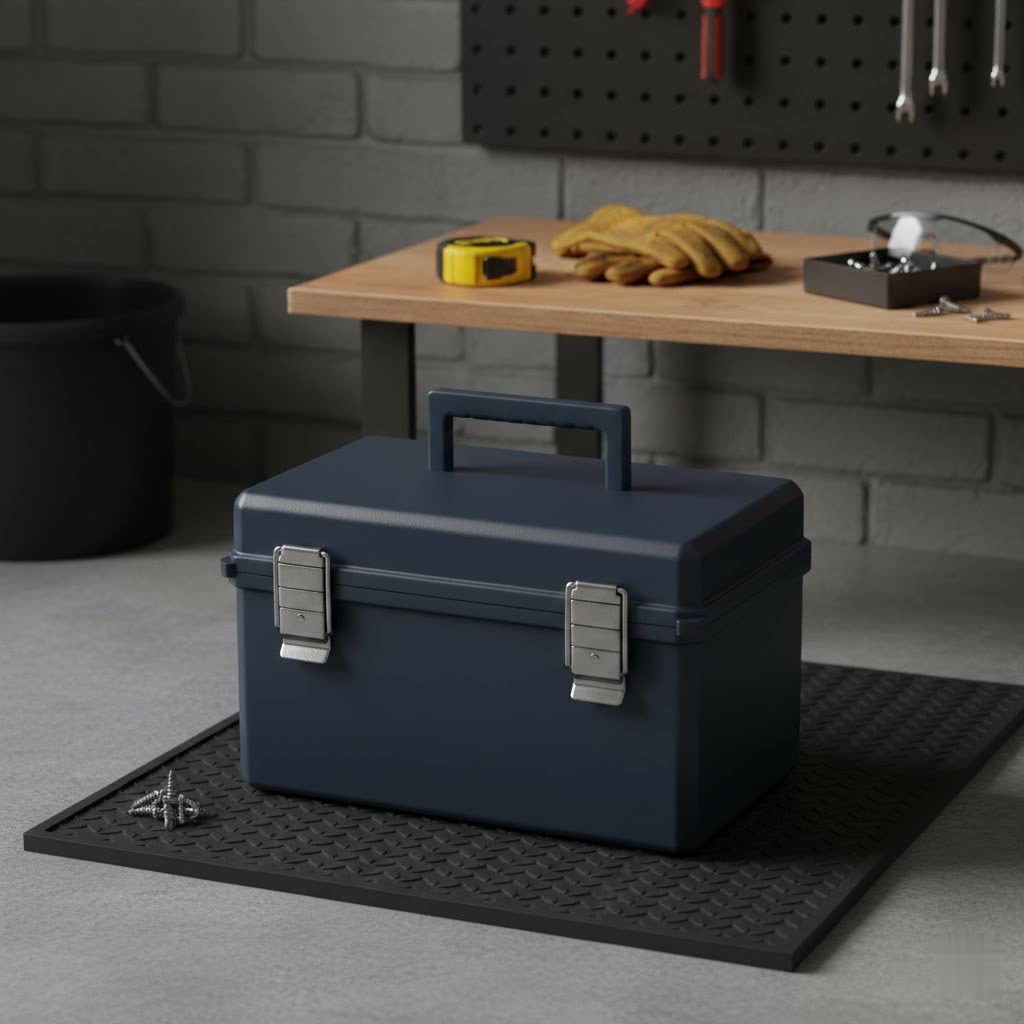
These are the most common and recognizable type of plastic tool box, characterized by a single lid and a top carrying handle. They are typically lightweight and designed for easy transport of essential hand tools like screwdrivers, pliers, and wrenches. Many feature a removable tray inside, providing a secondary layer for smaller items like fasteners, drill bits, or measuring tapes, keeping them accessible without digging through the main compartment. Their simplicity and affordability make them a popular choice for homeowners and those needing a basic, grab-and-go solution.
Rolling and Wheeled Tool Boxes
When your tool collection grows, or you need to transport heavier power tools across a job site, wheeled plastic tool boxes become indispensable. These often larger units come equipped with sturdy wheels and an extendable handle, transforming heavy loads into easily maneuverable packages. Many rolling tool boxes are constructed from durable composite plastics, offering enhanced impact resistance and often better weather sealing than standard hand-carry versions. They are ideal for professionals who frequently move between different work areas or for storing bulkier equipment.
Modular Storage Systems
For those who demand ultimate flexibility and organization, modular plastic tool box systems are a game-changer. Brands like DEWALT TSTAK, Craftsman Versastack, and Milwaukee Packout (often featuring durable plastic and composite builds) offer interlocking components that can be stacked, latched together, and reconfigured to create a customized storage solution. These systems often include various box sizes, drawer units, organizers, and wheeled bases, allowing you to build a personalized mobile workshop that expands or contracts with your project needs. They provide exceptional organization and professional-grade durability.
Small Parts Organizers
Sometimes, you don’t need to carry large tools, but rather a multitude of tiny components like screws, nails, washers, electrical connectors, or craft beads. Small parts organizers, typically made from clear or translucent plastic, feature numerous small compartments, often with adjustable dividers. These are invaluable for keeping small items sorted and easily visible, preventing frustrating searches and ensuring you always have the right fastener at hand. They can be standalone units or integrated into larger tool boxes.
Specialty Plastic Tool Boxes
Beyond the general categories, you’ll find plastic tool boxes designed for specific applications. This includes, for instance, plastic truck tool boxes (though metal is often preferred for superior security and durability in this context), or specialized craft and art supply organizers. These boxes are tailored with unique dimensions, internal layouts, or features to suit their intended niche.
Each type of plastic tool box offers distinct advantages, but they all share the core benefits of being lighter and generally more affordable than their metal counterparts.
General Pros and Cons of Plastic Tool Boxes
Plastic tool boxes offer a compelling blend of benefits and a few considerations:
Pros:
- Lightweight: One of the most significant advantages, making them easy to carry, lift, and transport without adding unnecessary bulk to your tools.
- Affordable: Generally more budget-friendly than metal or composite options, making them accessible for all users.
- Rust-Proof: Plastic is impervious to rust and corrosion, a major benefit in humid environments or when working with liquids.
- Versatile Organization: Many come with removable trays, dividers, and compartments for excellent internal organization.
- Visibility: Clear plastic options allow for quick identification of contents.
- Easy to Clean: Smooth plastic surfaces are simple to wipe down and maintain.
Cons:
- Durability Concerns: While many modern plastic tool boxes are robust, cheaper plastics can crack, dent, or deform under heavy loads, impacts, or extreme temperatures. They may become brittle in cold or warp under prolonged heat and UV exposure.
- Security: Plastic is generally less secure than metal, making it easier to force open, which can be a concern for valuable tools.
- Weight Capacity: Typically have lower weight limits compared to their metal counterparts.
- Longevity: May not withstand years of heavy professional abuse as well as high-quality metal boxes.
Plastic vs. Other Materials: A Quick Comparison
The choice of tool box material significantly impacts its performance and longevity. Let’s compare plastic with its common alternatives: metal and composite.
Plastic vs. Metal
Metal tool boxes (steel or aluminum) have long been the traditional choice, particularly for professionals.
- Durability: Metal, especially steel, generally offers superior impact resistance and structural integrity. It can withstand heavier loads and rougher treatment without cracking or deforming. However, metal can dent and, if not treated (like powder-coated steel), can rust.
- Weight: Plastic is significantly lighter than metal. This makes plastic tool boxes easier to carry, reducing strain during transport.
- Security: Metal tool boxes typically offer better security due to their tougher construction and more robust locking mechanisms, making them harder to break into.
- Cost: Plastic tool boxes are almost always more affordable upfront than comparable metal options.
- Rust Resistance: Plastic is inherently rust-proof, while metal can rust if its protective coating is compromised. Aluminum is naturally rust-resistant but often more expensive than steel.
For heavy-duty professional use where security and maximum durability are paramount, metal often reigns supreme. However, for everyday use, portability, and budget-friendliness, plastic offers a compelling alternative.
Plastic vs. Composite
Composite tool boxes represent a hybrid approach, often using a blend of high-grade plastics and other materials to enhance durability.
- Enhanced Durability: Composite materials, frequently seen in professional-grade modular systems, significantly improve impact resistance, structural rigidity, and often offer better weather sealing (e.g., IP-rated protection against dust and water) compared to basic plastic. They bridge the gap between pure plastic and metal in terms of toughness.
- Weight: While more robust than simple plastic, composite tool boxes generally remain lighter than all-metal options, retaining the benefit of easier portability.
- Cost: Composite boxes are typically more expensive than basic plastic but often less costly than premium metal tool chests.
- Performance: They often excel in resisting drops, heavy loads, and environmental factors like moisture, making them suitable for demanding job sites where a balance of durability and portability is needed.
In essence, if you need something more rugged than standard plastic but still value a lighter weight and rust resistance, a heavy-duty plastic or composite tool box is an excellent compromise.
Key Factors When Choosing a Plastic Tool Box
Selecting the right plastic tool box requires a thoughtful assessment of your needs and the features available. Here are the crucial factors to consider:
Material Quality and Durability
Not all plastics are created equal. Look for tool boxes made from heavy-duty polypropylene (PP), which offers good impact resistance and flexibility. For even greater durability and protection against drops and harsh conditions, consider composite materials. These often combine plastic resins with other reinforcing agents to create a stronger, more resilient shell. A tool box designed for professional use will likely feature thicker walls and higher-grade plastic than a basic home-use model.
Size and Capacity
Consider the tools you currently own and any you plan to acquire.
- Small tool boxes are perfect for basic hand tools, crafts, or a compact emergency kit.
- Medium-sized boxes can accommodate a broader range of hand tools, small power tools, and accessories.
- Large and rolling tool boxes are best for extensive tool collections, multiple power tools, and for professionals who need to transport a significant amount of equipment.
Always check the manufacturer’s stated load capacity to ensure it can handle the weight of your tools.
Organization and Compartments
An organized tool box saves time and frustration.
- Removable Trays: Excellent for keeping smaller items (fasteners, bits) separate from larger tools in the main compartment.
- Dividers and Small Compartments: Ideal for sorting small parts, preventing them from mixing together. Some systems offer adjustable dividers for custom configurations.
- Drawers: Modular systems often include pull-out drawers on ball-bearing slides, providing easy access to specific tool categories without disturbing others.
- Lid Organizers: Some tool boxes feature small compartments built into the lid, perfect for frequently used small items.
Portability and Mobility
How often will you move your tool box, and over what terrain?
- Handles: Look for sturdy, comfortable handles that are securely attached. Some larger boxes may have side handles in addition to a top handle for easier two-person lifting.
- Wheels: If you transport many tools, wheels are a must. Consider the size and material of the wheels – larger, more robust wheels will perform better on uneven surfaces. An extendable handle is crucial for comfortable pulling.
Security Features
Protecting your valuable tools is important.
- Latches: Look for strong, heavy-duty metal or reinforced plastic latches that secure the lid firmly. Metal latches generally offer better durability.
- Padlock Eyes: Many plastic tool boxes include integrated loops or holes where you can attach a padlock for added security. While plastic can be breached, a padlock acts as a deterrent.
Weather Resistance
If you work outdoors or in damp environments, consider a tool box with an IP (Ingress Protection) rating. An IP rating indicates how well the enclosure protects against solids (like dust) and liquids (like water). An IP65 rating, for example, means the box is dust-tight and protected against water jets, making it suitable for many outdoor conditions.
Price and Value
Plastic tool boxes range widely in price. While budget options are available, investing a little more in a higher-quality plastic or composite box often pays dividends in durability, organization, and longevity. Consider the long-term value: a slightly more expensive, well-built box that lasts for years is a better investment than a cheap one you have to replace frequently.
Top Plastic Tool Box Brands and Models
The market offers many reputable brands known for their quality plastic tool boxes. Here are a few notable mentions that cater to different needs:
Husky
Husky offers a range of solid, budget-friendly plastic tool boxes, often found at large hardware retailers. Their 16-inch plastic toolbox is frequently cited as a great value option, providing ample capacity for basic hand tools and good build quality for its price point. Husky also produces modular “Build-Out” systems, offering stackable and interlocking solutions that balance affordability with functionality.
Craftsman
A legacy brand in tools, Craftsman provides reliable plastic tool boxes. Their Lockable Tool Box is a popular choice for its straightforward design, durability, and the ability to secure contents with a padlock. Craftsman’s Versastack Plastic Tool Box with Drawers is part of their modular system, providing convenient drawer access and compatibility with other Versastack components for a customizable setup.
DEWALT TSTAK
DEWALT’s TSTAK system is a professional favorite, renowned for its rugged construction and versatility. These modular units are made from robust composite plastic, designed to withstand tough job site conditions. The DEWALT DWST17820 Toolbox with Wheels offers excellent mobility and large storage, while the DWST08204 Toolbox provides a sturdy, IP-rated carrier for larger tools, both integrating seamlessly into the TSTAK ecosystem. The metal latches and durable design ensure tools are protected and easily transported.
Akro-Mils ProBox Plastic Toolbox
For those needing a compact, lightweight solution, the Akro-Mils ProBox Plastic Toolbox is often recommended. It’s ideal for smaller hand tools or specific project-based kits, providing good organization with a removable tray. Its small footprint and light weight make it exceptionally easy to carry, though it’s best suited for light-duty tasks rather than heavy professional use.
Other Modular Systems
Beyond the listed brands, many manufacturers offer advanced modular plastic tool box systems. Milwaukee Packout is a leader, known for extreme durability (often utilizing reinforced polymer), weather sealing, and a vast array of interlocking boxes, organizers, and rolling bases. Other systems like Flex Stack Pack and Ryobi Link also provide excellent stackable solutions, catering to varying preferences for features and price points. These systems empower users to build highly customized and efficient tool storage.
How to Maximize Your Plastic Tool Box
A tool box is only as good as its organization. Here are some tips to get the most out of your plastic companion:
Efficient Organization Tips
- Categorize Your Tools: Group similar tools together (e.g., all wrenches in one section, all screwdrivers in another). This reduces searching time.
- Utilize Trays and Dividers: Don’t just dump everything into the main compartment. Use removable trays for frequently accessed small items, and dividers to create dedicated slots for different fasteners or bits.
- Consider Foam Inserts: For delicate or specific tools, custom-cut foam inserts can hold them securely in place, preventing damage during transport.
- Label Everything: If you have multiple organizers or compartments, clear labels can quickly tell you what’s inside without opening each one.
- Vertical Storage: Stand long tools like screwdrivers or chisels upright where possible to save space and make them easier to grab.
- Empty and Reorganize Periodically: Tools tend to get messy over time. Take everything out once in a while, clean the box, and reorganize to maintain efficiency.
Maintenance and Care
Plastic tool boxes are generally low maintenance, but a few practices can extend their lifespan:
- Clean Regularly: Wipe down the interior and exterior with a damp cloth to remove dust, dirt, and grime. Avoid harsh chemicals that could degrade the plastic.
- Avoid Extreme Temperatures: While many are designed for a range of temperatures, prolonged exposure to direct sunlight or extreme cold can make some plastics brittle or cause warping. Store your tool box in a shaded area or indoors when not in use.
- Inspect Latches and Hinges: Periodically check latches and hinges for wear or damage. Replace them if necessary to maintain security and functionality.
- Don’t Overload: Adhere to the manufacturer’s load capacity. Overloading can stress the plastic, leading to cracks or hinge failure.
DIY Customizations
Plastic tool boxes are relatively easy to customize:
- Add Magnetic Strips: Attach magnetic strips to the inside of the lid or walls to hold small metal items like drill bits or Allen wrenches.
- Install Small Hooks: For items that can hang, small adhesive hooks can be useful inside the lid.
- Personalize with Paint or Decals: Express your style and make your tool box easily identifiable.
Where to Buy Plastic Tool Boxes
Plastic tool boxes are widely available, making it easy to find one that fits your budget and needs.
- Online Retailers: Websites like Amazon, Home Depot, Lowe’s, and specialty tool suppliers offer extensive selections. This allows for easy comparison of features, prices, and customer reviews. Be sure to check shipping costs and return policies.
- Hardware Stores and Home Improvement Centers: Stores like Home Depot, Lowe’s, and Ace Hardware have a good range of plastic tool boxes, from basic models to modular systems. Shopping in person allows you to physically assess size, weight, latch quality, and overall feel.
- Specialty Industrial Suppliers: For heavy-duty or industrial-grade plastic containers, suppliers like U.S. Plastic Corp. (as noted in research) might offer more specialized or robust options.
- Department Stores and Discount Retailers: For very basic or small craft-style plastic organizers, stores like Target or Walmart can be an option, particularly for lighter-duty applications.
When purchasing, compare prices across different vendors and read recent customer reviews to gauge product quality and potential issues.
Conclusion
The modern plastic tool box has come a long way, offering a smart, efficient, and often surprisingly robust solution for organizing and transporting your tools. From lightweight hand-carry boxes perfect for household chores to professional-grade modular systems designed for the rigors of a job site, there’s a plastic tool box for nearly every scenario. By considering factors like material quality, size, organization features, and portability, you can confidently select a tool box that not only protects your valuable equipment but also enhances your efficiency and enjoyment of your work.
So, are you ready to upgrade your tool organization and make your projects smoother than ever?
Frequently Asked Questions
Are plastic tool boxes durable?
Yes, many modern plastic tool boxes, especially those made from heavy-duty polypropylene or composite materials, are designed to be quite durable. While they may not match the sheer strength of steel for extreme abuse, they offer excellent resistance to impacts, water, and rust for most common uses. However, cheaper plastics can be more prone to cracking or warping under heavy loads or extreme temperatures.
Can plastic tool boxes be locked?
Most plastic tool boxes feature metal or reinforced plastic latches that can be secured with a padlock. While the plastic itself can be cut or broken with enough effort, the padlock provides a deterrent against casual theft and ensures the lid remains securely closed during transport.
What plastic is best for tool boxes?
Heavy-duty polypropylene (PP) is generally considered the best common plastic for tool boxes due to its good balance of rigidity, impact resistance, and durability. For even greater strength and weather protection, composite plastics (often found in professional modular systems) are excellent choices.
Are plastic tool boxes waterproof?
Not all plastic tool boxes are waterproof. While plastic itself is impervious to water, the design of the lid, latches, and seals determines its water resistance. Many higher-end plastic or composite tool boxes, especially those with an IP (Ingress Protection) rating (e.g., IP65), offer excellent protection against dust and water, making them suitable for outdoor or damp environments. Basic plastic tool boxes may only offer minimal splash protection.
How do I organize a plastic tool box?
To organize a plastic tool box effectively, start by categorizing your tools. Utilize removable trays for smaller items like fasteners and bits, and use built-in or adjustable dividers to separate different tool types. For delicate tools, consider custom foam inserts. Labeling compartments can also significantly improve efficiency, allowing you to quickly find what you need.