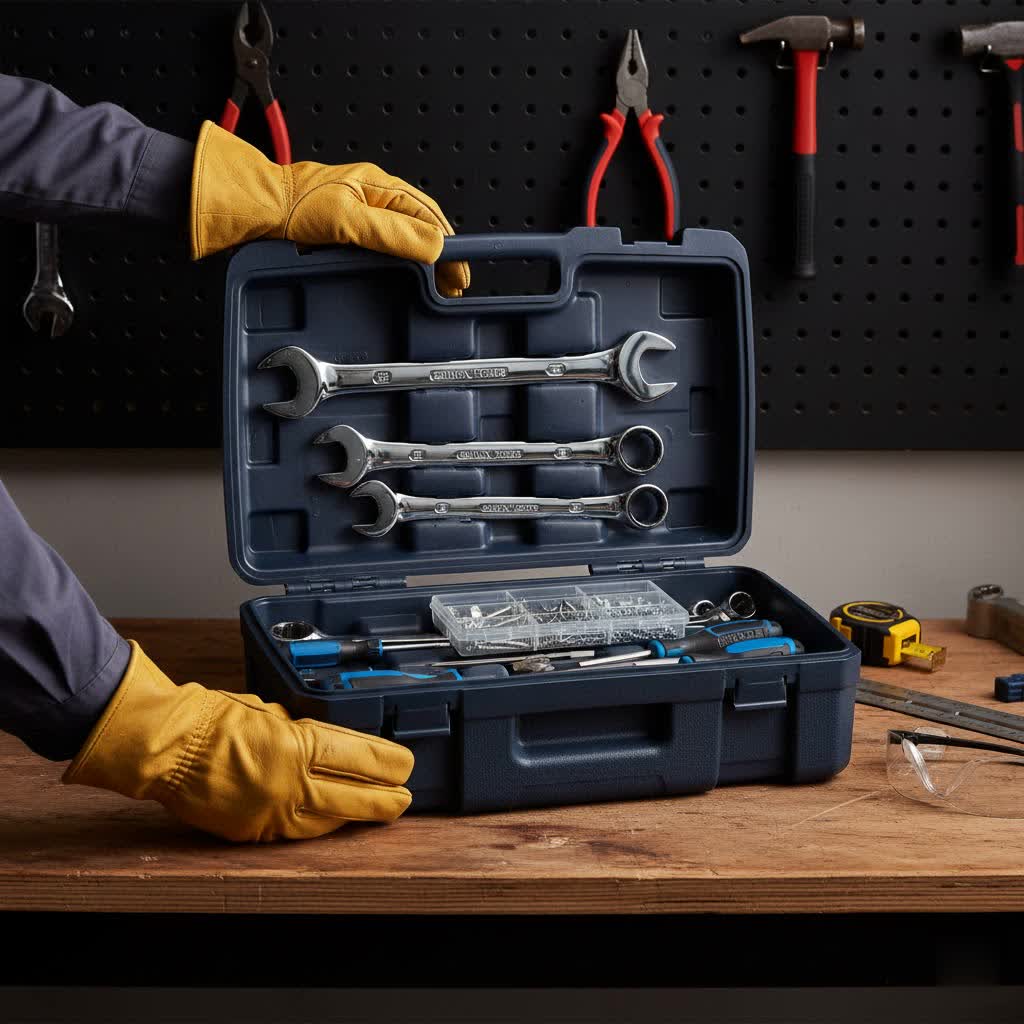
There’s a familiar frustration every technician, DIY enthusiast, or hobbyist knows: the frantic search for that one elusive wrench or screwdriver, buried under a mountain of other tools. It’s a time-waster, a project-killer, and frankly, completely avoidable. For anyone serious about their craft, a well-organized workspace isn’t a luxury; it’s a necessity. This is where the Top Chest Tool Box becomes your ultimate ally. More than just a simple container, a top chest tool box is a strategic investment in efficiency, safety, and the longevity of your valuable tools. It provides a dedicated home for every item, transforming chaos into a streamlined system that enhances your workflow. Let’s delve into everything you need to know about selecting, using, and maintaining the perfect top chest tool box for your needs.
Understanding the Top Chest Tool Box
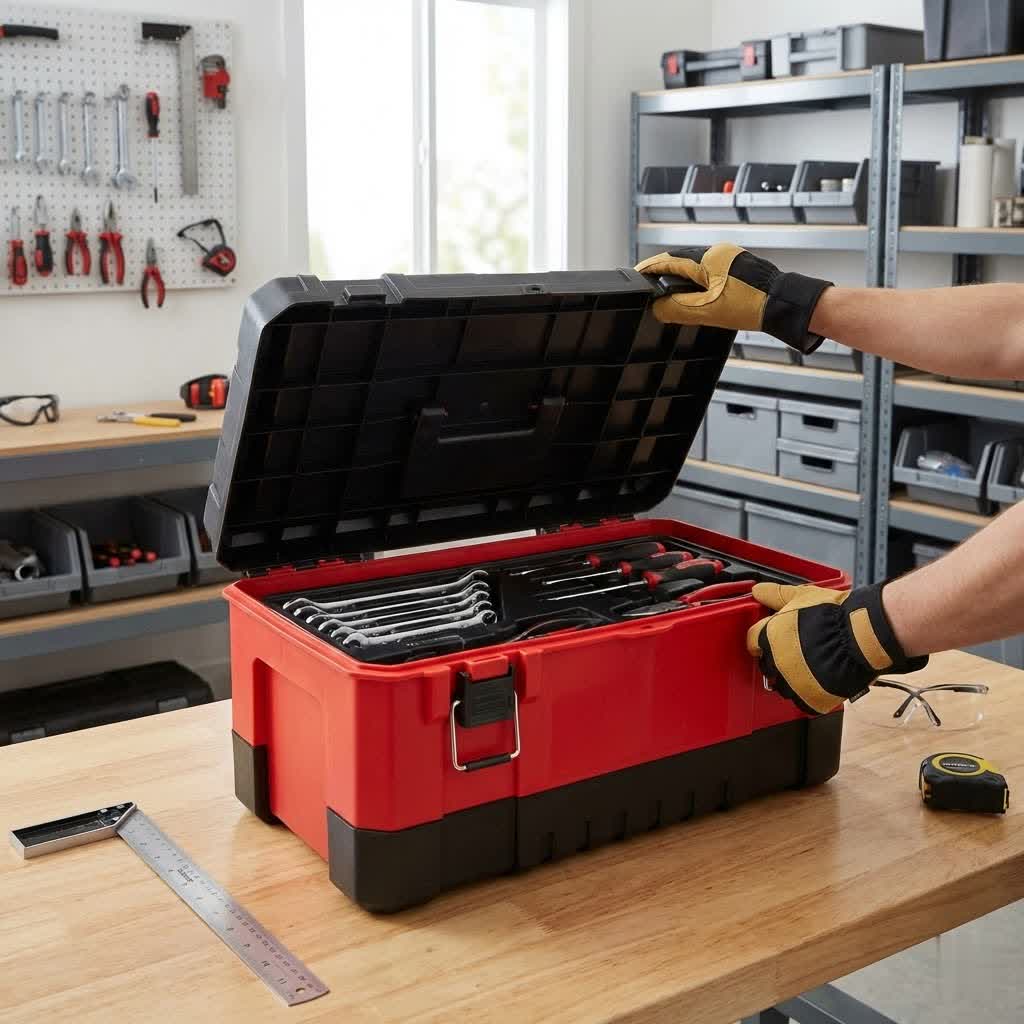
A top chest tool box, often referred to simply as a tool chest, is typically the upper section of a larger tool storage system, designed to sit atop a rolling cabinet or workbench. However, many models also function excellently as standalone units, especially for those with a more contained collection or limited space. Its primary role is to provide organized, accessible storage for a variety of tools, ranging from small fasteners and precision instruments to larger hand tools.
The importance of a top chest tool box cannot be overstated. It brings order to your workshop, saving precious time that would otherwise be spent rummaging through disorganized piles. Beyond mere storage, it protects your tools from dust, moisture, and potential damage, preserving their condition and extending their lifespan. For professionals, it means presenting a tidy, efficient image, while for home users, it ensures tools are always ready for the next project.
Types of Top Chest Tool Boxes
The world of top chest tool boxes offers a diverse range of options, each with distinct advantages and ideal applications. Understanding these types will help you narrow down the best fit for your specific requirements.
Material Matters: Steel vs. Plastic
- Steel Tool Chests: These are the workhorses of the tool storage world.
- Advantages: Exceptional durability, high weight capacity, superior security, and often a professional aesthetic. Heavy-gauge steel with a powder-coated finish provides excellent resistance to dents, scratches, and rust.
- Disadvantages: Heavier and less portable than plastic alternatives. Can be more expensive.
- Applications: Professional workshops, garages, industrial settings, or for anyone needing robust, long-lasting storage for heavy tools.
- Plastic Tool Chests: While less common for standalone top chests (more often seen in portable boxes or modular systems), some lighter-duty top sections may incorporate reinforced plastic.
- Advantages: Lightweight, portable, often more affordable, and resistant to rust.
- Disadvantages: Less durable than steel, lower weight capacity, and generally less secure.
- Applications: Light-duty DIY tasks, hobbyists, or for carrying a smaller, frequently used selection of tools.
|
Our Picks for the Best Tool Box in 2026
We may earn a commission when you use one of our links to make a purchase.
|
||
| Num | Product | Action |
|---|---|---|
| 1 | Tidy Tool Organizer for 20V Brushless Drill and Packout Compact Tool Box |

|
| 2 | CRAFTSMAN Tool Box, Tool Storage, Lockable, Black, 16 Inch (CMST16005) |
|
| 3 | VEVOR Mechanics Tool Set, 308-Piece Mechanic Tool Kit, 1/4 in, 3/8 in, and 1/2 in Drive, SAE and Metric Socket Set, Wrenches, Screwdriver Bits, Accessories, and Storage Case, for Automotive Repair |
|
| 4 | CRAFTSMAN Tool Box, Lockable, 16 in., Red/Black (CMST16901) |
|
| 5 | DEWALT TSTAK Tool Box, Deep, Long Handle, Extra Large Design, Fixed Divider for Tool Organization, Water and Debris Resistant (DWST17814) |
|
| 6 | Keter Stack N’ Roll 3-Piece Rolling Tool Box System – Stackable Modular Tool Organizer with Wheels, Clear Lid Small Parts Storage & Locking Latches for Garage, Workshop & DIY |
|
| 7 | Heavy Duty Tool Bag 15-Inch, 16-Pocket Portable Empty Tool Box Organizer, Big Storage Toolbox Organization, Soft Handle Large Zipper Carrying Toolbag, Valentines Day Gifts for Him Dad Men, Green |
|
| 8 | DEWALT 192 Pcs. Mechanics Tool Set, 1/2, 1/4, 3/8 Socket Set, SAE and Metric Socket Wrench Set, Hard Shell Tool Box (DWMT75049) |
|
| 9 | beyond by BLACK+DECKER BLACK+DECKER BDST60500APB Stackable Storage System - 3 Piece Set (Small, Deep Toolbox, and Rolling Tote) |
|
| 10 | DEWALT TSTAK Tool Box, Extra Large Design, Removable Tray for Easy Access to Tools, Water and Debris Resistant (DWST17806) |
|
Standalone vs. Stackable/Combo Units
- Standalone Top Chests: These units are self-contained and can be placed on a workbench, shelf, or even on the floor. They typically feature multiple drawers and a top lid compartment.
- Ideal for: Smaller tool collections, specific task-based tool sets, or when you need a portable solution that isn’t excessively bulky.
- Stackable/Combo Top Chests: Designed to integrate seamlessly with a matching rolling cabinet or mid-section, forming a complete tool storage system.
- Ideal for: Expanding tool collections, maximizing vertical storage in a limited footprint, and creating a cohesive, professional-looking workstation. Many feature interlocking mechanisms for secure stacking.
Key Features to Look for in a Top Chest Tool Box
Selecting the right top chest tool box involves more than just picking a size; it’s about evaluating the features that enhance functionality, durability, and security.
- Drawer Slides: This is a crucial feature for smooth operation.
- Ball-Bearing Slides: The gold standard, providing smooth, effortless opening and closing even when drawers are heavily loaded. Look for full-extension slides that allow complete access to the back of the drawer.
- Friction Slides: Found on more budget-friendly models, these can be stiff and prone to sticking, especially with weight.
- Locking Mechanisms: Security is paramount, especially for valuable tools.
- Internal Locking Systems: Many modern top chests feature a single key lock that secures all drawers simultaneously when the top lid is closed.
- Keyed Locks: Traditional locks on individual drawers or a central locking bar.
- Hasp for Padlock: An option for added security on some models.
- Drawer Liners: Often overlooked, but vital for protecting both your tools and the chest itself.
- Benefits: Prevents tools from sliding around, reduces rattling, protects drawer bottoms from scratches and oil spills, and can absorb some impact.
- Material: Foam or rubber liners are common and effective.
- Construction and Durability:
- Gauge of Steel: Thicker steel (lower gauge number) indicates a more robust and durable chest.
- Welded Seams: Stronger than spot-welded construction, offering greater structural integrity.
- Powder-Coated Finish: Provides a durable, chip-resistant surface that protects against rust and corrosion.
- Top Surface Utility: The lid of a top chest often serves as more than just a cover.
- Work Surface: Many have a flat, reinforced top that can be used as a temporary workspace for small tasks, or for placing frequently used items.
- Integrated Power Strips/USB Ports: A growing trend, allowing you to charge cordless tool batteries, phones, or other electronic devices directly from your chest, keeping cables tidy.
- Built-in Pegboard: Some models include a pegboard on the inside of the lid, offering quick access storage for hand tools.
- Drawer Configuration and Capacity:
- Varying Drawer Depths: A good chest will offer a mix of shallow drawers for small items (sockets, wrenches, screwdrivers) and deeper drawers for larger tools (hammers, power drills, specialty equipment).
- Weight Capacity: Check the individual drawer weight capacity, especially if you plan to store heavy items.
- Mobility (for Portable Top Chests):
- Sturdy Handles: Comfortable, robust handles are essential for portable top chests.
- Casters/Wheels: While a top chest itself doesn’t usually have wheels, if it’s part of a stackable system, the bottom rolling cabinet’s casters are critical for overall mobility. Look for heavy-duty, locking swivel casters.
Comparing Top Chest Tool Boxes: A Quick Guide
| Feature | Entry-Level / Basic Top Chest | Mid-Range Top Chest | Professional / Heavy-Duty Top Chest |
|---|---|---|---|
| Material | Thinner steel, reinforced plastic | Medium-gauge steel, durable plastic (modular systems) | Heavy-gauge steel, stainless steel |
| Drawer Slides | Friction slides, basic ball-bearing | Smooth ball-bearing slides, often full-extension | Heavy-duty ball-bearing slides (100+ lbs capacity), full-extension |
| Locking Mechanism | Basic keyed lock (may be on lid only), hasp | Central locking system for all drawers, sturdy keyed lock | Advanced central locking, robust keying, often integrated with cabinet |
| Construction | Spot-welded, basic finish | Welded seams, powder-coated finish | Fully welded, thick powder-coat or stainless finish, reinforced corners |
| Drawer Liners | Not always included, thin foam | Included, decent quality foam/rubber | High-quality, thick, non-slip rubber liners |
| Special Features | Minimal | Some integrated power/USB, basic internal organization | Power strips, USB, pegboards, soft-close drawers, reinforced top work surface |
| Portability | Very portable (plastic) or stationary (basic steel) | Good for occasional repositioning (with rolling cabinet) | Primarily stationary when fully loaded, robust for professional settings |
| Price Range | Low ($50 – $200) | Medium ($200 – $600) | High ($600 – $1500+) |
Leading Brands in Top Chest Tool Boxes
The market is rich with reputable brands offering quality tool chests. Here’s a look at some of the leaders:
- Milwaukee: Known for their robust and innovative designs, Milwaukee offers high-capacity steel storage solutions, often featuring modular systems like Packout. Their chests frequently include integrated power strips and durable construction, catering to professionals and serious DIYers.
- U.S. General (Harbor Freight): This brand provides excellent value, especially with their Series 3 line. They offer a wide range of sizes and configurations, from compact top chests to large triple-bank units, often with heavy-gauge steel and smooth ball-bearing slides, making them popular among mechanics and hobbyists.
- Craftsman: A long-standing name in tools, Craftsman offers a variety of tool chests, from portable options to integrated rolling systems. Their 2000 Series rolling chests are particularly well-regarded for their balance of quality, features like soft-close drawers, and affordability.
- Husky (Home Depot): Husky tool storage solutions are a popular choice for their accessibility and practical features. They offer various chest and cabinet combinations, often with hardwood tops for work surfaces, appealing to both home users and light professional use.
- DeWalt: Famous for their power tools, DeWalt also offers robust storage, including their ToughSystem and TSTAK modular lines. While often more focused on portable and stackable boxes, their top chests are built to withstand job site conditions, featuring durable latches and weather sealing.
- ICON Professional (Harbor Freight): Positioned as a premium line, ICON tool chests aim to compete with high-end professional brands. They boast heavy-duty construction, integrated power, and USB connections, offering a professional-grade experience at a more competitive price point.
“A good tool chest isn’t just about storage; it’s about optimizing your workflow. When every tool has its place, you spend less time searching and more time doing.” – Admin, reviewtatca.com, Veteran Tool Technician
Top 5 Tool Chests You Should Consider
While specific models constantly evolve, here are categories of top chest tool boxes that consistently stand out, reflecting popular features and user needs:
- The Heavy-Duty Professional Top Chest: These are typically made from thick-gauge steel, often stainless steel, with fully welded construction. They feature robust, full-extension ball-bearing slides, high drawer weight capacities (often 100+ lbs per drawer), and advanced locking mechanisms. Many include integrated power strips and a strong, flat work surface on top, ideal for mechanics, machinists, and serious professionals. Brands like Milwaukee and ICON Professional excel here.
- The Versatile Modular Top Chest: Perfect for those who need flexibility. These top chests are part of a larger interlocking system (e.g., DeWalt ToughSystem, Milwaukee Packout). They can be easily stacked and secured onto rolling carts or other storage units. They prioritize portability and adaptability, often made from impact-resistant polymers or lighter steel, with rugged latches and sometimes weather-sealed compartments.
- The Integrated Workbench Top Chest: These units are designed with a reinforced, often hardwood or heavy-duty steel, top surface that doubles as a functional workbench. They provide excellent storage combined with an immediate workspace, making them ideal for smaller garages or dedicated project areas. Brands like Husky often offer such designs.
- The Mid-Range Performer Top Chest: Offering a balance of quality and affordability, these chests are usually made from medium-gauge steel with smooth ball-bearing drawer slides and a reliable locking system. They provide ample storage for most home users and aspiring professionals, without breaking the bank. Craftsman’s 2000 Series or U.S. General’s smaller top chests often fall into this category.
- The Compact & Portable Steel Top Chest: For those with fewer tools or who need to frequently move their tools around a small workspace, a compact steel top chest is invaluable. These typically have 3-5 drawers and a top compartment, often with a sturdy carry handle. They offer the durability of steel in a manageable, transportable size, suitable for hobbyists or specific tasks. Craftsman and Trusco offer good examples.
How to Choose the Right Top Chest Tool Box for Your Needs
Selecting the ideal top chest tool box involves a thoughtful assessment of your specific requirements.
- Assess Your Tool Collection:
- Size and Quantity: Do you have a small collection of essential hand tools, or a vast array of hand tools, power tools, and specialized equipment? This dictates the required number and depth of drawers.
- Weight: Consider the heaviest tools you own. Ensure the drawer slides and overall construction can support their weight.
- Evaluate Your Workspace:
- Available Space: Measure the area where the tool chest will sit. Will it be a standalone unit on a bench, or part of a larger rolling system?
- Mobility Needs: Do you need to move your tools frequently within your workspace or to different locations? If so, a lighter, more portable or modular system is key. If it will be stationary, then heavy-duty construction is the priority.
- Consider Your Work Habits:
- Frequency of Use: How often do you access your tools? For daily use, smooth-gliding drawers and quick access are paramount.
- Project Types: Are you doing light DIY, automotive repair, woodworking, or heavy-duty fabrication? This influences the required durability and features like a built-in work surface or power outlets.
- Security Requirements: If you store expensive tools or work in a shared space, a robust locking mechanism is non-negotiable.
- Budget: Top chest tool boxes range widely in price. Determine a realistic budget and prioritize features that are most important to you. Remember, a quality tool chest is a long-term investment.
- Pro Tip for Beginners: Start by categorizing your existing tools. This will give you a clear picture of the types of storage (shallow vs. deep drawers) you’ll need. Don’t forget to account for future growth in your tool collection!
Maximizing Your Top Chest Tool Box: Organization and Maintenance Tips
A top chest tool box is only as effective as its organization. Here are tips to keep your tools tidy and your chest in top condition:
Mẹo Sắp Xếp Dụng Cụ (Tool Organization Tips)
- Categorize by Type: Dedicate specific drawers to tool categories (e.g., wrenches in one, sockets in another, screwdrivers in a third).
- Utilize Drawer Liners: Always use drawer liners to prevent tools from shifting, scratching, and to dampen noise.
- Use Organizers: Incorporate socket trays, wrench organizers, and small parts bins within drawers for maximum efficiency.
- Vertical Storage: For the top compartment, consider magnetic tool holders or pegboard hooks on the lid for frequently used hand tools.
- Heavy Items on Bottom: If your top chest is part of a stack, store heavier, less frequently used items in the lower drawers of the rolling cabinet to maintain stability.
- Labeling: Consider labeling drawers, especially if you have many or if multiple people use the chest.
Mẹo Bảo Quản Tool Box (Tool Box Maintenance Tips)
- Regular Cleaning: Wipe down the exterior and interior drawers regularly to remove dust, grease, and grime. Use a mild degreaser for stubborn stains.
- Lubricate Drawer Slides: Periodically apply a silicone-based lubricant to ball-bearing slides to ensure smooth operation and prevent rust.
- Check Fasteners: Tighten any loose screws or bolts, especially on handles or casters (if part of a combo).
- Protect from Moisture: Keep your tool chest in a dry environment to prevent rust. If storing in a humid area, consider desiccant packs inside.
- Do Not Overload: Adhere to the manufacturer’s weight capacity limits for drawers and the overall chest to prevent damage and ensure safe operation.
Where to Buy Your Top Chest Tool Box?
Finding the right top chest tool box involves exploring various retail channels, each offering different advantages.
- Physical Stores:
- Hardware Stores (e.g., Home Depot, Lowe’s): Offer a good selection of common brands like Husky, Craftsman, and DeWalt. You can physically inspect the quality, drawer action, and size.
- Specialty Tool Stores (e.g., Harbor Freight, Northern Tool): Excellent for brands like U.S. General and ICON Professional, often providing a wider range of heavy-duty options and sometimes better pricing on their house brands.
- Online Retailers (e.g., Amazon, manufacturer websites):
- Advantages: Vast selection, competitive pricing, customer reviews for insights, and convenience of home delivery.
- Considerations: Cannot physically inspect the product beforehand, so rely heavily on product descriptions, specifications, and customer feedback. Always verify return policies.
- Comparison Shopping: It’s always wise to compare prices and features across different retailers, both online and in-store, to ensure you’re getting the best deal. Look out for sales and promotions, especially around holidays.
When purchasing, particularly online, pay close attention to the listed dimensions, weight capacity, and reviews regarding the durability of drawer slides and overall construction.
Conclusion
A top chest tool box is far more than just storage; it’s the cornerstone of an organized, efficient, and productive workspace. From the rugged steel giants favored by professionals to the versatile modular systems embraced by avid DIYers, there’s a perfect solution for every need. By understanding the different types, key features, and leading brands, you can make an informed decision that will save you time, protect your valuable tools, and enhance every project you undertake. Investing in a high-quality top chest tool box is an investment in your passion and proficiency.
What kind of projects do you tackle most often, and how might a new top chest tool box transform your current workflow?
Câu Hỏi Thường Gặp
What is the difference between a tool chest and a tool cabinet?
A tool chest typically refers to the upper section with multiple drawers and a top lid, often designed to sit on a workbench or a rolling tool cabinet. A tool cabinet, or rollaway, is the larger, wheeled lower unit with drawers and sometimes a large storage compartment, built for mobility and heavier items. Often, they are sold as a “tool chest and cabinet combo.”
How many drawers do I need in a top chest tool box?
The number of drawers depends on the size and variety of your tool collection. For basic needs, 3-5 drawers might suffice. Professionals or those with extensive collections may require 8-12 or more, often with varying depths to accommodate different tool sizes efficiently.
Are plastic tool chests durable enough for heavy use?
Generally, heavy-duty steel tool chests are recommended for heavy or professional use due to their superior durability, weight capacity, and security. Reinforced plastic tool boxes are better suited for lighter tools, portability, and occasional use, though some modular plastic systems offer impressive toughness for job sites.
Can I stack different brands of top chests and rolling cabinets?
While some brands offer universal compatibility, it’s generally best to stick to the same brand and series for stacking top chests onto rolling cabinets to ensure a secure, stable fit and matching dimensions. Mixing brands might lead to instability or an improper fit.
What are soft-close drawers, and are they worth it?
Soft-close drawers use special mechanisms to gently pull the drawer shut in the final inches, preventing slamming and ensuring a quiet, smooth operation. They are a premium feature that enhances user experience and can prolong the life of the chest by reducing impact, making them a worthwhile upgrade for frequent users.