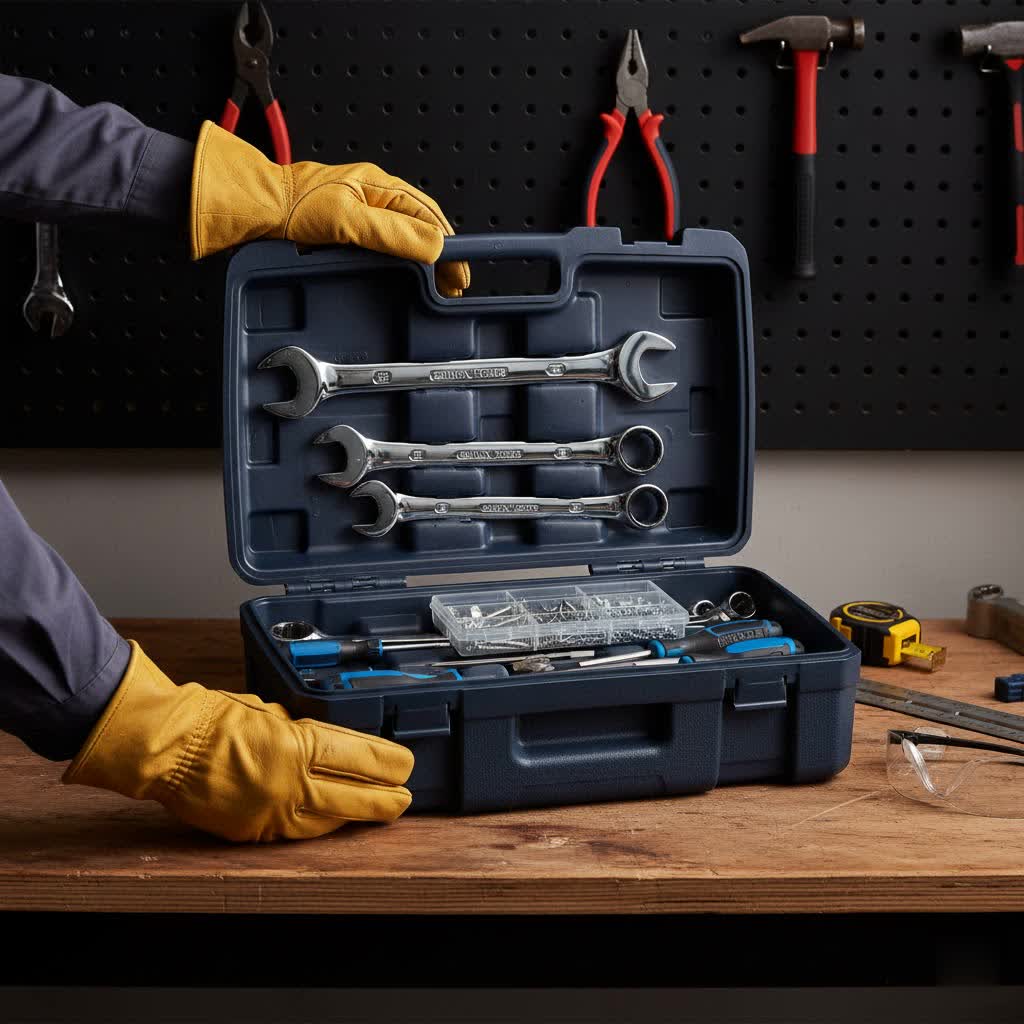
For artisans, DIY enthusiasts, and collectors alike, a Wooden Tool Box is more than just a container; it’s a testament to timeless craftsmanship and a symbol of organized precision. In an age dominated by synthetic materials, the classic wooden tool box continues to capture hearts with its natural beauty, durability, and a tactile warmth that modern alternatives simply cannot replicate. Whether you’re seeking a sturdy companion for your workshop, a portable carrier for on-site tasks, or a beautiful piece to house cherished instruments, understanding the nuances of wooden tool boxes is key. This comprehensive guide will navigate you through their diverse types, the best woods for their construction, top brands, and essential tips for selection and maintenance, ensuring you choose a tool box that truly fits your needs and stands the test of time.
The Enduring Charm of Wooden Tool Boxes
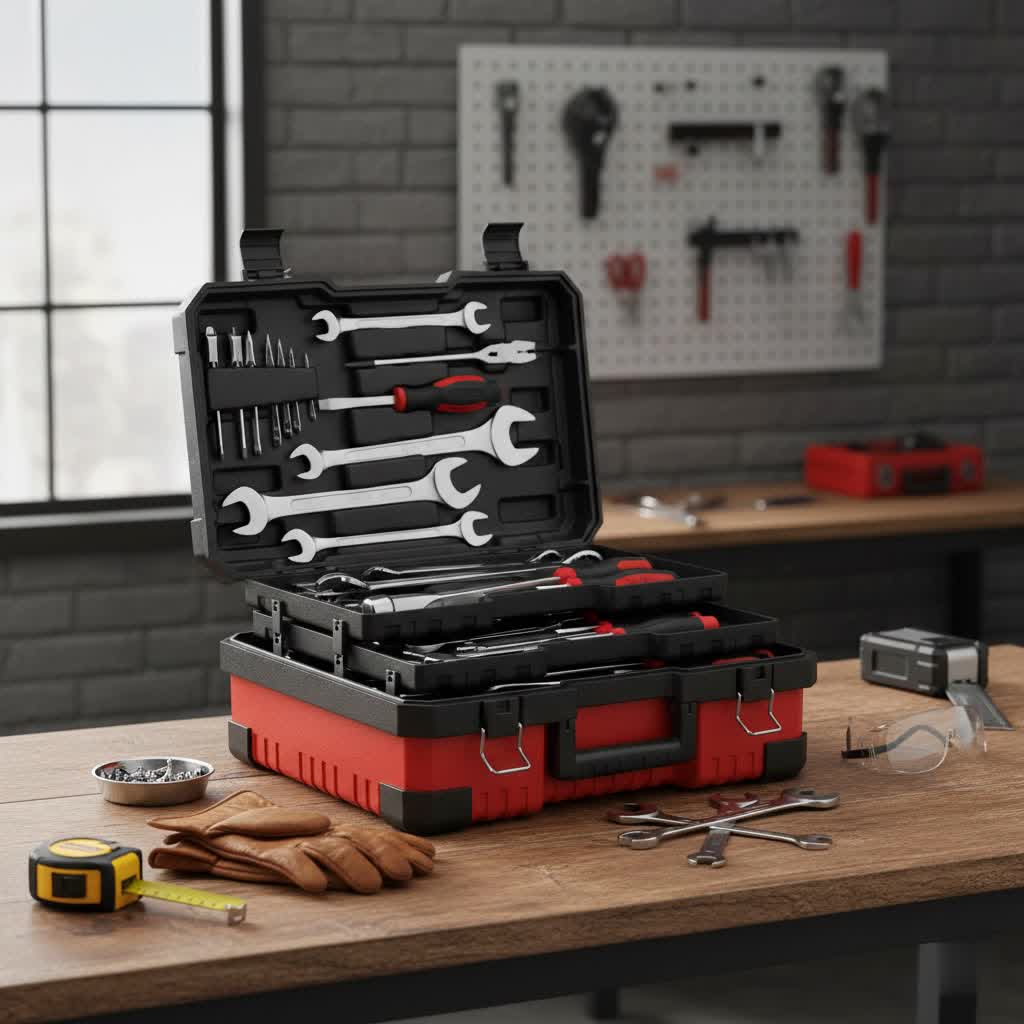
The appeal of a wooden tool box stretches far beyond mere utility, tapping into a rich heritage of craftsmanship and an appreciation for natural materials. Unlike their plastic or metal counterparts, wooden tool boxes offer a unique blend of aesthetic warmth, a satisfying tactile experience, and a connection to traditional woodworking that many find deeply appealing. Each box often tells a story, with the grain of the wood, the joinery, and the patina of age contributing to its unique character. This enduring charm isn’t just about looks; wood’s natural properties also provide a stable environment for tools, often preventing condensation and offering a quieter storage solution compared to metal. It’s a choice that reflects a respect for tools and the craft itself.
Popular Styles and Types of Wooden Tool Boxes
Wooden tool boxes come in a variety of styles, each designed to meet different storage needs and preferences, blending both form and function.
- Traditional Open-Top Carriers/Totes: These are arguably the most iconic wooden tool boxes. Simple in design, often featuring a single large compartment and a sturdy dowel or solid handle, they offer immediate access to frequently used tools. Ideal for carpenters, gardeners, or DIYers who need to transport a selection of hand tools around a job site or home. Their open nature makes tools visible and easy to grab.
- Wooden Tool Chests: Stepping up in complexity, tool chests are often larger, more substantial pieces designed for workshop use. They typically feature multiple drawers, often lined with felt to protect precision instruments from scratches and rust. These chests provide secure, organized storage and are built for longevity, often becoming heirloom pieces.
- Cantilever Tool Boxes: While often seen in metal, wooden cantilever designs offer expanding tiers that fan out, providing multiple levels of organized storage. This design maximizes internal space and keeps smaller items neatly separated, making them popular for crafts, fishing tackle, or specialized tool sets.
- Specialized Wooden Boxes: These are often tailored for specific tools or collections, such as carving tools, machinist’s instruments, or even art supplies. They might feature custom-fitted compartments, elaborate joinery, and exquisite finishes, highlighting both the tools they hold and the artistry of the box itself. Decorative wooden boxes, sometimes used as gift boxes or rustic home decor, also fall into this category, leveraging the inherent beauty of wood for non-tool storage.
“A well-crafted wooden tool box is more than just storage; it’s a partner in your craft, protecting your instruments while enhancing the beauty of your workspace.”
Comparing Different Wooden Tool Box Styles
Choosing the right wooden tool box involves considering factors like material, size, durability, and cost. While a generalized comparison across all tool box materials (plastic, metal, wood) might highlight wood’s aesthetic edge, focusing on various wooden styles helps tailor the choice to specific needs.
| Feature | Open-Top Carrier | Multi-Drawer Chest | Cantilever Box | Specialized/Decorative |
|---|---|---|---|---|
| Material | Pine, Poplar, Plywood | Hardwoods, Plywood, MDF | Plywood, thinner hardwoods | Fine hardwoods, exotic woods |
| Size Range | Small to Medium (portable) | Medium to Large (stationary) | Small to Medium (portable) | Varies widely (often small) |
| Durability | Good, especially for everyday use | Excellent, built for heavy loads | Good, mechanisms need care | Varies, often for gentle use |
| Organization | Basic, open access | High, compartmentalized drawers | Excellent, tiered visibility | Custom, highly specific |
| Portability | High, easy to carry | Low, often heavy, sometimes wheeled | Moderate, can be bulky when full | High (for smaller boxes) |
| Cost | Low to Moderate | Moderate to High | Moderate | Moderate to Very High |
| Best Use | Quick access, frequently used tools | Workshop storage, precision tools | Organized small parts, crafts | Display, specific collections |
Choosing the Right Wood for Your Tool Box
The choice of wood significantly impacts the tool box’s durability, weight, appearance, and ease of construction. Selecting the “best” wood often depends on the intended use and desired aesthetics.
Common Wood Choices
-
Softwoods (Pine, Poplar, Cypress, Spruce):
- Eastern White Pine, Sugar Pine, Scots Pine: These are frequently recommended for their lightweight nature, affordability, and ease of workability. They are excellent for the main shell of a tool chest or carrier. Pine can sometimes be prone to dents and may contain pitch, but it’s a traditional choice for good reason. Poplar, particularly tulip poplar, is another fantastic option due to its relative cheapness, wide availability, and suitability for painting, often preferred for classic working chests. Cypress, Sitka spruce, and Douglas fir are also good regional alternatives, offering similar benefits.
- Advantages: Lightweight, easy to cut and shape, cost-effective, readily available in many regions.
- Disadvantages: Softer, more susceptible to dents and scratches compared to hardwoods.
-
Hardwoods (Alder, Hickory, Walnut, Oak):
- Alder: A good choice in Western regions, offering a balance of workability and durability, slightly more expensive than pine or poplar.
- Hickory: Highly durable and resistant to impact, making it ideal for heavy-duty tool boxes meant for rugged use. However, it is quite heavy and challenging to work with.
- Walnut: Prized for its rich color and grain, making for beautiful, high-end tool chests. It is, however, quite heavy and more expensive.
- Oak: A strong, durable wood, but can be heavy and might mar metallic tools if not properly lined. Its open grain can also make intricate joinery more challenging.
- Advantages: Excellent durability, dent resistance, beautiful grain patterns, and a premium feel.
- Disadvantages: Heavier, harder to work with, generally more expensive.
-
Plywood (Baltic Birch):
- Often used for drawers, internal partitions, or even the entire box. Baltic birch plywood is known for its stability, strength, and void-free core, making it an excellent choice where dimensional stability and resistance to warping are crucial.
- Advantages: Stable, strong for its thickness, less prone to seasonal movement, good for drawers.
- Disadvantages: Edges may need finishing, not considered solid wood.
|
Our Picks for the Best Tool Box in 2026
We may earn a commission when you use one of our links to make a purchase.
|
||
| Num | Product | Action |
|---|---|---|
| 1 | beyond by BLACK+DECKER BLACK+DECKER BDST60500APB Stackable Storage System - 3 Piece Set (Small, Deep Toolbox, and Rolling Tote) |

|
| 2 | CRAFTSMAN Tool Box, Tool Storage, Lockable, Black, 16 Inch (CMST16005) |
|
| 3 | Heavy Duty Tool Bag 15-Inch, 16-Pocket Portable Empty Tool Box Organizer, Big Storage Toolbox Organization, Soft Handle Large Zipper Carrying Toolbag, Valentines Day Gifts for Him Dad Men, Green |
|
| 4 | CRAFTSMAN Tool Box, Lockable, 16 in., Red/Black (CMST16901) |
|
| 5 | Tidy Tool Organizer for 20V Brushless Drill and Packout Compact Tool Box |
|
| 6 | Keter Stack N’ Roll 3-Piece Rolling Tool Box System – Stackable Modular Tool Organizer with Wheels, Clear Lid Small Parts Storage & Locking Latches for Garage, Workshop & DIY |
|
| 7 | DEWALT TSTAK Tool Box, Deep, Long Handle, Extra Large Design, Fixed Divider for Tool Organization, Water and Debris Resistant (DWST17814) |
|
| 8 | VEVOR Mechanics Tool Set, 308-Piece Mechanic Tool Kit, 1/4 in, 3/8 in, and 1/2 in Drive, SAE and Metric Socket Set, Wrenches, Screwdriver Bits, Accessories, and Storage Case, for Automotive Repair |
|
| 9 | DEWALT TSTAK Tool Box, Extra Large Design, Removable Tray for Easy Access to Tools, Water and Debris Resistant (DWST17806) |
|
| 10 | DEWALT 192 Pcs. Mechanics Tool Set, 1/2, 1/4, 3/8 Socket Set, SAE and Metric Socket Wrench Set, Hard Shell Tool Box (DWMT75049) |
|
Ultimately, for a functional working tool box, prioritizing a cheap, lightweight wood that is locally available and at least 7/8″ to 1″ thick (rather than thinner 3/4″ surfaced material) is often recommended.
Leading Brands and Custom Makers of Wooden Tool Boxes
While dedicated wooden tool box brands are fewer than those for metal or plastic, several manufacturers and custom artisans stand out for their quality and design.
For those seeking ready-made wooden tool chests for precision instruments or cherished collections, Harbor Freight’s Windsor Design series is often cited. These chests are typically crafted from hardwood with a walnut stain, featuring felt-lined drawers and sometimes a machinist’s safety mirror in the lid, making them popular for storing calipers, micrometers, and other fine tools.
Brands like Husky and Tekton/Rousseau Metal Inc., while primarily known for their robust metal tool storage solutions, occasionally incorporate wooden elements, particularly hardwood tops on their rolling cabinets and workbenches. These integrate the aesthetic and functional benefits of a wooden work surface with the heavy-duty construction of steel cabinets, offering a blend of traditional appeal and modern durability. Husky’s 46-inch Tool Chest with a hardwood top, for example, combines a functional workspace with ample storage.
However, the true heart of wooden tool box craftsmanship often lies with independent woodworkers and custom makers. Platforms like Etsy showcase a vast array of handcrafted wooden tool boxes, ranging from rustic farmhouse-style totes to intricately designed, personalized pieces. These artisans often use a variety of woods, employ traditional joinery techniques, and can create bespoke designs tailored to specific tool collections or aesthetic preferences. Supporting these custom makers allows for unique, high-quality pieces that often become family heirlooms.
Top 5 Wooden Tool Boxes Favored by Enthusiasts
Identifying the “top 5” specific models of wooden tool boxes can be challenging due to the prevalence of custom-made pieces and the niche market for mass-produced solid wood options. However, certain types and design principles are consistently favored.
-
The Classic Carpenter’s Tote (DIY or Handcrafted):
- Description: A simple, open-top carrier, typically made from pine or poplar, with a sturdy central handle. Often built using straightforward joinery like butt joints with screws and glue, or more refined dovetails.
- Pros: Easy to build, lightweight, offers quick access to essential tools, highly portable, customizable.
- Cons: Limited protection from dust/debris, less secure, not suitable for small parts.
- Best for: Everyday home repairs, woodworking projects where tools are frequently needed and moved, and as a beginner woodworking project.
-
Felt-Lined Machinist’s Chest (e.g., Windsor Design from Harbor Freight):
- Description: A multi-drawer wooden chest, usually made from hardwoods like oak or rubberwood with a walnut stain, featuring felt-lined drawers. Designed for protecting precision tools like micrometers and calipers.
- Pros: Excellent protection for delicate tools, elegant appearance, good organization.
- Cons: Not designed for heavy-duty rough-and-tumble use, can be heavy, specialized use case.
- Best for: Machinists, jewelers, collectors of fine tools, or anyone needing dust-free, scratch-resistant storage for valuable instruments.
-
Wooden-Top Rolling Workbench/Cabinet (e.g., Husky 46-inch Tool Chest with Hardwood Top):
- Description: While the body is often steel, the solid hardwood top provides a durable and aesthetically pleasing work surface. Features multiple drawers for diverse tool storage.
- Pros: Combines a sturdy work surface with ample storage, good mobility with casters, durable construction.
- Cons: Not entirely wood, can be very heavy, often a significant investment.
- Best for: Workshops needing a versatile mobile workstation with integrated tool storage, DIYers with a growing collection of hand and power tools.
-
Japanese-Style Wooden Tool Box (DIY or Custom):
- Description: Characterized by its minimalist design, precise joinery (often dovetailed or half-lap), and typically made from lightweight, stable woods like cedar or pine. These boxes are designed for strength and portability, often with a simple lid and no separate handle.
- Pros: Extremely strong and durable due to joinery, beautiful aesthetic, excellent protection for tools, lightweight for transport.
- Cons: Can be more challenging to build for beginners, less internal compartmentalization, requires careful stacking of tools.
- Best for: Woodworkers who appreciate traditional craftsmanship, those needing strong yet portable storage for hand tools, or as a challenging and rewarding DIY project.
-
Cantilever Wooden Craft Box (Custom or Niche Brands):
- Description: A multi-tiered wooden box where trays fold out for easy access to contents. Often made from plywood or thinner hardwoods.
- Pros: Superb organization for small items, full visibility of contents when open, aesthetically pleasing.
- Cons: Can be less robust than solid chests, mechanisms can wear over time, may become top-heavy when fully open.
- Best for: Craft supplies, sewing kits, fishing tackle, or small specialized tool sets requiring intricate organization.
How to Choose the Perfect Wooden Tool Box
Selecting the ideal wooden tool box involves a thoughtful assessment of your specific needs, the tools you own, and your working environment.
Key Factors to Consider:
-
Size and Capacity:
- Tools to Store: Lay out all the tools you intend to store. This will give you a clear idea of the required length, width, and depth. Don’t forget larger items like saws or levels that might dictate the box’s dimensions.
- Growth Potential: Consider if your tool collection is likely to expand. A slightly larger box or one with expandable options might be a wise long-term investment.
- Space Availability: Measure the space where the tool box will be stored, whether it’s a shelf, under a workbench, or in a truck.
-
Material and Durability:
- Wood Type: As discussed, softwoods (pine, poplar) are lighter and easier to work with but more prone to dents. Hardwoods (oak, walnut, hickory) offer superior durability and aesthetic appeal but are heavier and more costly. Plywood is excellent for stability and drawers.
- Construction: Look for strong joinery like dovetails, box joints, or robust dadoes, especially for drawers and heavy-duty boxes. Glued and screwed construction is a reliable standard for many DIY boxes.
- Finish: A good finish (varnish, oil, paint) protects the wood from moisture, dirt, and wear.
-
Portability vs. Stationary Use:
- Portable: If you frequently move your tools, an open-top carrier or a lightweight cantilever box with a sturdy handle is essential. Consider the overall weight when loaded.
- Stationary: For workshop use, a heavy, multi-drawer tool chest or cabinet offers robust storage and organization. Mobility might still be a factor, so look for quality casters if movement is occasionally needed.
-
Organization and Features:
- Compartments and Drawers: Decide if you need multiple compartments, removable trays, or felt-lined drawers for delicate tools. A common preference is shallow drawers for small items and deep drawers for bulkier tools.
- Security: If you’re storing valuable tools, consider boxes with locking mechanisms.
- Handles: For portable boxes, ensure the handle is comfortable and strong enough to support the full weight of your tools. A dowel handle is classic for wooden carriers.
-
Budget: Wooden tool boxes range widely in price, from inexpensive DIY projects to high-end custom-built pieces or brand-name chests. Set a realistic budget based on your needs and the level of craftsmanship you desire.
Advice for Newcomers:
Start with a simpler design, like an open-top wooden tote, which is an excellent project to hone basic woodworking skills. Focus on practical functionality, good joinery, and choosing readily available, forgiving woods like pine or poplar. As your skills and tool collection grow, you can graduate to more complex chests with drawers or specialized designs.
Organizing and Maintaining Your Wooden Tool Box
Proper organization and maintenance are crucial for maximizing the lifespan of your wooden tool box and ensuring your tools remain in top condition.
Scientific Tool Arrangement
- Categorize Tools: Group similar tools together (e.g., screwdrivers, wrenches, chisels, measuring tools). This makes finding what you need quick and efficient.
- Utilize Compartments: For multi-drawer chests, dedicate each drawer to a specific tool category. Shallow drawers are ideal for smaller hand tools, while deeper drawers can accommodate power tools or bulkier items.
- Inserts and Dividers: Wooden or plastic inserts, trays, and dividers can be added to larger compartments or drawers to create custom-sized slots for individual tools, preventing them from shifting or clanging against each other.
- Lining Drawers: For precision tools, felt or cork lining provides a soft, protective layer that prevents scratches and can help absorb minor moisture, reducing the risk of rust.
- Vertical Storage: For open-top carriers, consider adding thin internal dividers to create vertical slots for items like saws or levels, keeping them upright and accessible.
- Heavy Tools at the Bottom: Always place heavier tools in the bottom sections or drawers to maintain stability and prevent the box from becoming top-heavy, especially if it’s portable.
Tips for Longevity
- Avoid Moisture: Wood is susceptible to warping and mold in damp conditions. Store your wooden tool box in a dry environment. If tools are wet or dirty, clean and dry them thoroughly before putting them away.
- Regular Cleaning: Periodically wipe down the interior and exterior of the box with a dry or slightly damp cloth to remove dust and grime. Avoid harsh chemical cleaners that can damage the wood finish.
- Wood Treatment: Depending on the finish, apply wood wax, oil (like linseed oil), or a wood conditioner every few months or as needed to prevent the wood from drying out and cracking. This also enhances its natural beauty.
- Protect Edges and Corners: Wooden tool boxes, especially portable ones, can suffer from dings and chips. Consider adding metal corner protectors for extra durability.
- Inspect Joinery: Periodically check all joints (dovetails, dadoes, screws) for any signs of loosening. Tighten screws or reinforce joints as necessary to maintain structural integrity.
- Prevent Rust: In addition to keeping tools dry, you can place desiccant packets (like silica gel) inside the box to absorb excess humidity, further safeguarding your metal tools from rust.
Where to Purchase a Quality Wooden Tool Box
Finding the perfect wooden tool box can be an exciting journey, with various avenues offering different styles and price points.
- Specialized Retailers & Hardware Stores:
- Large hardware chains like Harbor Freight, Home Depot, and Lowe’s occasionally stock wooden tool chests or rolling cabinets with wooden tops, particularly for precision tools or as part of larger modular storage systems. These often provide a good balance of quality and accessibility. For example, the Windsor Design chests from Harbor Freight are a popular choice for felt-lined storage.
- Online Marketplaces (Etsy, Amazon):
- Etsy: An excellent resource for unique, handcrafted, and personalized wooden tool boxes from independent artisans. You’ll find a wide range of styles, from rustic totes to elaborate, custom-built chests. This is ideal if you’re looking for something with character and bespoke craftsmanship.
- Amazon: Offers a variety of wooden tool boxes, including DIY kits, smaller craft-oriented boxes, and some mass-produced options. It’s a convenient option for quick purchases, but quality can vary, so always check reviews.
- Woodworking Supply Stores:
- These stores might offer raw materials, hardware, and sometimes even pre-cut kits or plans for building your own wooden tool box. They are also great places to seek advice on wood types and construction techniques.
- Antique Stores & Flea Markets:
- For those who appreciate vintage charm, antique shops and flea markets can be treasure troves for old wooden tool boxes. These often come with a rich history and a unique patina, though they may require some restoration.
- Direct from Woodworkers/Craft Fairs:
- Local craft fairs and direct purchases from independent woodworkers can yield exceptional, custom-made wooden tool boxes tailored to your exact specifications. This often ensures the highest quality and a truly unique piece.
When purchasing online, always compare prices, read customer reviews, and pay close attention to the dimensions, material descriptions, and return policies. If buying a vintage piece, inspect its condition thoroughly to understand any restoration work that might be needed.
Conclusion
The wooden tool box, with its timeless appeal and practical functionality, remains a cherished asset for any craftsman or DIY enthusiast. From the utilitarian simplicity of an open-top carrier to the sophisticated organization of a multi-drawer chest, these pieces embody a blend of natural beauty and robust utility. Choosing the right wood, understanding different styles, and committing to proper maintenance will ensure your wooden tool box not only organizes your essential tools but also becomes a durable, beautiful heirloom. Whether you opt for a handcrafted masterpiece, a reliable brand-name chest, or embark on a rewarding DIY project, a wooden tool box is an investment in both your tools and your passion.
What kind of tools do you envision organizing in your very own wooden tool box?
Câu Hỏi Thường Gặp
What is the best wood for a tool box?
The “best” wood depends on your needs. Poplar and pine are excellent, affordable, and lightweight choices for general use and DIY projects, while hardwoods like hickory or oak offer superior durability for heavy-duty applications. For drawers, stable plywood like Baltic birch is often recommended.
Are wooden tool boxes durable?
Yes, wooden tool boxes can be very durable, especially when constructed from hardwoods and utilizing strong joinery methods like dovetails or box joints. Proper care, including protection from moisture and regular maintenance, significantly extends their lifespan.
How do you protect tools in a wooden tool box?
To protect tools, ensure they are clean and dry before storage. Line drawers with felt or cork to prevent scratches and absorb minor moisture. Consider using desiccant packets to control humidity and minimize rust risk, and always store the box in a dry environment.
Can I build my own wooden tool box?
Absolutely! Building a wooden tool box is a popular and rewarding woodworking project, with many plans available for various skill levels. Starting with a simple open-top design can be a great way to develop your skills before tackling more complex multi-drawer chests.