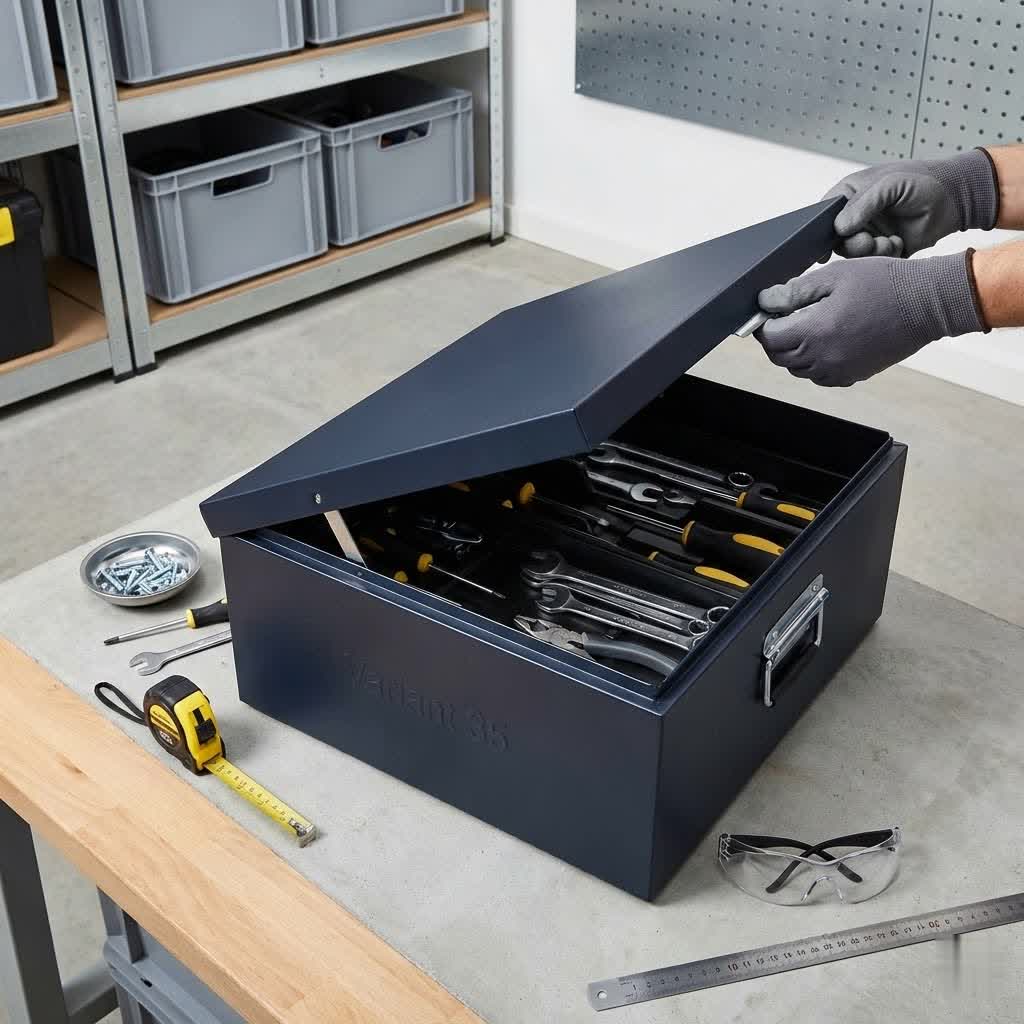
Choosing the best tool box significantly enhances efficiency and organization for both professionals and DIY enthusiasts. The ideal tool box depends on factors like tool collection size, frequency of use, and work environment, with options ranging from compact hand-carry boxes to extensive stationary chests. For example, a professional tradesperson might opt for a Milwaukee Packout modular system for its durability and customization, while a DIYer might prefer a Husky 46-inch Mobile Workbench for its value and integrated workspace.
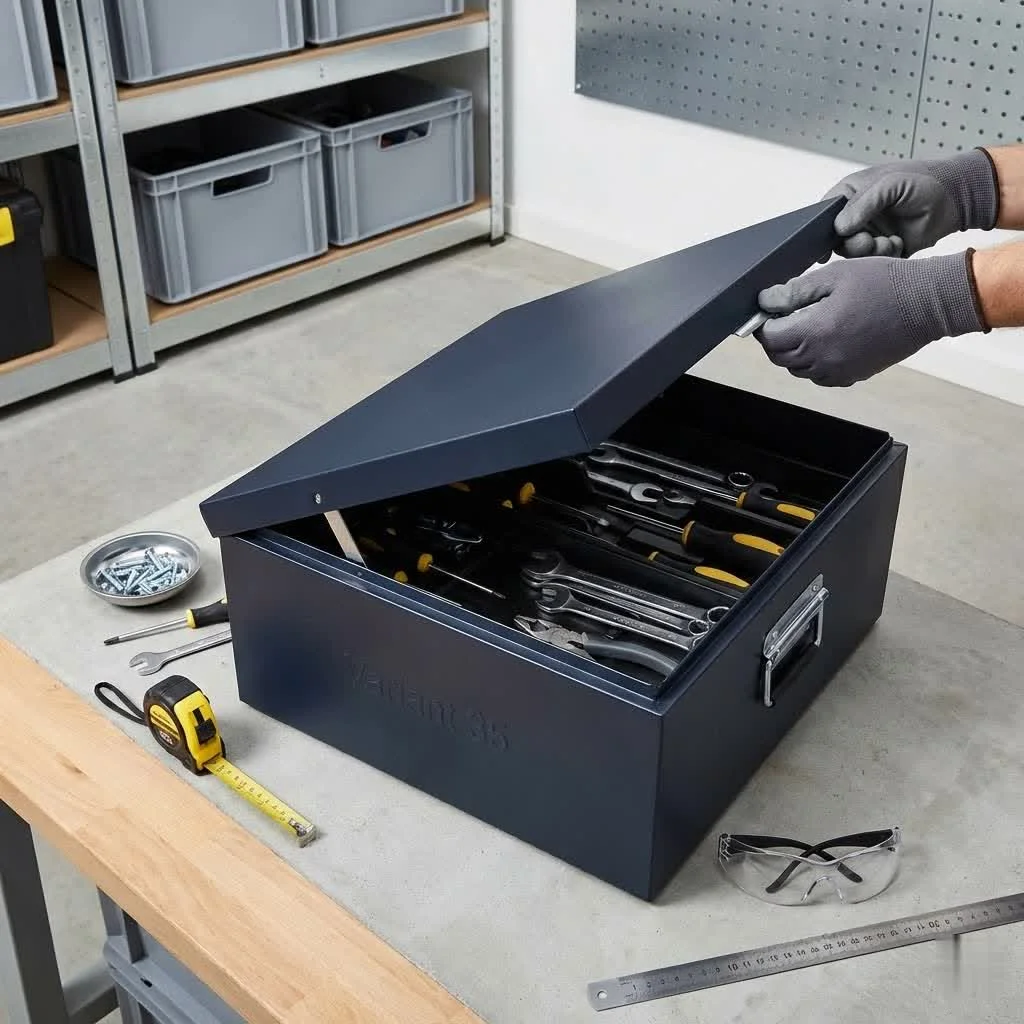
Understanding the Landscape: Popular Tool Box Types
The market offers a diverse range of tool boxes, each designed to cater to specific needs and work environments. Knowing the distinct characteristics of each type is the first step toward making an informed decision.
Hand-Carry Tool Boxes
These are typically compact, portable boxes with a single handle, ideal for smaller tool collections or for quick jobs that require a limited set of tools. They come in various materials, offering a balance of lightweight design and accessibility.
- Pros: Highly portable, affordable, good for basic tool sets.
- Cons: Limited storage capacity, can become heavy quickly, less organized than multi-drawer options.
- Applications: Home DIY projects, small repair tasks, general household maintenance.
Portable Rolling Tool Boxes (Modular Systems)
Designed for mobility, these systems feature wheels and often multiple stackable units. Brands like Milwaukee Packout, DeWalt ToughSystem, and ToughBuilt StackTech offer interconnected modules that can be customized and transported as a single unit.
- Pros: Excellent mobility, expandable storage, customizable configurations, strong durability in professional systems.
- Cons: Can be expensive, individual components might be heavy, connectivity systems are usually brand-specific.
- Applications: Tradespeople, construction sites, mobile mechanics, extensive home workshops needing transportable storage.
Stationary Tool Chests and Cabinets
These are larger, multi-drawer units, often on casters, built for workshop or garage environments where tools are stored in a fixed location. They provide extensive storage capacity and superior organization.
- Pros: High storage capacity, excellent organization with multiple drawers, often feature heavy-duty construction, can serve as a workbench.
- Cons: Less portable, higher cost, requires dedicated floor space.
- Applications: Professional workshops, auto repair shops, large home garages, industrial settings.
Workbench Tool Boxes
These combine a sturdy work surface with integrated tool storage, typically featuring multiple drawers underneath a robust top (often wood or stainless steel). They are perfect for maximizing space and creating an efficient workstation.
- Pros: Dual functionality (storage and workspace), large capacity, durable construction.
- Cons: Less portable, significant footprint, generally higher price point.
- Applications: Dedicated workshops, professional garages, hobby spaces.
Tool Bags and Totes
Made from durable fabric (like nylon or canvas), these are lightweight and flexible, offering quick access to tools. They are less structured but provide ample space for various tools.
- Pros: Very portable, lightweight, flexible storage, often have external pockets for quick access.
- Cons: Less protection for tools, can be difficult to organize small items, not weather-resistant.
- Applications: Electricians, plumbers, general contractors, quick grab-and-go jobs.
Comparative Overview: Key Tool Box Materials
The material of your tool box dictates its durability, weight, and resistance to environmental factors. Here’s a comparison of the most common materials:
| Material | Durability | Weight | Rust Resistance | Cost | Best For |
|---|---|---|---|---|---|
| Steel | High | Heavy | Low (without coating) | Medium to High | Heavy-duty, stationary storage, security |
| Stainless Steel | Very High | Heavy | High | High | Outdoor use, harsh environments, premium finish |
| Aluminum | Medium to High | Lightweight | High | Medium to High | Portable boxes, truck boxes, rust-prone areas |
| Plastic/Polypropylene | Medium | Very Lightweight | High | Low | Light-duty, DIY, damp environments, affordability |
| Fabric (Nylon/Canvas) | Low to Medium | Very Lightweight | Low | Low | Tool bags, quick access, portability |
Leading the Industry: Trusted Tool Box Brands
Choosing a reputable brand can assure you of quality, durability, and customer support. Here are some of the most trusted names in the tool box industry:
- Milwaukee: Known for its innovative Packout modular storage system, offering extreme durability and extensive customization for professionals.
- DeWalt: Features the ToughSystem series, another robust modular solution popular for its interlocking design and durability. Their TSTAK line offers lighter, more budget-friendly modular options.
- Husky: A strong contender for value-priced, well-built tool chests and mobile workbenches, often found at Home Depot. They are recognized for their robust construction and practical features like hardwood tops and power strips.
- Craftsman: A long-standing name in tools and storage, Craftsman offers reliable and value-driven tool chests and cabinets, often assembled in the USA.
- U.S. General (Harbor Freight): Offers surprisingly high-quality tool chests and carts at competitive prices, making them a favorite among DIYers and professionals on a budget. Their ICON series targets premium professional-grade brands with strong steel and precision welds.
- ToughBuilt: With their StackTech system, ToughBuilt is emerging as an innovator, providing unique and inspired modular solutions.
- Ridgid: Offers the Pro Gear system, known for its durable, fairly priced modular solutions, including unique features like removable hand cart components.
- Snap-On: A premium brand revered by mechanics, known for its unparalleled longevity and resale value, though at a significantly higher price point.
Spotlight on Excellence: Top Tool Boxes Preferred by Users
Based on current trends and expert reviews, several tool boxes stand out for their exceptional performance, features, and user satisfaction.
- Milwaukee Packout Modular Storage System: This system is often hailed as an industry leader due to its robust construction, extensive range of interlocking boxes, organizers, and totes, and superior weather sealing. While the cost is a consideration, its versatility and durability make it a top choice for professionals.
- Husky 46-inch Mobile Workbench Tool Box: A favorite for home garages and light professional use, this workbench combines ample storage with a durable hardwood worktop. Its nine drawers, built-in power strip, and sturdy casters offer excellent value and functionality.
- DeWalt ToughSystem 2.0: An updated and highly competitive modular system, ToughSystem 2.0 offers excellent flexibility and functionality. Its stackable nature and durable construction are well-suited for demanding job sites.
- U.S. General Series 3 Roll Cab (Harbor Freight): This rolling cabinet is praised for its robust build, high drawer capacity, and competitive pricing. It’s an excellent option for those seeking professional-grade storage without the premium brand cost.
- Craftsman 2000 Series Rolling Tool Cabinet: Offering a balance of quality and affordability, the Craftsman 2000 Series provides reliable storage with features like soft-close drawers and high load ratings, making it a solid choice for both serious DIYers and professionals.
Your Perfect Match: A Guide to Choosing the Right Tool Box
Selecting the ideal tool box requires careful consideration of several factors. Here’s a structured approach to help you make the best decision:
Assess Your Needs and Work Style
|
Our Picks for the Best Tool Box in 2026
As an Amazon Associate I earn from qualifying purchases.
|
||
| Num | Product | Action |
|---|---|---|
| 1 | Keter Stack N’ Roll 3-Piece Rolling Tool Box System – Stackable Modular Tool Organizer with Wheels, Clear Lid Small Parts Storage & Locking Latches for Garage, Workshop & DIY |

|
| 2 | DEWALT TSTAK Tool Box, Deep, Long Handle, Extra Large Design, Fixed Divider for Tool Organization, Water and Debris Resistant (DWST17814) |
|
| 3 | CRAFTSMAN Tool Box, Tool Storage, Lockable, Black, 16 Inch (CMST16005) |
|
| 4 | Heavy Duty Tool Bag 15-Inch, 16-Pocket Portable Empty Tool Box Organizer, Big Storage Toolbox Organization, Soft Handle Large Zipper Carrying Toolbag, Valentines Day Gifts for Him Dad Men, Green |
|
| 5 | Tidy Tool Organizer for 20V Brushless Drill and Packout Compact Tool Box |
|
| 6 | CRAFTSMAN Tool Box, Lockable, 16 in., Red/Black (CMST16901) |
|
| 7 | DEWALT TSTAK Tool Box, Extra Large Design, Removable Tray for Easy Access to Tools, Water and Debris Resistant (DWST17806) |
|
| 8 | VEVOR Mechanics Tool Set, 308-Piece Mechanic Tool Kit, 1/4 in, 3/8 in, and 1/2 in Drive, SAE and Metric Socket Set, Wrenches, Screwdriver Bits, Accessories, and Storage Case, for Automotive Repair |
|
| 9 | DEWALT 192 Pcs. Mechanics Tool Set, 1/2, 1/4, 3/8 Socket Set, SAE and Metric Socket Wrench Set, Hard Shell Tool Box (DWMT75049) |
|
| 10 | beyond by BLACK+DECKER BLACK+DECKER BDST60500APB Stackable Storage System - 3 Piece Set (Small, Deep Toolbox, and Rolling Tote) |
|
- Tool Collection Size and Type: Do you have a small set of hand tools, or a growing collection of power tools and specialty items? This dictates the required capacity and number of compartments.
- Frequency of Use: If you use tools daily, prioritize easy access and durability. For occasional use, portability or compact storage might be more important.
- Work Environment: Will your tool box be stationary in a workshop, or will it be moved frequently to different job sites? Outdoor use requires weather-resistant materials.
Key Factors to Evaluate
- Size and Capacity: Ensure the tool box can comfortably hold your current tools and allow for future additions. Consider both overall dimensions and individual drawer/compartment sizes.
- Material: Match the material to your needs for durability, weight, and environmental resistance (e.g., steel for strength, aluminum for portability and rust resistance, plastic for affordability).
- Mobility: For frequent transport, opt for lightweight designs, integrated wheels, or modular systems with dollies. Stationary setups can benefit from heavy-duty rolling chests.
- Organization Features: Look for integrated trays, dividers, foam cutouts, or the ability to add aftermarket organizers to keep tools sorted and easily accessible.
- Durability and Construction: Check for heavy-gauge steel, reinforced corners, smooth-gliding drawer slides (e.g., ball-bearing), and sturdy latches.
- Security: If you store valuable tools, look for robust locking mechanisms and overall secure construction.
- Budget: Tool boxes range widely in price. Determine your budget and balance it with the features and quality you need. Sometimes, investing a bit more upfront saves money on replacements or lost tools later.
- Brand Reputation and Warranty: Reputable brands often offer better build quality and stand behind their products with solid warranties.
Advice for New Users
Start with a versatile hand-carry or a small rolling tool box that can accommodate your essential tools. As your collection grows and your projects become more specialized, you can expand with modular systems or invest in a larger chest.
Mastering Your Space: Tips for Tool Box Organization and Maintenance
An organized tool box saves time and extends the life of your tools. Effective maintenance ensures your investment lasts for years.
Smart Organization Strategies
- Sort by Size and Weight: Place heavier tools (power tools, hammers) in bottom drawers to maintain stability. Lighter tools (sockets, tape measures) go in upper drawers or top compartments.
- Group by Type and Function: Keep all wrenches together, all screwdrivers in one section, and so on. This makes tools easier to find and return.
- Prioritize Frequently Used Tools: Store your go-to tools in the most accessible drawers or compartments, typically at waist height.
- Utilize Organizers: Employ clear plastic bins, drawer dividers, magnetic strips, and foam cutouts to create custom slots for each tool. Foam cutouts are excellent for precision tools, preventing damage and ensuring everything has its place.
- Go Vertical: For long, slim tools like screwdrivers and pliers, use vertical racks or pegboards on the back of a workbench or inside a cabinet door.
- Label Everything: Clearly label drawers and compartments so you and others can quickly identify contents.
Essential Maintenance Tips
- Regular Cleaning: Periodically empty your tool box, wipe down surfaces, and remove any dirt, dust, or debris. This prevents rust and grime buildup.
- Lubricate Moving Parts: Keep drawer slides, hinges, and latches lubricated to ensure smooth operation and prevent wear.
- Inspect for Damage: Regularly check for dents, rust, or broken components. Address minor issues promptly to prevent them from worsening.
- Moisture Control: If working in damp environments, consider desiccants or rust-inhibiting liners to protect metal tools.
- Secure Tools: Ensure tools are properly secured in their compartments to prevent shifting and damage during transport.
“A well-organized tool box is more than just storage; it’s a productivity enhancer. Knowing exactly where every tool is, and having it in good condition, transforms project efficiency.”
Your Purchase Point: Where to Buy the Best Tool Box
Finding the right place to purchase your tool box is just as important as choosing the right model.
Retailers and Online Stores
- Big Box Stores (Home Depot, Lowe’s): Excellent for a wide range of consumer-grade and prosumer tool boxes, including popular brands like Husky, Craftsman, Kobalt, Milwaukee, and DeWalt. Often have competitive pricing and frequent sales.
- Specialty Tool Stores: Offer a more curated selection, often catering to professional trades with high-end brands like Snap-On, Kennedy, or Lista. Staff are typically very knowledgeable.
- Online Marketplaces (Amazon, directly from brand websites): Provide immense selection and convenience, allowing for easy comparison of features and prices. Be sure to check seller reputation and return policies.
- Harbor Freight Tools: Known for its value-oriented offerings, including the U.S. General and ICON lines, which provide solid performance at budget-friendly prices.
Considerations When Buying
- Price Comparison: Always compare prices across different retailers, especially for major brands, as deals can vary significantly.
- Shipping and Assembly: For larger tool chests, consider delivery costs and whether assembly is required (or if assembly services are offered).
- Return Policy: Understand the return policy in case the tool box doesn’t meet your expectations.
- See in Person: If possible, visit a physical store to see and feel the tool box’s quality, drawer action, and overall build before purchasing, especially for larger investments.
Conclusion
Choosing the best tool box is an investment in your productivity and the longevity of your tools. By understanding the different types, materials, and key features, you can confidently select a storage solution that not only meets your current needs but also adapts to your future projects. An organized and well-maintained tool box is a cornerstone of any efficient workspace, empowering you to tackle tasks with ease and confidence.
What’s the one feature you can’t live without in your tool box?
Frequently Asked Questions
Frequently Asked Questions
What is the best material for a tool box?
The best material for a tool box depends on its intended use. Steel offers maximum strength and security for stationary units, while aluminum provides a lighter, rust-resistant option ideal for portable and truck tool boxes. Heavy-duty plastic (polypropylene) is excellent for affordability, impact resistance, and damp environments, making it a versatile choice for many users.
How much should I spend on a good tool box?
Tool box prices vary widely, from under $100 for basic plastic models to several thousand dollars for professional-grade, multi-drawer steel chests. For most DIY enthusiasts, a budget of $200-$500 can secure a very functional rolling or portable system. Professionals may invest $500-$2000+ for robust, large-capacity, or modular systems from brands like Milwaukee or Snap-On.
Can I mix and match modular tool box brands?
Generally, modular tool box systems are designed to be brand-specific, meaning components from Milwaukee Packout will not directly connect with DeWalt ToughSystem or ToughBuilt StackTech. While some users find creative ways to adapt or stack different brands, native interlocking is typically not possible due to proprietary connection mechanisms.
How do I keep my tool box organized effectively?
To keep your tool box organized, sort tools by type, size, and frequency of use, placing heavier items at the bottom for stability. Utilize drawer dividers, clear bins, and foam cutouts to create custom slots. Employ vertical storage solutions like magnetic strips or pegboards for frequently used tools, and always label drawers and compartments clearly.
Are rolling tool boxes stable during transport and use?
High-quality rolling tool boxes are designed with stability in mind, featuring heavy-duty casters (often lockable) and a construction that allows for heavy tools to be stored in lower drawers to maintain a low center of gravity. For optimal stability, always distribute weight appropriately and avoid overloading upper drawers, which can compromise balance.
How to Choose the Right Tool Box
Selecting the ideal tool box requires careful consideration of your needs, work style, and key features to ensure you get a storage solution that enhances productivity and protects your tools.
Determine the size and type of your tool collection, how frequently you use your tools, and your typical work environment. This assessment will help dictate the required capacity, portability, and material of your tool box. For example, a stationary workshop needs differ from mobile job site requirements.
Consider size, capacity, material (e.g., steel for strength, plastic for affordability), mobility, organization features (dividers, foam cutouts), durability, security, and your budget. Match these factors to your specific requirements to narrow down your options. Look for features like ball-bearing drawer slides for smooth operation.
Investigate reputable brands like Milwaukee, DeWalt, Husky, and Craftsman, known for quality and durability. Read user reviews and expert opinions to understand real-world performance and identify any potential drawbacks. A strong brand reputation often indicates better build quality and customer support.
Compare prices across big box stores (Home Depot, Lowe's), specialty tool stores, and online marketplaces (Amazon, brand websites). Consider shipping costs, assembly requirements, and return policies. If possible, inspect the tool box in person to assess its quality and feel before making a significant investment.
Once purchased, implement smart organization strategies such as sorting tools by type and frequency of use, utilizing drawer dividers, and labeling compartments. Establish a routine for regular cleaning, lubricating moving parts, and inspecting for damage to ensure your tool box and its contents remain in excellent condition for years.
Get our weekly buyer guide
Practical specs, not advice. Unsubscribe anytime.

As a carpenter, I’m always on the lookout for better organization. The breakdown of different tool box types was really helpful. I ended up investing in a rolling tool chest, and it’s made such a difference for moving my heavier power tools around the shop. No more back strain!
I finally pulled the trigger on the Milwaukee Packout system after reading about it here, and it’s a game-changer for my plumbing business. The modularity is fantastic; I can grab just what I need for a job without lugging everything. Super durable too, feels like it will last forever on job sites.
I’m a serious DIYer and was looking for something better than my old plastic bin. The Husky 46-inch Mobile Workbench was a great suggestion. It’s got so much space and the integrated workspace is incredibly handy for small projects. My garage is definitely more organized now.
I was hoping the hand-carry tool boxes would be a bit more robust for the price point mentioned. While it’s good for light use around the house, I found the latches on the one I got felt a little flimsy. It does the job for my basic tools, but I wouldn’t trust it for heavy-duty transport.