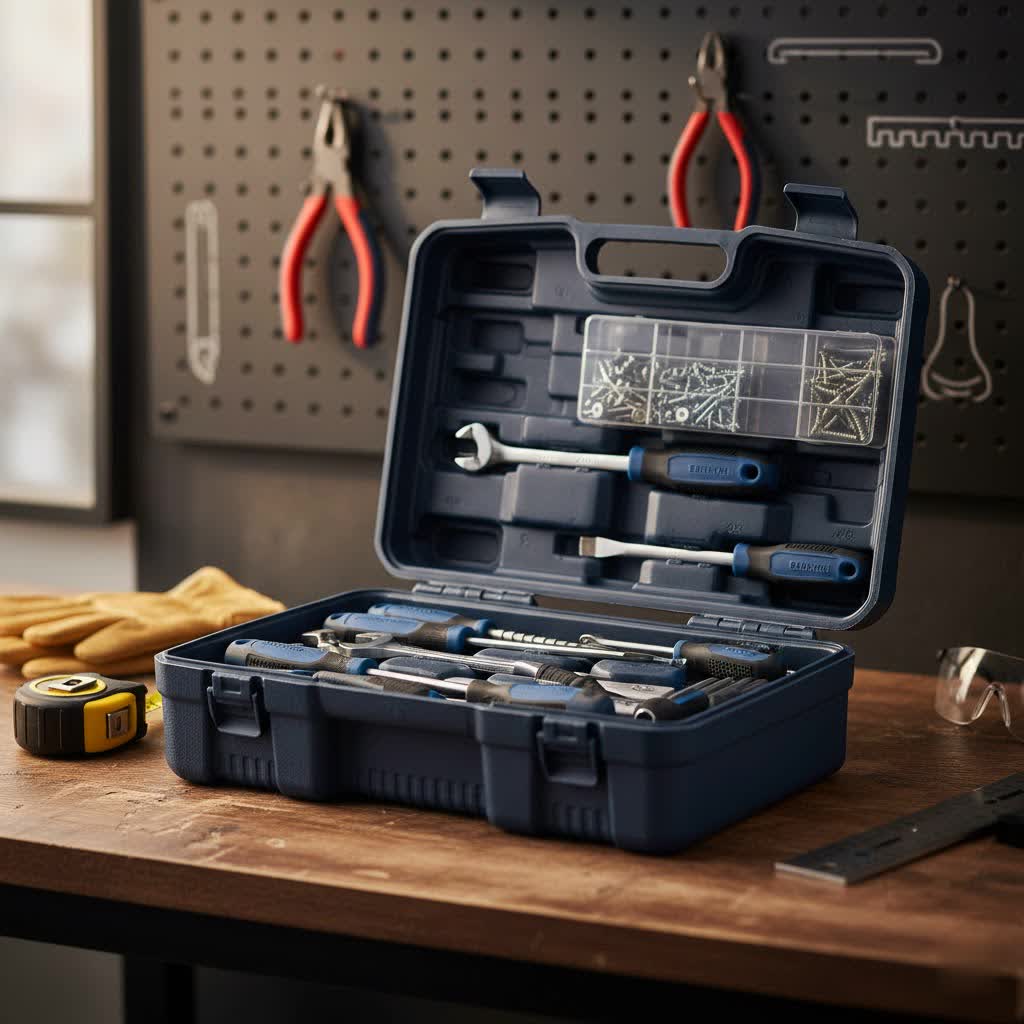
As an Admin for reviewtatca.com and a technician with over a decade of experience in tools and equipment, particularly with various types of tool boxes, I understand the critical role a robust and well-organized storage solution plays in any workspace. From basic home use to demanding professional environments, a large tool box isn’t just a container; it’s the nerve center of your efficiency. It protects your valuable investments, keeps everything in its place, and ultimately saves you time and frustration. Let’s delve into the world of large tool boxes, exploring their diverse types, the best brands, and crucial considerations for making an informed choice that perfectly suits your needs.
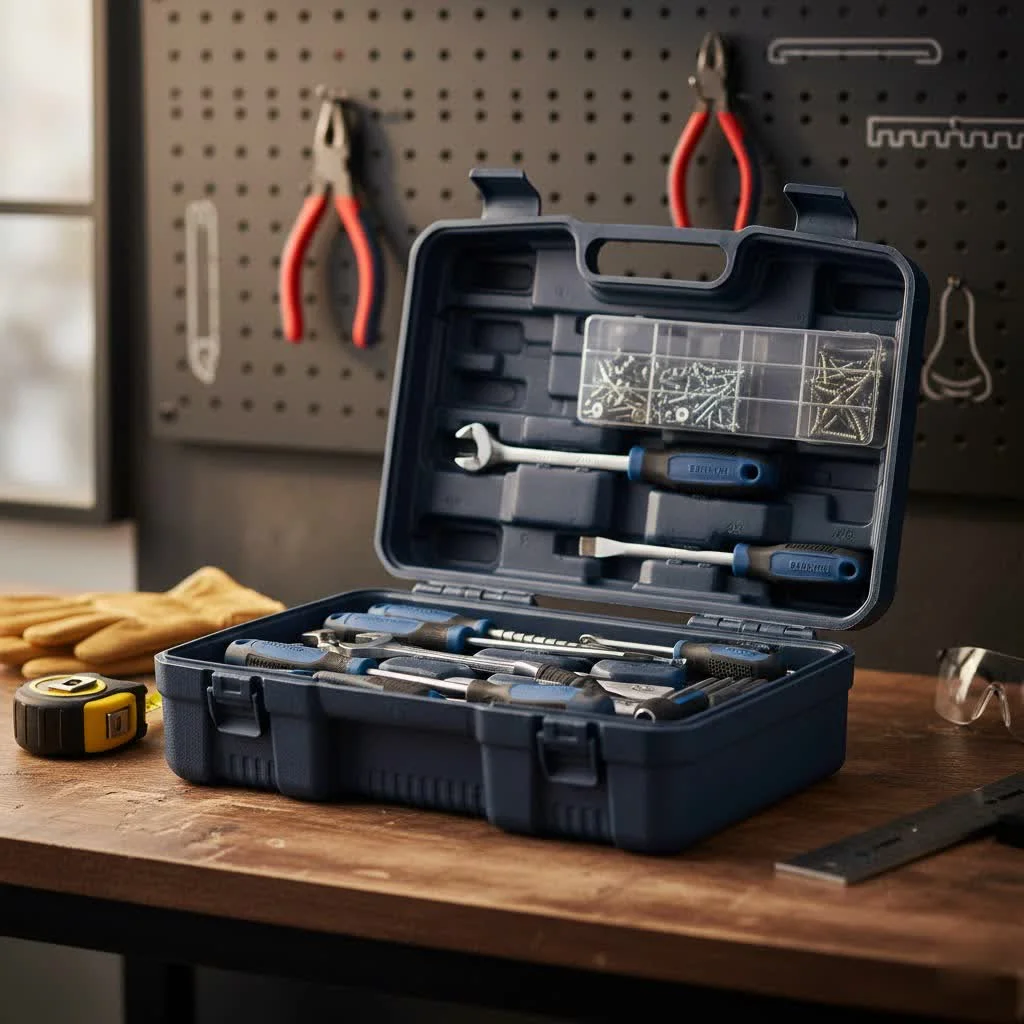
Popular Large Tool Box Types
When it comes to substantial tool storage, the options are varied, each designed to meet specific demands for capacity, mobility, and accessibility. Understanding these differences is key to selecting the right partner for your extensive tool collection.
Rolling Tool Chests and Cabinets
These are perhaps the most common and versatile large tool boxes, combining generous storage with mobility. A rolling tool cabinet typically features a series of drawers and sits on heavy-duty casters, allowing you to move your entire workstation wherever the job takes you. Tool chests, often designed to sit on top of these cabinets, offer additional drawer space and sometimes a top compartment.
- Pros: High storage capacity, excellent organization with multiple drawers, convenient mobility within a workshop or garage.
- Cons: Can be very heavy when fully loaded, requiring robust casters. While mobile, they are not designed for easy transport between different job sites.
- Applications: Ideal for auto mechanics, dedicated workshops, and serious DIY enthusiasts who need to move tools around a large space.
Stationary Tool Cabinets
Designed for maximum, permanent storage, stationary tool cabinets are robust units typically found in fixed locations like large garages or industrial workshops. They prioritize sheer volume and security over portability.
- Pros: Offers the highest storage capacity, extremely durable, and often comes with enhanced security features.
- Cons: Not mobile at all, requires a dedicated space.
- Applications: Perfect for professional shops with extensive tool inventories or for a home garage where tools stay in one primary location.
Truck Tool Boxes
Specifically engineered for vehicles, truck tool boxes are mounted in the bed of a pickup or on a flatbed, providing secure, weather-resistant storage on the go. They come in various styles, including crossover, side-mount, and chest models.
- Pros: Provides secure and accessible storage during transport, built to withstand harsh outdoor conditions and vibrations.
- Cons: Storage capacity is limited by truck bed size, less organized than multi-drawer chests.
- Applications: Essential for contractors, field service technicians, and anyone who needs to transport a significant number of tools regularly to different job sites.
Modular Tool Box Systems
|
Our Picks for the Best Tool Box in 2026
As an Amazon Associate I earn from qualifying purchases.
|
||
| Num | Product | Action |
|---|---|---|
| 1 | DEWALT 192 Pcs. Mechanics Tool Set, 1/2, 1/4, 3/8 Socket Set, SAE and Metric Socket Wrench Set, Hard Shell Tool Box (DWMT75049) |

|
| 2 | Keter Stack N’ Roll 3-Piece Rolling Tool Box System – Stackable Modular Tool Organizer with Wheels, Clear Lid Small Parts Storage & Locking Latches for Garage, Workshop & DIY |
|
| 3 | CRAFTSMAN Tool Box, Tool Storage, Lockable, Black, 16 Inch (CMST16005) |
|
| 4 | Heavy Duty Tool Bag 15-Inch, 16-Pocket Portable Empty Tool Box Organizer, Big Storage Toolbox Organization, Soft Handle Large Zipper Carrying Toolbag, Valentines Day Gifts for Him Dad Men, Green |
|
| 5 | DEWALT TSTAK Tool Box, Deep, Long Handle, Extra Large Design, Fixed Divider for Tool Organization, Water and Debris Resistant (DWST17814) |
|
| 6 | VEVOR Mechanics Tool Set, 308-Piece Mechanic Tool Kit, 1/4 in, 3/8 in, and 1/2 in Drive, SAE and Metric Socket Set, Wrenches, Screwdriver Bits, Accessories, and Storage Case, for Automotive Repair |
|
| 7 | Tidy Tool Organizer for 20V Brushless Drill and Packout Compact Tool Box |
|
| 8 | CRAFTSMAN Tool Box, Lockable, 16 in., Red/Black (CMST16901) |
|
| 9 | beyond by BLACK+DECKER BLACK+DECKER BDST60500APB Stackable Storage System - 3 Piece Set (Small, Deep Toolbox, and Rolling Tote) |
|
| 10 | DEWALT TSTAK Tool Box, Extra Large Design, Removable Tray for Easy Access to Tools, Water and Debris Resistant (DWST17806) |
|
These systems consist of interlocking, stackable units that can be configured in various ways. Brands like Milwaukee Packout or DeWalt ToughSystem exemplify this type, allowing you to customize your large tool box setup for different tasks or transport needs.
- Pros: Highly versatile and adaptable, excellent for organizing specific tool sets, easy to transport individual components or a stacked system.
- Cons: Can be bulky when fully assembled, connection mechanisms can sometimes be less robust over time.
- Applications: Ideal for tradespeople who frequently move between job sites and need to carry a tailored selection of tools, or for those who want flexible organization.
Tool Chest and Cabinet Combos
This setup combines a rolling base cabinet with one or more top chests and often side lockers or hutches, creating a comprehensive, vertical storage system. This maximizes space utilization in a fixed location and often includes a work surface.
- Pros: Offers immense storage capacity, creates a functional workstation, highly customizable with additional units.
- Cons: Very heavy and difficult to move once fully assembled, significant initial investment.
- Applications: Professional mechanics, machinists, or anyone with a vast and growing tool collection in a permanent workshop.
Comparison Table of Large Tool Box Types
| Feature | Rolling Tool Chest/Cabinet | Stationary Tool Cabinet | Truck Tool Box | Modular System | Tool Chest & Cabinet Combo |
|---|---|---|---|---|---|
| Material | Steel, Heavy-Duty Plastic | Heavy-Gauge Steel | Aluminum, Steel | Heavy-Duty Plastic, Steel | Heavy-Gauge Steel |
| Mobility | High (on casters) | None (fixed) | High (vehicle-mounted) | High (stackable, portable) | Low (heavy, difficult to move) |
| Storage Cap. | Very High | Extremely High | Medium-High | Adaptable (Medium-High) | Extremely High |
| Durability | High | Very High | High | Moderate-High | Very High |
| Typical Use | Workshop, Garage | Industrial Shop | Field Service, Transport | Job Site, Varied Tasks | Professional Workshop |
| Price Range | $$ – $$$ | $$$ | $$ – $$$ | $ – $$ | $$$$ |
Reputable Large Tool Box Brands
The market offers a wide array of brands, each with its strengths. Choosing a reputable brand often means better durability, thoughtful design, and reliable customer support.
For heavy-duty, professional-grade large tool boxes, brands like Extreme Tools and Homak are highly regarded. Extreme Tools, for instance, offers cabinets with thick steel construction, high-capacity drawer slides (often rated for 100-200 lbs per set), and robust casters, ideal for industrial or professional automotive settings. Homak also provides massive roller cabinets with features like stainless steel worktops and high-security locking systems, designed for tough environments. Snap-On and Tekton are also major players, known for their exceptional longevity and customization options, though often at a higher price point.
In the mid-range category, offering a strong balance of quality and value, you’ll find brands like Husky, Craftsman, and Milwaukee. Husky tool chests, widely available, are often praised for their value, sturdy build, and expandable options, making them popular for both home garages and professional use. Craftsman continues to offer well-built storage solutions with practical features like soft-close drawers and integrated power strips. Milwaukee, known for its power tools, also produces excellent heavy-duty tool chest combos and its highly popular Packout modular system, which is a favorite among professionals for its durability and integration. U.S. General (Harbor Freight’s house brand) is often cited as a surprisingly good value option, especially for their large roll cabs, providing solid features at a competitive price point.
For modular and portable large tool box systems, Milwaukee Packout, DeWalt ToughSystem, and Rigid ProGear stand out. These systems prioritize portability and customizability, allowing users to build a stackable solution that fits their specific needs for job site transport.
Top 5 Large Tool Boxes For Every Need
Selecting just five “best” models is challenging given the diverse needs, but here are categories of large tool boxes that consistently impress with their features and utility, drawing from popular market offerings and my professional experience.
- The Heavy-Duty Rolling Workstation: Consider a large-format roller cabinet, like those from Extreme Tools RX Series or Homak H2Pro Series. These units typically feature 12 to 21 deep drawers, often 55 inches to 72 inches wide, constructed from heavy-gauge steel. They boast ball-bearing drawer slides capable of holding hundreds of pounds per drawer, industrial-grade locking casters for smooth movement, and robust security systems. Many include a durable worktop, such as stainless steel, transforming the cabinet into a mobile workbench. These are perfect for professional mechanics or serious fabricators who require immense storage and a solid workspace.
- The Comprehensive Tool Chest Combo: A multi-piece setup, such as the Milwaukee 41-inch Heavy Duty Tool Chest Combo or a similar Craftsman Open Till Storage Combo, provides exceptional vertical storage. These usually consist of a rolling bottom cabinet with multiple drawers and a top chest that includes a lid-covered compartment, often with a pegboard and integrated power strip. This design offers a vast array of drawer sizes for various tools and a convenient spot for charging batteries or working on smaller projects. It’s an excellent choice for a well-equipped home garage or a growing professional collection.
- The Adaptable Modular System: For those who need to frequently transport tools to different locations, a large modular system like the Milwaukee Packout or DeWalt ToughSystem 2.0 is invaluable. While individual boxes might not be “large” in isolation, a fully stacked and connected system functions as a large, highly portable tool box. These systems offer a variety of boxes, organizers, and rolling bases that click together, providing customizable storage for everything from small parts to large power tools. Their rugged construction ensures tools are protected on job sites.
- The Secure Truck Bed Storage: For professionals on the move, a high-capacity, weather-sealed truck tool box is essential. These are typically made from heavy-gauge aluminum or steel, designed to withstand the elements and provide secure storage. Look for models with reinforced lids, strong locking mechanisms, and sometimes even integrated compartments for organization. These ensure your tools are safe from theft and weather, making them ideal for contractors and service technicians.
- The Value-Oriented Large Roll Cab: Brands like U.S. General (Harbor Freight) offer large rolling cabinets, such as their 42-inch Series 3 Roll Cab, which provide significant storage and durability without the premium price tag of top-tier brands. These often feature welded case designs, decent drawer weight capacities, and full-length drawer pulls. While some components like casters might be upgraded later, these boxes offer an impressive amount of storage for the cost, making them a fantastic entry point for aspiring professionals or DIYers with growing tool collections.
How to Choose the Perfect Large Tool Box
Selecting the right large tool box involves more than just picking the biggest one. It’s about a strategic match between your tools, workflow, and workspace.
-
Assess Your Needs:
- Professional vs. Hobbyist: Professionals require greater durability, capacity, and security. Hobbyists might prioritize versatility and cost-effectiveness.
- Tool Volume and Type: Do you have many large power tools, specialized equipment, or mostly hand tools? This dictates the number and depth of drawers needed. Don’t forget future tool acquisitions!
- Mobility Requirements: Will your tool box stay put in a workshop, or does it need to travel across a large garage, or even to different job sites?
-
Size and Capacity:
- Always measure your available space – both floor area and height – before committing to a large unit.
- Consider the overall cubic inches of storage and the weight capacity of individual drawers and the entire unit. A large tool box should comfortably house your current collection with room to grow.
-
Material and Durability:
- Steel: The gold standard for heavy-duty use, offering superior strength, longevity, and impact resistance. Look for heavier gauge steel (e.g., 14-gauge) for professional environments.
- Aluminum: Lighter than steel, corrosion-resistant, often used for truck tool boxes and some portable units.
- Heavy-Duty Plastic: Excellent for modular systems and portable boxes due to its lightweight nature and resistance to some chemicals. However, it might not offer the same level of security or impact resistance as steel.
-
Organization Features:
- Drawers: Look for a variety of drawer sizes – shallow for sockets and wrenches, deep for power tools and bulky items, and full-width for long tools.
- Drawer Slides: Ball-bearing slides are crucial for smooth operation under heavy loads. Check their weight rating.
- Dividers and Foam Inserts: These are invaluable for keeping tools organized and preventing them from shifting or rattling.
- Additional Features: Integrated power strips, pegboards, side lockers, and hutches can significantly enhance functionality.
-
Mobility:
- For rolling units, heavy-duty casters (often 5-inch or larger) are essential. Look for at least two swivel and two locking casters for easy maneuverability and stability.
- Handles should be ergonomic and robust.
-
Security:
- A reliable locking mechanism is paramount, especially if your tools are valuable or stored in a shared space. Tubular locking systems or coded locks offer better security than simple key locks.
-
Budget:
- Large tool boxes represent a significant investment. Balance your budget with the features and durability you require. Sometimes, spending a bit more upfront on a quality unit will save you money in replacements and frustration down the line.
“A well-chosen large tool box is more than storage; it’s an investment in your productivity and the longevity of your tools. Don’t compromise on quality or features that genuinely enhance your work.”
Organizing and Maintaining Your Large Tool Box
Even the best large tool box can become a chaotic mess without proper organization and maintenance. Here’s how to keep your extensive collection in order and prolong your tool box’s life.
Meticulous Arrangement for Maximum Efficiency
- Start with a Clean Slate: Empty your entire tool box. Clean out any debris, dust, or grime. This gives you a fresh perspective on what you own and what needs to be stored.
- Group by Function and Frequency: Organize tools by type (wrenches, screwdrivers, pliers) and then by how often you use them.
- Heavier and Less Frequently Used Tools: Store these in the bottom drawers. This improves stability, especially for rolling units, and prevents top-heavy tipping.
- Medium-Weight, Regularly Used Tools: Place these in the middle drawers.
- Lightest, Most Frequently Used Tools: Keep these in the top drawers or top compartment for easy access.
- Utilize Drawer Liners and Dividers: Non-slip drawer liners prevent tools from sliding around. Dividers, plastic trays, or custom-cut foam inserts create dedicated spots for each tool, making it easy to see what’s missing and keep things neat. Custom foam inserts, where you trace and cut out shapes for each tool, offer the ultimate organization and a “shadow board” effect, immediately highlighting any missing tools.
- Maximize Space: Experiment with layouts. For sets of wrenches or screwdrivers, consider alternating handle directions to fit more tools per drawer. Store small parts like nuts, bolts, and washers in clear, lidded containers within a drawer.
- Accessories: Magnetic tool holders can keep frequently used small metal tools like screwdrivers or Allen wrenches accessible on the outside of the box or inside a lid. Pegboards in hutch compartments are great for hanging specialty tools or larger items.
Prolonging the Life of Your Investment
- Regular Cleaning: Wipe down your tool box regularly, inside and out. Dust and grime can impede drawer slides and harbor moisture.
- Lubricate Moving Parts: Periodically lubricate drawer slides and hinges with a suitable product to ensure smooth operation and prevent wear.
- Check Casters: If your tool box is mobile, inspect casters for wear and ensure they roll freely and lock securely. Replace damaged casters promptly.
- Maintain Locks: Ensure locking mechanisms are functioning correctly to keep your tools secure. Lubricate them if they become stiff.
- Protect from Elements: If your tool box is in a damp environment, consider additional rust prevention measures for metal tools. For outdoor use (like truck tool boxes), ensure all seals are intact to prevent water intrusion.
Where to Buy Large Tool Boxes
Finding the perfect large tool box requires knowing where to look to get the best value, quality, and support.
Physical Stores
- Home Improvement Retailers: Stores like Home Depot (Husky, Milwaukee) and Lowe’s (Craftsman, Kobalt) offer a wide selection of large tool boxes, especially rolling cabinets and combos, at various price points. You can physically inspect the units, check drawer quality, and assess overall build.
- Specialty Tool Stores: These shops often carry higher-end, professional brands like Snap-On, Matco (often via mobile tool trucks), and independent brands like Extreme Tools or Homak. The staff are typically very knowledgeable and can offer expert advice.
- Automotive Supply Stores: Beyond general tools, these stores often stock specific truck tool boxes and heavy-duty shop cabinets.
- Discount Retailers: Harbor Freight (U.S. General) is known for offering budget-friendly options that often surprise with their quality for the price.
Online Retailers
- Amazon and Other Large E-commerce Sites: Offer an enormous selection from various brands, often with competitive pricing and customer reviews. However, shipping large, heavy tool boxes can be a factor, and you can’t inspect the product in person.
- Manufacturer Websites: Many brands sell directly from their sites, sometimes offering exclusive models or customization options.
- Specialized Tool Storage Websites: Sites like StrictlyToolBoxes.com focus exclusively on tool storage solutions, offering a curated selection of professional-grade brands and often providing detailed product information and customer service for complex purchases.
Important Considerations for Purchasing
- Price Comparison: Always compare prices across different retailers, both online and in-store. Don’t forget to factor in shipping costs for large items, which can be substantial.
- Warranty and Returns: Understand the warranty offered by the manufacturer and the return policy of the retailer, especially for such a significant purchase.
- Customer Reviews: Read reviews from other users to gain insights into real-world performance, durability, and any common issues.
- In-Person Inspection (If Possible): For large tool boxes, it’s highly recommended to see and feel the product before buying, particularly for drawer slide quality, steel gauge, and overall construction.
Conclusion
Choosing the ideal large tool box is a crucial decision for any technician or dedicated DIYer. It’s about investing in an organized, efficient, and protective home for your valuable tools. By carefully considering the various types—from mobile rolling chests and comprehensive combos to specialized truck boxes and adaptable modular systems—and evaluating factors like material, capacity, and mobility, you can pinpoint the solution that best fits your workspace and work style. Reputable brands offer a range of options, ensuring that whether you prioritize heavy-duty industrial strength or flexible job site portability, there’s a large tool box designed for your needs. Remember, a well-organized and maintained tool box is a testament to professionalism and a pathway to smoother, more productive workdays. What kind of large tool box are you envisioning for your next big project?
Frequently Asked Questions
What is the ideal size for a large tool box?
The ideal size depends heavily on your tool collection and available space. For professionals, common large sizes range from 40-inch wide rolling cabinets up to 72-inch or even 84-inch wide multi-bank combos. It’s recommended to choose a size that accommodates your current tools with about 20-30% extra capacity for future growth.
Should I choose metal or plastic for a heavy-duty tool box?
For heavy-duty applications requiring maximum durability and security, metal (especially heavy-gauge steel) is generally superior. Steel offers greater impact resistance and a higher weight capacity. Heavy-duty plastic is excellent for modular, portable systems where lighter weight and chemical resistance are priorities, but it typically offers less security than steel.
How do I keep my large tool box organized?
Start by emptying and cleaning the box, then group tools by function and size. Place heavier, less-used tools in bottom drawers and lighter, frequently-used tools in top drawers. Utilize drawer liners, dividers, and custom-cut foam inserts to create dedicated spaces for each tool and prevent shifting.
Are modular tool box systems suitable for professional use?
Absolutely. Modular tool box systems like Milwaukee Packout or DeWalt ToughSystem are highly favored by many professionals due to their exceptional versatility, durability, and portability. They allow for customized configurations to transport specific tool sets to various job sites efficiently and keep them protected.
What makes a tool box “heavy-duty”?
A heavy-duty tool box is characterized by its robust construction, typically featuring thick-gauge steel, reinforced welded seams, and high-capacity ball-bearing drawer slides (often rated for 100-200 lbs per drawer). It also includes durable casters, strong locking mechanisms, and a protective powder-coat finish, all designed to withstand rigorous professional use and heavy loads.
Get our weekly buyer guide
Practical specs, not advice. Unsubscribe anytime.
