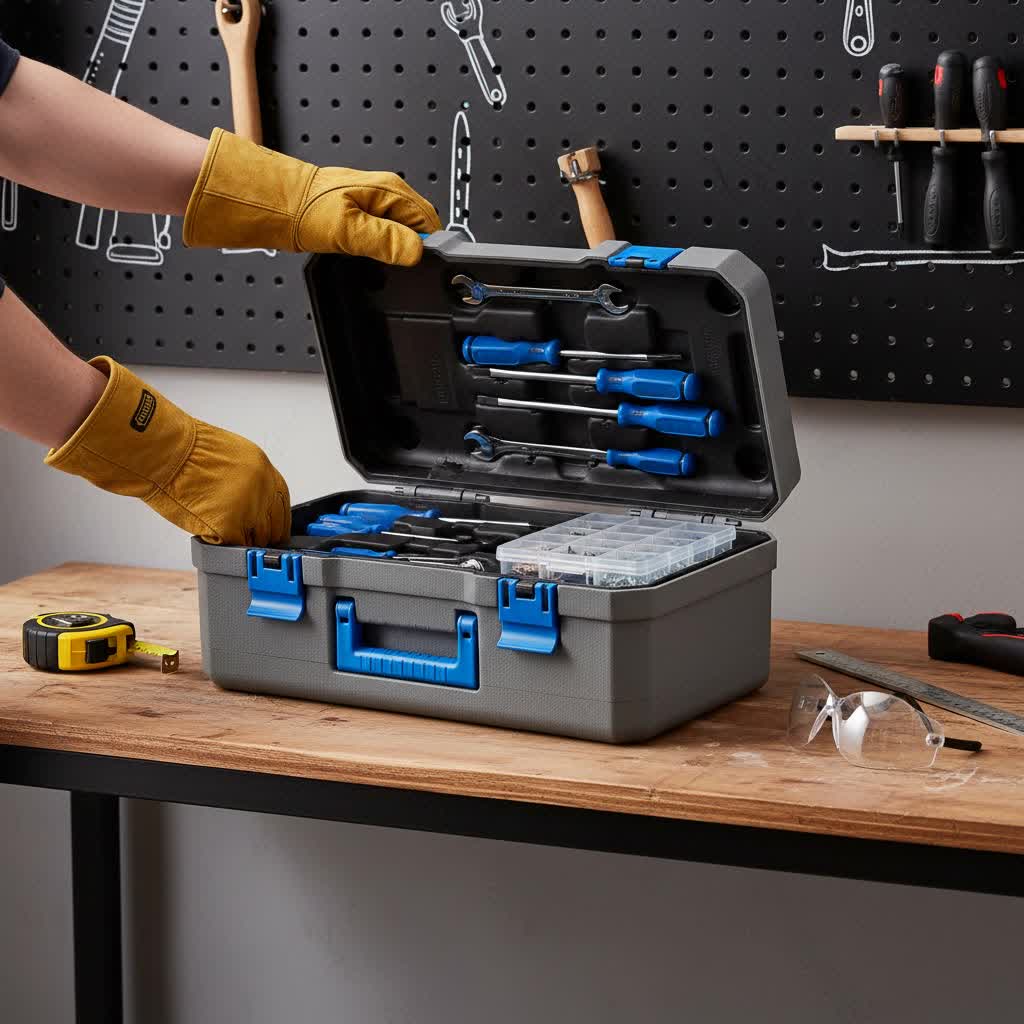
Every mechanic, whether a seasoned professional or a weekend DIY enthusiast, understands the profound satisfaction that comes from a well-organized and fully equipped tool box. It’s more than just a storage unit; it’s the nerve center of your workspace, ensuring efficiency, protecting your valuable investments, and ultimately making every task smoother and more enjoyable. Choosing the right mechanic tool box, especially one that comes complete with a comprehensive set of tools, can seem daunting with the myriad of options available. This guide will navigate you through the various types, essential tools, top brands, and crucial considerations to help you select the perfect setup for your needs.
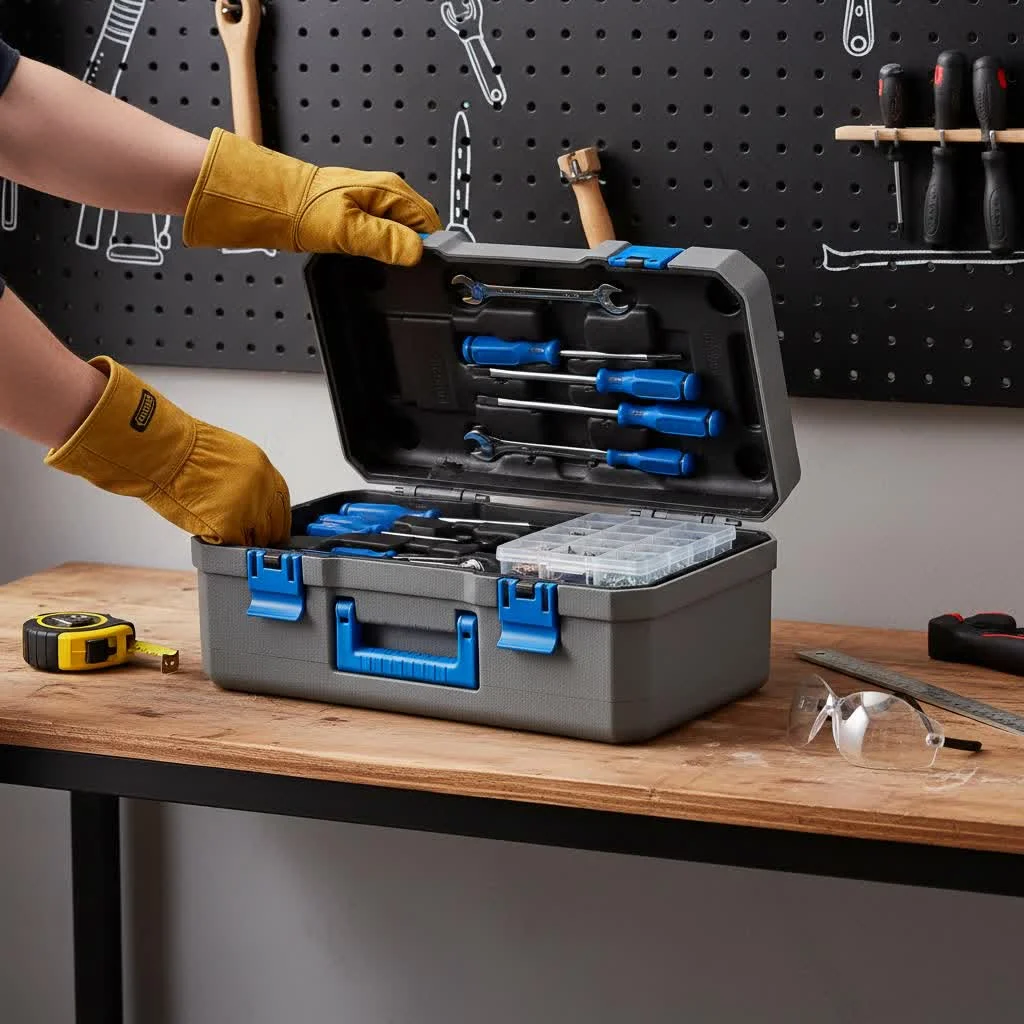
Types of Mechanic Tool Boxes
Tool boxes have evolved far beyond simple metal containers. Today’s market offers a diverse range of options, each designed to cater to specific needs for storage, portability, and access. Understanding these types is the first step in finding your ideal solution. For more tool box guides on this site.
1. Rolling Tool Chests and Cabinets:
These are often the cornerstone of any dedicated mechanic’s workspace. Characterized by multiple drawers and a sturdy, often wheeled, base, they offer substantial storage capacity. Many come as multi-piece units with a top chest and a rolling cabinet, or even integrated into a workbench system, providing both storage and a dedicated work surface. They are ideal for stationary workshops or garages where mobility is needed within the space.
2. Portable Tool Boxes:
Designed for mechanics who need to carry their tools to different job sites or across various areas of a large garage, portable tool boxes are typically smaller and feature robust handles. They can range from traditional single-compartment boxes to multi-level cantilever designs, offering quick access and easier transport.
3. Modular Tool Systems:
A modern innovation, modular tool systems like DeWalt TSTAK or Milwaukee Packout, consist of interlocking boxes, organizers, and totes that can be stacked and connected. This allows for highly customized storage solutions that can be easily reconfigured or expanded. They are excellent for professionals who transport specific tool kits for different jobs, or for hobbyists whose tool collection grows over time.
4. Tool Carts:
Often smaller and more agile than full rolling cabinets, tool carts provide a mobile workstation. They typically feature a worktop, a few drawers, and an open bottom shelf, making them perfect for keeping frequently used tools and parts close at hand while moving around a vehicle or project.
5. Tool Bags and Backpacks:
For ultimate portability and light-duty tasks, tool bags and backpacks are compact solutions. They are typically made from durable fabric and feature numerous pockets and compartments. While not suitable for an extensive tool collection, they are ideal for essential hand tools for quick fixes or mobile repairs.
Each type offers distinct advantages, impacting how you organize, transport, and access your tools.
Comparing Popular Mechanic Tool Box Types
|
Our Picks for the Best Tool Box in 2026
As an Amazon Associate I earn from qualifying purchases.
|
||
| Num | Product | Action |
|---|---|---|
| 1 | VEVOR Mechanics Tool Set, 308-Piece Mechanic Tool Kit, 1/4 in, 3/8 in, and 1/2 in Drive, SAE and Metric Socket Set, Wrenches, Screwdriver Bits, Accessories, and Storage Case, for Automotive Repair |

|
| 2 | DEWALT TSTAK Tool Box, Deep, Long Handle, Extra Large Design, Fixed Divider for Tool Organization, Water and Debris Resistant (DWST17814) |
|
| 3 | Tidy Tool Organizer for 20V Brushless Drill and Packout Compact Tool Box |
|
| 4 | beyond by BLACK+DECKER BLACK+DECKER BDST60500APB Stackable Storage System - 3 Piece Set (Small, Deep Toolbox, and Rolling Tote) |
|
| 5 | DEWALT TSTAK Tool Box, Extra Large Design, Removable Tray for Easy Access to Tools, Water and Debris Resistant (DWST17806) |
|
| 6 | Keter Stack N’ Roll 3-Piece Rolling Tool Box System – Stackable Modular Tool Organizer with Wheels, Clear Lid Small Parts Storage & Locking Latches for Garage, Workshop & DIY |
|
| 7 | CRAFTSMAN Tool Box, Tool Storage, Lockable, Black, 16 Inch (CMST16005) |
|
| 8 | DEWALT 192 Pcs. Mechanics Tool Set, 1/2, 1/4, 3/8 Socket Set, SAE and Metric Socket Wrench Set, Hard Shell Tool Box (DWMT75049) |
|
| 9 | CRAFTSMAN Tool Box, Lockable, 16 in., Red/Black (CMST16901) |
|
| 10 | Heavy Duty Tool Bag 15-Inch, 16-Pocket Portable Empty Tool Box Organizer, Big Storage Toolbox Organization, Soft Handle Large Zipper Carrying Toolbag, Valentines Day Gifts for Him Dad Men, Green |
|
Choosing the right type depends heavily on your workspace, the scope of your mechanical work, and your need for mobility.
| Feature | Rolling Tool Chests/Cabinets | Portable Tool Boxes | Modular Tool Systems | Tool Carts | Tool Bags/Backpacks |
|---|---|---|---|---|---|
| Portability | Low (Wheeled, but bulky) | High (Carry handle) | Moderate (Stackable, often wheeled) | High (Wheeled, compact) | Very High (Carry by hand) |
| Capacity | Very High (Multiple large drawers) | Moderate (1-3 compartments) | Moderate to High (Expandable) | Low to Moderate (Few drawers) | Low (Essential tools only) |
| Durability | Very High (Heavy-gauge steel) | Moderate (Plastic/Metal) | High (Robust plastic/metal) | High (Steel) | Moderate (Durable fabric) |
| Best Use Case | Dedicated workshop, home garage | Mobile repairs, small projects | Customizable, growing collection | Mobile workstation, frequently used tools | Quick fixes, minimal tools |
| Typical Cost | $$$$ – $$$$$ | $$ – $$$ | $$$ – $$$$ | $$$ | $ – $$ |
Essential Tools for Your Mechanic Tool Box
A mechanic’s tool box with tools is a significant investment. Beyond the storage unit itself, the quality and comprehensiveness of the included tools are paramount. A well-rounded set should cover the most common tasks a mechanic faces.
Core Hand Tools:
- Sockets and Ratchets: These are the workhorses of any mechanic’s set. Look for comprehensive sets including 1/4″, 3/8″, and 1/2″ drive sizes in both SAE (Standard American & Metric) and metric measurements. Chrome sockets are standard, but impact sockets are crucial for use with impact wrenches. Ratchets with higher tooth counts (e.g., 90-tooth) offer finer increments for working in tight spaces. Extensions, adapters, and universal joints are also indispensable accessories.
- Wrenches: A variety of wrenches is essential. Combination wrenches (open-end and box-end), ratcheting wrenches for speed, and an adjustable wrench for versatility are key. Hex key (Allen wrench) sets in both SAE and metric are also frequently needed.
- Screwdrivers: A full assortment of Phillips, slotted, and specialized Torx screwdrivers, including both standard and precision sizes, will cover most fastening needs.
- Pliers: Different types of pliers serve distinct functions: needle-nose for fine work, slip-joint for gripping various sizes, tongue-and-groove for plumbing or larger gripping, diagonal cutters for wires, and lineman’s pliers for heavy-duty electrical tasks.
- Striking and Prying Tools: A good ball-pein hammer, chisels, and pry bars are necessary for disassembly and shaping.
- Measuring and Cutting: A reliable tape measure for accurate dimensions and a utility knife for cutting various materials are fundamental.
The quality of these tools directly impacts their durability and performance. Opt for tools made from high-grade steel for longevity and reliability.
Top Mechanic Tool Box Brands and Sets
Several brands have earned reputations for producing high-quality mechanic tool boxes and comprehensive tool sets. Here’s a look at some of the leaders:
- Husky: A popular choice for home garages and DIYers, Husky offers a strong balance of value and quality. Their rolling tool cabinets and mobile workbenches are well-regarded for their robust construction and competitive pricing.
- US General / Icon (Harbor Freight): Harbor Freight’s US General line is a favorite for those seeking professional-grade quality without the premium price tag. Their rolling cabinets are known for their sturdy build and smooth drawer slides. The Icon series is their premium offering, directly competing with higher-end brands like Snap-on and MAC Tools, often including features like integrated power strips and USB charging.
- Craftsman: A long-standing name in tools, Craftsman offers reliable tool boxes and sets. Their S2000 series provides a good balance of affordability and durability, often made in the USA with global materials.
- DeWalt / Milwaukee: These brands are dominant in the power tool market and also offer excellent modular tool storage systems like DeWalt’s TSTAK and Milwaukee’s Packout. These systems allow for customizable, stackable, and highly portable tool organization.
- Gearwrench / Sonic Tools: For comprehensive sets, Gearwrench and Sonic Tools stand out. Gearwrench offers extensive mechanics sets, often featuring their high-tooth-count ratchets and organized storage. Sonic Tools specializes in pre-configured, organized toolsets for various technician levels, complete with foam inserts and serialized tools, making them a top choice for professionals.
- OEMTOOLS: Known for professional-grade tool chests, OEMTOOLS provides robust steel constructions with features like gas-assisted strut systems for drawers, appealing to professional mechanics.
“A quality tool box isn’t just about storing tools; it’s about investing in your efficiency, protecting your assets, and building a foundation for precision work.”
How to Choose the Right Mechanic Tool Box with Tools
Selecting the perfect mechanic tool box with tools requires careful consideration of several factors:
-
Your Needs: DIY Enthusiast vs. Professional Mechanic:
- DIY: You might prioritize portability and a well-rounded starter set for general home and auto repairs. A smaller rolling cart or a robust portable box with a basic set of quality hand tools could be ideal.
- Professional: You’ll need maximum storage, extreme durability, robust security, and potentially specialized tools. Large rolling cabinets, multi-piece chest setups, or comprehensive modular systems are often preferred.
-
Space and Portability Requirements:
- Assess your workspace. Do you have a dedicated garage bay or a small corner?
- How often do you need to move your tools? If frequently, look for sturdy wheels, integrated handles, or modular stackable units. If stationary, a heavy-duty workbench-style chest might be best.
-
Budget Considerations:
- Prices vary widely. Entry-level sets with basic tools can be a few hundred dollars, while professional, fully loaded rolling cabinets can run into thousands.
- Determine your realistic budget, but also consider the long-term value. Investing in quality tools and storage often saves money in replacements and frustration down the line.
-
Durability and Material:
- Steel: Heavy-gauge steel is the standard for durable tool chests and cabinets, offering excellent protection and longevity. Look for powder-coated finishes for rust resistance.
- Plastic: High-impact plastics are common for portable and modular systems, offering lighter weight and often weather resistance. Ensure the plastic is robust and designed for heavy use.
- Look for features like ball-bearing drawer slides for smooth operation and long life, even when drawers are fully loaded.
-
Organization Features:
- Consider the number and size of drawers, compartments, and shelves.
- Look for options with foam inserts or dividers to keep tools neatly organized and protected from shifting. Modular systems excel here with their customizable trays.
- Lid-activated drawer locks or central locking systems offer enhanced security.
-
Included Tool Quality and Quantity:
- If buying a set with tools, don’t just look at the piece count. Evaluate the quality of each tool. Are the ratchets high-tooth count? Are the sockets chrome or impact grade?
- Ensure the set includes the essential tools for the type of work you anticipate doing most often. Some sets might be more focused on automotive, others on general repairs.
-
Warranty:
- Check the warranty for both the tool box and the included tools. Many quality hand tools come with a lifetime warranty, which speaks volumes about the manufacturer’s confidence in their product.
Maximizing Efficiency: Organizing and Maintaining Your Tool Box
A tool box is only as effective as its organization. A well-arranged box not only saves time but also prolongs the life of your tools.
- Systematic Arrangement: Group similar tools together. Keep frequently used tools in easily accessible drawers or compartments.
- Utilize Organizers: Drawer liners, foam cutouts, socket trays, and wrench organizers prevent tools from rattling around and make them easy to identify.
- Labeling: Consider labeling drawers or compartments for quick identification, especially in larger chests.
- Regular Cleaning: Dust and grime can damage tools. Periodically clean your tool box and wipe down tools. Lubricate moving parts like drawer slides as needed.
- Inventory: Knowing what you have (and where it is) prevents duplicate purchases and ensures you’re always ready for a task.
Where to Purchase Your Mechanic Tool Box and Tools
You have several avenues when it comes to buying a mechanic tool box with tools:
- Major Retailers: Stores like Home Depot (Husky, DeWalt, Milwaukee), Lowe’s (Kobalt), and Harbor Freight (US General, Icon, Pittsburgh) offer a wide selection, allowing you to see and feel the products in person. They often have sales and competitive pricing.
- Online Stores: Amazon, specialized tool websites, and directly from manufacturer sites provide a vast array of options, often with detailed reviews and competitive shipping. However, you can’t physically inspect the product before buying.
- Specialty Tool Suppliers: For professional-grade and specialized equipment, suppliers like Snap-on, MAC Tools, and Sonic Tools offer high-end solutions, often with personalized service.
When buying online, always verify return policies and shipping costs. For in-person purchases, take the time to open drawers, check construction, and compare sizes.
Conclusion
A mechanic tool box with tools is more than just equipment; it’s a foundational element for productivity and precision in any mechanical endeavor. By carefully considering the type of storage, the quality and range of included tools, and factors like durability, portability, and your specific needs, you can make an informed decision that will serve you well for years to come. Investing in the right setup not only keeps your workspace tidy but also empowers you to tackle any project with confidence and efficiency. So, what kind of mechanical projects are you looking to conquer next with your perfectly chosen tool box?
Frequently Asked Questions
What’s the main difference between a rolling tool chest and a tool cart?
A rolling tool chest typically offers significantly more storage with multiple deep drawers, often forming a large, multi-piece cabinet system, ideal for stationary workshops. A tool cart is generally smaller, more agile, and designed for quick access to frequently used tools while moving around a workspace.
Are pre-filled tool boxes with tools a good value?
Often, yes, especially for beginners or those looking for a comprehensive starter set. While individual tools might offer slightly higher quality, pre-filled sets provide convenience and a cost-effective way to acquire a wide range of essential tools and storage together.
What brands are best for a beginner mechanic’s tool box?
For beginners, brands like Husky and US General (Harbor Freight) offer excellent value, durability, and a wide range of options at accessible price points, making them popular choices for those starting their tool collection.
How important are ball-bearing drawer slides in a tool box?
Ball-bearing drawer slides are crucial for smooth operation, durability, and the ability to hold heavier loads. They prevent drawers from sticking or sagging, significantly enhancing the user experience and the longevity of the tool box, especially when fully loaded.
Should I prioritize metric or SAE tools in my set?
Modern vehicles and equipment predominantly use metric fasteners, so a comprehensive metric set is highly recommended. However, many older vehicles or specialized equipment still use SAE (Standard American) sizes, so a mixed set or supplementary SAE tools are often necessary for a versatile mechanic.
Get our weekly buyer guide
Practical specs, not advice. Unsubscribe anytime.
