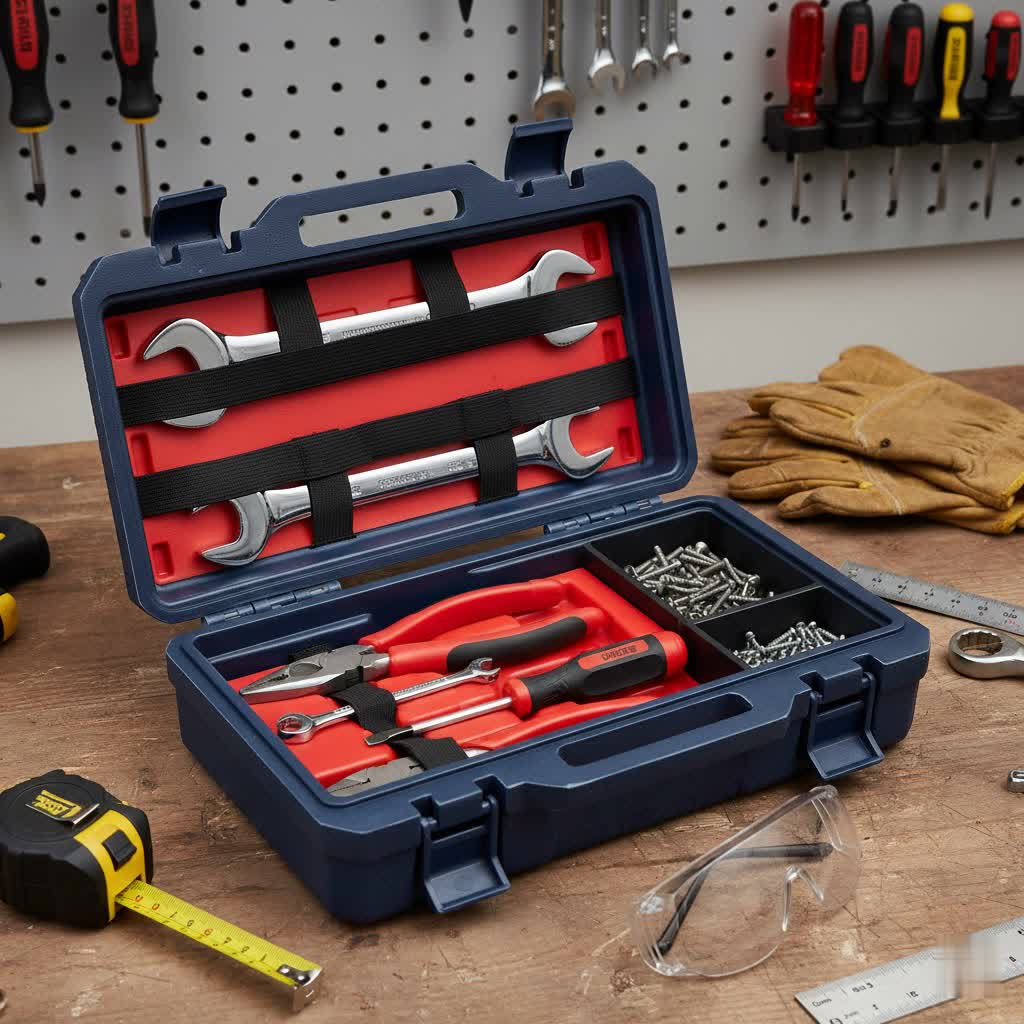
Are you tired of scattered tools, wasted time searching, and the frustration of arriving at a job site unprepared? A high-quality portable tool box isn’t just a container; it’s an essential partner that keeps your gear organized, protected, and always within reach. Whether you’re a seasoned professional technician with a decade of experience in tools and equipment or a dedicated DIY enthusiast tackling weekend projects, choosing the right portable tool box can dramatically improve your efficiency and workflow. This comprehensive guide will explore various types, key features, top brands, and practical tips to help you select the perfect portable tool box to meet your specific needs.
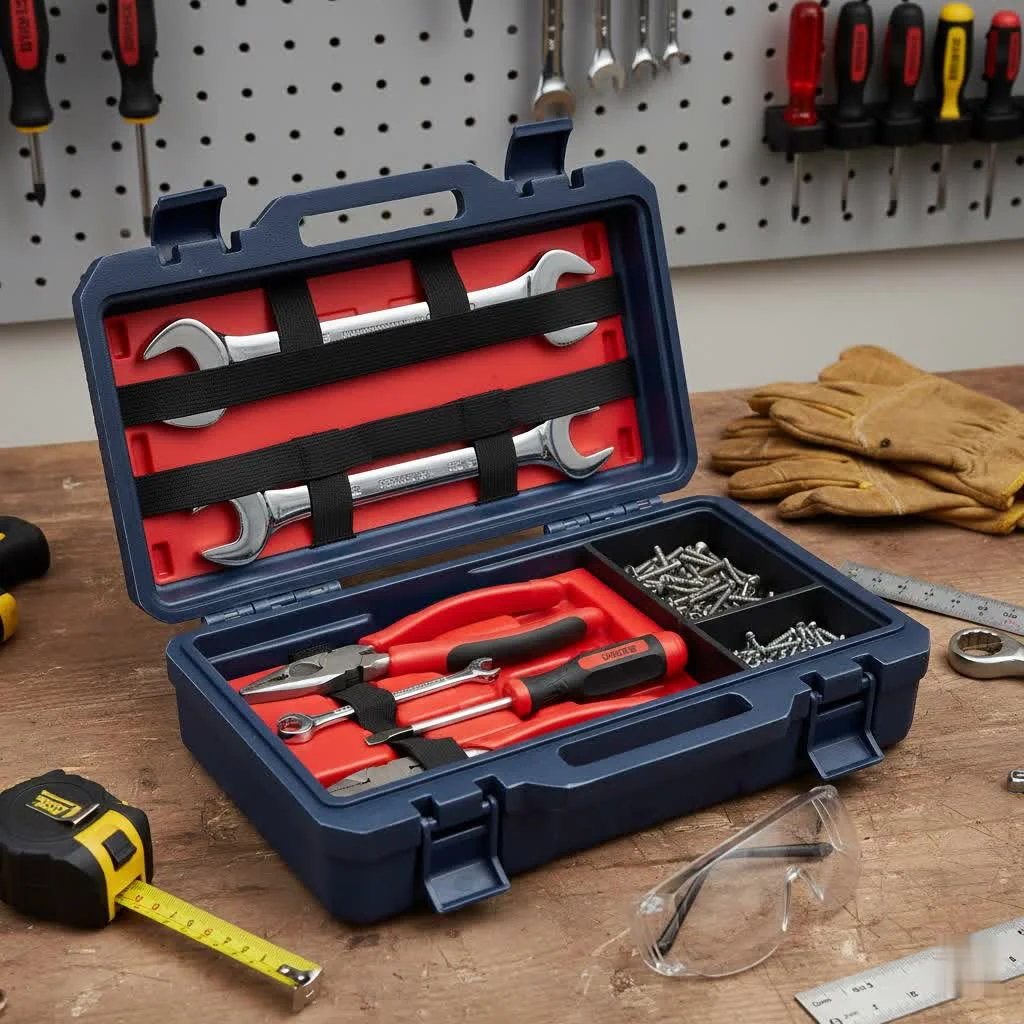
Exploring Diverse Types of Portable Tool Boxes
The world of portable tool boxes offers a variety of designs, each tailored to different needs and work styles. Understanding these distinctions is crucial for making an informed choice.
Hand-Carry Tool Boxes
These are the classic, no-frills tool boxes, often featuring a single large compartment and a removable tray. They are designed for easy, manual transport.
- Pros: Lightweight, generally affordable, simple to use, and compact for basic tool sets.
- Cons: Limited capacity, can become heavy quickly, and offer minimal internal organization beyond a single tray.
- Applications: Ideal for homeowners with a small collection of essential tools, hobbyists, or for carrying a specific subset of tools for a quick repair.
Portable Rolling Tool Boxes
Equipped with wheels and an extendable handle, these tool boxes are designed to alleviate the strain of carrying heavier loads over longer distances.
- Pros: Significantly reduces physical strain, higher storage capacity than hand-carry models, often more robust.
- Cons: Can be bulkier, less agile in tight spaces or on stairs, and wheels/handles can be points of failure if not well-built.
- Applications: Perfect for plumbers, carpenters, electricians, or any professional who frequently moves a substantial amount of tools between work areas or job sites.
Modular Tool Storage Systems
These innovative systems consist of interlocking units that can be stacked, connected, and customized. Brands like Milwaukee Packout and DeWalt ToughSystem exemplify this category.
- Pros: Highly versatile and customizable, excellent organization with various drawers, organizers, and specialized boxes, allows for easy expansion as your tool collection grows, and can be transported as a single unit or separate components.
- Cons: Can be a significant investment, individual units can be heavy when fully loaded, and some systems might have proprietary locking mechanisms.
- Applications: The preferred choice for professional contractors, tradespeople with diverse tool sets, and anyone needing a highly adaptable and expandable storage solution for dynamic work environments.
Tool Bags and Totes
|
Our Picks for the Best Tool Box in 2026
As an Amazon Associate I earn from qualifying purchases.
|
||
| Num | Product | Action |
|---|---|---|
| 1 | CRAFTSMAN Tool Box, Tool Storage, Lockable, Black, 16 Inch (CMST16005) |

|
| 2 | Heavy Duty Tool Bag 15-Inch, 16-Pocket Portable Empty Tool Box Organizer, Big Storage Toolbox Organization, Soft Handle Large Zipper Carrying Toolbag, Valentines Day Gifts for Him Dad Men, Green |
|
| 3 | DEWALT 192 Pcs. Mechanics Tool Set, 1/2, 1/4, 3/8 Socket Set, SAE and Metric Socket Wrench Set, Hard Shell Tool Box (DWMT75049) |
|
| 4 | beyond by BLACK+DECKER BLACK+DECKER BDST60500APB Stackable Storage System - 3 Piece Set (Small, Deep Toolbox, and Rolling Tote) |
|
| 5 | CRAFTSMAN Tool Box, Lockable, 16 in., Red/Black (CMST16901) |
|
| 6 | VEVOR Mechanics Tool Set, 308-Piece Mechanic Tool Kit, 1/4 in, 3/8 in, and 1/2 in Drive, SAE and Metric Socket Set, Wrenches, Screwdriver Bits, Accessories, and Storage Case, for Automotive Repair |
|
| 7 | DEWALT TSTAK Tool Box, Extra Large Design, Removable Tray for Easy Access to Tools, Water and Debris Resistant (DWST17806) |
|
| 8 | Tidy Tool Organizer for 20V Brushless Drill and Packout Compact Tool Box |
|
| 9 | DEWALT TSTAK Tool Box, Deep, Long Handle, Extra Large Design, Fixed Divider for Tool Organization, Water and Debris Resistant (DWST17814) |
|
| 10 | Keter Stack N’ Roll 3-Piece Rolling Tool Box System – Stackable Modular Tool Organizer with Wheels, Clear Lid Small Parts Storage & Locking Latches for Garage, Workshop & DIY |
|
Made from durable fabrics like canvas or ballistic nylon, these offer flexibility and often have numerous pockets.
- Pros: Lightweight even when empty, conform to various shapes, comfortable to carry for shorter distances, and excellent for organizing small hand tools and accessories with external and internal pockets.
- Cons: Offer less protection against impact or moisture than hard-sided boxes, can be prone to tools shifting inside, and may not stand upright as securely as rigid boxes.
- Applications: Suited for technicians, DIYers working on soft surfaces where rigid boxes might cause damage, or for carrying specialized tools for specific tasks.
Comprehensive Comparison of Portable Tool Box Types
| Feature | Hand-Carry Tool Box | Portable Rolling Tool Box | Modular System | Tool Bag / Tote |
|---|---|---|---|---|
| Material | Plastic, metal (steel, aluminum) | Heavy-duty plastic, metal | Heavy-duty plastic, composites | Canvas, ballistic nylon |
| Portability | High (manual carry) | Very High (wheels, handle) | High (stackable, often with wheels) | High (shoulder strap, handles) |
| Capacity | Small to Medium | Medium to Large | Medium to Very Large | Small to Medium |
| Durability | Moderate to High | High | Very High | Moderate (impact/water resistance) |
| Organization | Basic (main compartment, small tray) | Moderate (some trays/compartments) | Excellent (drawers, dividers, trays) | Excellent (numerous pockets, loops) |
| Common Uses | Home repairs, basic DIY | Mobile trades, larger DIY projects | Professional job sites, workshops | Field service, specialized tasks |
| Approx. Price | Low to Moderate | Moderate to High | High (initial investment) | Low to Moderate |
Critical Factors When Choosing a Portable Tool Box
Selecting the right portable tool box involves more than just picking the first one you see. Consider these crucial elements to ensure your investment serves you well for years to come.
Material and Durability
The material dictates a tool box’s longevity and ability to protect your tools.
- Plastic: Lightweight and rust-proof, often more affordable. Look for industrial-grade, high-impact resistant plastic.
- Metal (Steel, Aluminum): Offers superior protection against impact and heavy loads. Steel is exceptionally durable but heavier, while aluminum is lighter and corrosion-resistant, commonly used for truck bed boxes.
- Fabric: Primarily for tool bags, offers flexibility but less protection from blunt force or moisture. High-denier nylon is more durable.
Size and Capacity
Evaluate your current tool collection and anticipate future additions. A tool box should ideally have some extra space to prevent overcrowding and accommodate new purchases without requiring a replacement. For a few basic items, a small hand-carry box might suffice, while professionals often require larger, multi-level systems.
Portability Features
How often and how far do you need to move your tools?
- Handles: Look for sturdy, comfortable handles. Long, ergonomic handles on hand-carry boxes reduce strain, while telescoping handles on rolling boxes should be robust and lock securely.
- Wheels: For rolling tool boxes, larger, heavy-duty wheels handle rough terrain better than small, plastic ones.
- Stackability: Modular systems are designed to interlock securely, allowing you to transport multiple units as one consolidated stack.
Internal Organization
Efficient organization is key to saving time.
- Trays: Removable trays are excellent for frequently used hand tools and fasteners, allowing quick access.
- Drawers: Found in chest-style and modular systems, drawers provide secure, compartmentalized storage for smaller items, though ensure they don’t slide open during transport.
- Compartments and Dividers: Adjustable dividers are invaluable for customizing storage space, preventing tools from shifting, and keeping small parts separated.
- Open Bins: Useful for larger, irregularly shaped items.
Security
Protecting your valuable tools is paramount. Many portable tool boxes feature lockable latches or provisions for padlocks. For job sites or shared workspaces, a secure locking mechanism is a non-negotiable feature.
Weather Resistance
If your work involves outdoor exposure or damp environments, choose a tool box with weather-sealed lids and water-resistant materials to protect tools from moisture, dust, and rust.
Budget Considerations
Portable tool boxes range widely in price. Simple plastic boxes can be under $30, mid-range options with better organization are $40-$70, while premium modular systems with advanced features and robust construction can easily exceed $100. Invest according to your usage frequency and the value of the tools being stored.
Top Portable Tool Box Brands and Models
Several brands consistently deliver quality and innovation in the portable tool box market.
- Milwaukee Packout: Widely considered an industry leader, the Packout system is a favorite among professionals for its exceptional durability, extensive modularity, and wide range of interlocking boxes, organizers, and specialized components. Its robust construction and customizable drawers make it highly adaptable.
- DeWalt ToughSystem/TSTAK: DeWalt offers strong contenders with its ToughSystem 2.0 and TSTAK lines. ToughSystem 2.0 is known for its ruggedness and flexibility, while TSTAK provides stackable, deep boxes often with convenient top organizers.
- Craftsman: A classic brand, Craftsman offers reliable metal chest-style portable tool boxes, often with multiple drawers, ideal for home mechanics and those seeking a traditional, durable option.
- Veto Pro Pac: For those preferring tool bags, Veto Pro Pac stands out with premium, trade-focused bags like the Tech MCT Blackout, featuring innovative organizational systems like the V-Swap panels for ultimate customization.
- Akro-Mils ProBox: A great option for home use, this 14-inch plastic tool box is known for its durability and suitability for smaller hand tools or crafts.
- ToughBuilt StackTech: An emerging and promising modular system, StackTech is gaining recognition for its thoughtful designs and unique solutions, offering a strong alternative in the modular storage space.
- Hypertough HyperStack: For budget-conscious users, the Hypertough HyperStack system offers an affordable yet versatile rolling toolbox solution with decent durability.
How to Choose the Right Portable Tool Box for Your Needs
Matching the tool box to your specific requirements is key.
- For the DIY Enthusiast: If you’re tackling occasional home repairs or small projects, a simple hand-carry plastic tool box or a basic metal chest will likely suffice. Focus on easy access and enough space for your core hand tools.
- For the Tradesperson on the Go: Professionals like electricians or plumbers will benefit immensely from a portable rolling tool box or a modular system. Consider features like weather sealing, robust latches, and ample internal organization for frequently used small parts.
- For the Workshop Organizer: Even if your tools primarily stay in one place, a modular system can provide superior organization, allowing you to quickly grab specific units for smaller tasks or keep your workbench clear.
- Consider Tool Type: Delicate instruments may require padded compartments, while large power tools need spacious, open bins. A mix of storage types might be best for a diverse collection.
“The perfect tool box isn’t just about storage; it’s about optimizing your workflow. Every minute saved searching for a tool is a minute gained on the job.” – Admin, reviewtatca.com
Smart Tips for Organizing and Maintaining Your Portable Tool Box
A portable tool box is only as effective as its organization and maintenance.
Efficient Organization
- Categorize: Group similar tools together (e.g., screwdrivers, wrenches, pliers).
- Utilize Compartments: Use trays, drawers, and small bins for fasteners, bits, and small accessories.
- Heavy at the Bottom: Place heavier tools at the bottom for stability when carrying or rolling.
- Most Used at the Top: Keep frequently accessed tools on top trays or in easily accessible compartments.
- Labeling: Consider labeling drawers or compartments, especially in modular systems, for quick identification.
Extending Longevity
- Regular Cleaning: Periodically empty and clean your tool box. Remove debris, dust, and grease to prevent rust and maintain cleanliness.
- Lubricate Moving Parts: For rolling boxes or those with drawers, lubricate wheels and drawer slides annually to ensure smooth operation.
- Check Latches and Hinges: Inspect latches, hinges, and handles for wear and tear. Replace damaged components promptly to maintain security and functionality.
- Avoid Overloading: Adhere to the manufacturer’s weight capacity to prevent damage to the box and potential injury.
- Store Properly: When not in use, store your tool box in a dry environment to prevent rust and degradation of materials.
Where to Purchase Your Next Portable Tool Box
Portable tool boxes are widely available, both online and in physical stores.
- Online Retailers: Websites like Amazon and Walmart offer a vast selection, competitive pricing, and user reviews. Specialty tool retailers often have detailed specifications and broader ranges of professional-grade equipment.
- Hardware Stores: Local hardware stores like Home Depot and Lowe’s allow you to physically inspect the tool boxes, assess their build quality, and test handles and latches before purchasing.
- Specialty Tool Suppliers: Stores focusing specifically on tools and equipment, like Total Tools or SupplyHouse, often carry higher-end brands and can provide expert advice.
When buying online, always read customer reviews, check product dimensions, and verify warranty information. For in-store purchases, don’t hesitate to open, close, and lift the tool box to get a feel for its quality and ergonomics.
Conclusion
A portable tool box is more than just a storage container; it’s a productivity enhancer, a protector of your valuable assets, and a testament to a well-organized professional. By understanding the different types, considering essential features like durability and organization, exploring top brands, and applying smart maintenance habits, you can confidently select a portable tool box that not only meets your current demands but also evolves with your needs. The right choice will streamline your work, save you time, and ensure you’re always ready for the next challenge.
Which features do you prioritize most when choosing a new portable tool box for your projects?
Frequently Asked Questions
What is the best material for a portable tool box?
The best material depends on your needs. Steel offers maximum durability and impact resistance, ideal for heavy-duty professional use. High-impact plastic is lighter and rust-proof, great for general use and hobbyists. Fabric (for tool bags) is lightweight and flexible but provides less protection.
How do I choose the right size portable tool box?
Consider your current tool collection and anticipate future additions. It’s always better to have a bit of extra space. For small home repairs, a compact hand-carry box is sufficient, while professionals with extensive tools will need larger, often modular or rolling, systems.
Are modular tool boxes worth the investment?
For professionals or serious DIYers with a growing and diverse tool collection, modular tool boxes like Milwaukee Packout or DeWalt ToughSystem are often worth the investment. They offer unparalleled customization, organization, and expandability, significantly improving efficiency and tool protection.
How can I keep my portable tool box organized?
Utilize internal compartments, trays, and drawers to categorize tools. Place heavier items at the bottom for stability and frequently used tools at the top for easy access. Consider adding labels to drawers for quick identification and regularly clean out debris to maintain order.
Can I secure my portable tool box against theft?
Many portable tool boxes feature integrated locking mechanisms or have eyelets for padlocks. For enhanced security, choose models with robust metal latches and durable construction. Always secure valuable tools, especially when working in public or shared environments.
Get our weekly buyer guide
Practical specs, not advice. Unsubscribe anytime.

I finally upgraded from a flimsy plastic box to a metal cantilever style, and it’s a game changer. The way it opens up to show everything at once saves me so much time on job sites. No more digging around for that one specific wrench! Definitely worth the investment for any pro.
The section on key features really helped me decide on my new box. I prioritized durable latches and a comfortable handle, and it made a huge difference. My old box always felt like it was about to burst open. This new one feels solid and secure, even when I’m hauling it across a busy construction site.
I was looking for something for my smaller electronics repair tools and went with a soft-sided bag. It’s lightweight and easy to carry, which is a plus. However, I wish it had more rigid dividers inside; some of my smaller screwdrivers tend to get jumbled together. It’s okay, but not perfect for very tiny items.
I picked up one of the rolling toolboxes mentioned, specifically a DeWalt model, and it’s been great for my garage projects. The wheels make it super easy to move around, even when fully loaded. My only minor gripe is that the top compartment could be a little deeper for some of my bulkier hand tools.