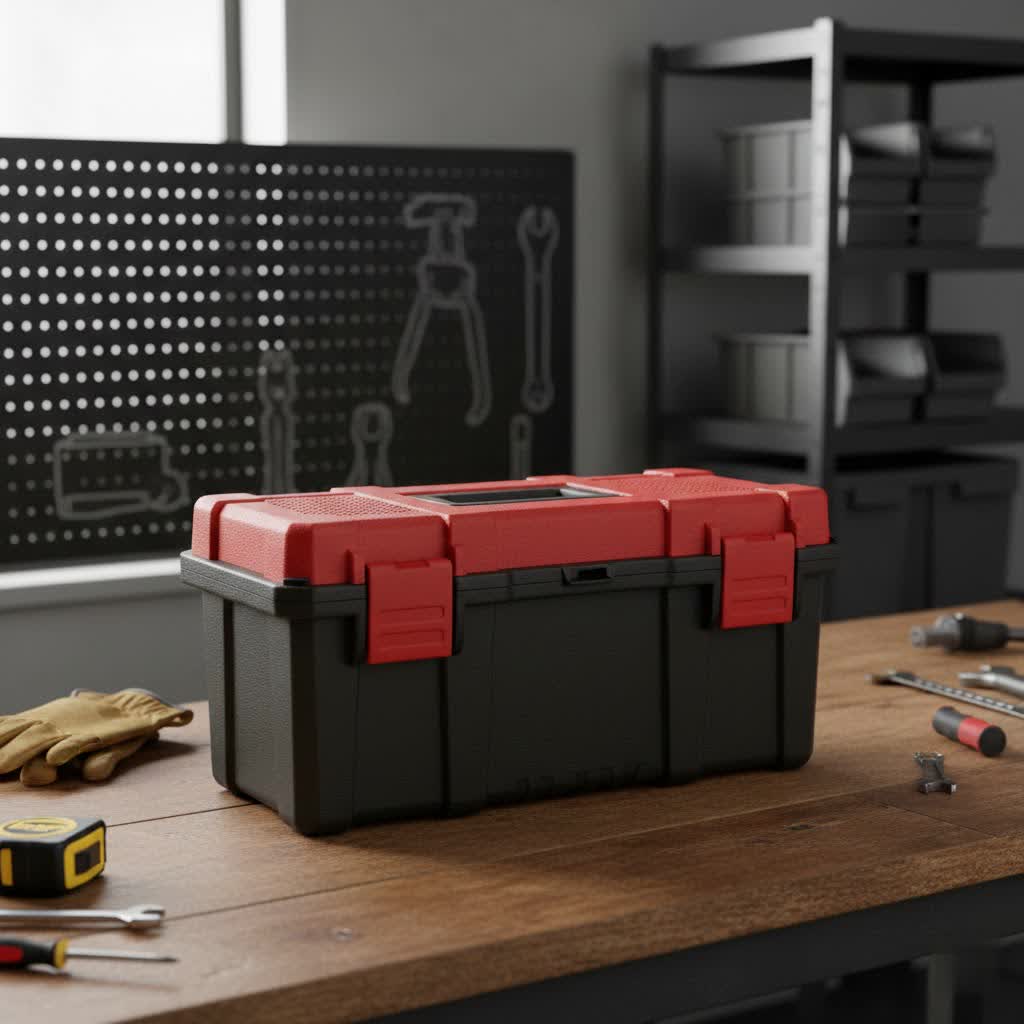
Keeping your tools organized, protected, and accessible is paramount for any craftsman, mechanic, or DIY enthusiast. A rolling tool box with drawers offers the ultimate solution, transforming static storage into a dynamic, mobile workstation. Imagine effortlessly bringing every essential tool right to your project, whether it’s across the garage or to a job site. This comprehensive guide will navigate you through the world of rolling tool boxes, helping you choose the perfect model to elevate your efficiency and organization.
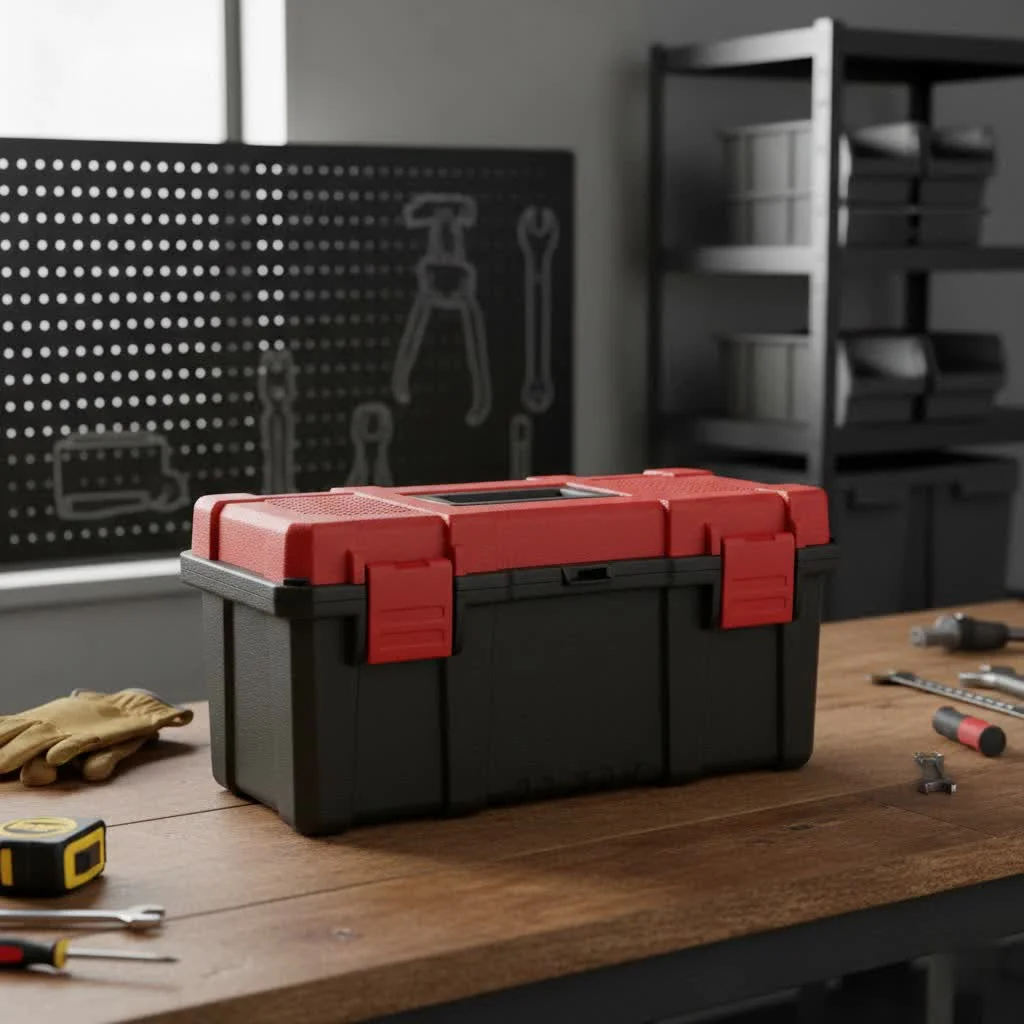
A rolling tool box with drawers isn’t just a container; it’s a strategic investment in your productivity. These mobile units combine the generous storage of a traditional tool chest with the invaluable benefit of portability, ensuring that your screwdrivers, wrenches, power tools, and small parts are always neatly arranged and within arm’s reach. They minimize trips back and forth, reduce clutter, and provide a secure environment for your valuable equipment, ultimately saving you time and effort on every task.
Popular Types of Rolling Tool Boxes with Drawers
The market offers a diverse range of rolling tool boxes, each designed to cater to specific needs and preferences. Understanding the different types available is the first step in making an informed decision.
-
Rolling Tool Chests with Drawers: These are often the most robust and spacious options, featuring multiple deep drawers suitable for a vast array of tools, from hand tools to larger power tools. Typically constructed from heavy-gauge steel, they are built for durability in professional environments like mechanic shops and industrial settings. Their primary advantage lies in their expansive storage capacity and exceptional strength, though their size and weight can sometimes limit mobility on uneven terrain.
-
Modular Rolling Tool Boxes: Offering unparalleled customization, modular systems consist of individual tool boxes, organizers, and chests that can securely stack and interlock. These systems, like the popular Milwaukee Packout or DeWalt ToughSystem, often include a rolling base with drawers. They are ideal for professionals who need to transport specific sets of tools to different job sites, allowing users to configure their storage solution based on the task at hand. The flexibility to add or remove components makes them highly adaptable.
-
Rolling Workbenches with Drawers: Combining tool storage with a functional work surface, these units are perfect for garages or workshops where space is at a premium. They typically feature a sturdy tabletop (often wood or stainless steel) above a cabinet of drawers and sometimes open shelving. This hybrid design allows you to work directly on the unit while keeping frequently used tools readily available, enhancing workflow and reducing clutter on your main workbench.
The material of your rolling tool box significantly impacts its durability, weight, and price. Heavy-duty steel, often cold-rolled and powder-coated, is the gold standard for professional-grade chests, offering superior strength and resistance to rust, corrosion, and impact. For lighter use or extreme portability, some modular systems incorporate high-impact plastic, which provides water resistance and reduces overall weight, making them easier to maneuver.
Comparison Table: Key Features of Rolling Tool Boxes
Choosing the right rolling tool box involves weighing various features against your specific needs. This table provides a quick comparison of common types.
| Feature | Rolling Tool Chests | Modular Rolling Systems | Rolling Workbenches with Drawers |
|---|---|---|---|
| Material | Heavy-gauge steel (cold-rolled, powder-coated) | High-impact plastic, sometimes steel components | Steel frame, often wood or stainless steel top |
| Drawers | Multiple, deep, full-extension, ball-bearing slides | Configurable stack of various drawer units & organizers | Multiple, often larger capacity, full-extension |
| Mobility | Heavy-duty casters (lockable), can be very heavy | Modular base with sturdy wheels, highly portable | Robust casters, designed for garage/workshop movement |
| Security | Integrated locking systems, often central lock | Individual or system-wide locking mechanisms | Central locking for drawers, sometimes overhead storage |
| Customization | Limited, fixed structure | High, interchangeable components | Moderate, typically fixed workbench design |
| Best Use Case | Permanent workshop storage, heavy tool collections | On-site jobs, specialized tool kits, evolving needs | Garages, small workshops, integrated workspace |
Reputable Rolling Tool Box Brands
When investing in a rolling tool box, brand reputation often correlates with quality, durability, and customer support. Several manufacturers have established themselves as leaders in the tool storage industry.
- Milwaukee: Renowned for their innovative PACKOUT modular system, Milwaukee offers highly durable, weather-sealed rolling bases and drawer units that interlock seamlessly. Their focus on job site compatibility and robust construction makes them a favorite among contractors and tradespeople.
- DeWalt: With their ToughSystem 2.0, DeWalt provides a robust and versatile modular storage solution. Their rolling boxes are known for their heavy-duty construction, IP65 rated dust and water seals, and adaptable components, making them suitable for demanding environments.
- ToughBuilt: The StackTech system by ToughBuilt is gaining traction for its innovative design, strong interlocking mechanisms, and wide range of storage components, including rolling drawer units. They emphasize user-centric features and robust build quality.
- Husky: Available predominantly at Home Depot, Husky offers a range of durable rolling tool chests and cabinets that provide excellent value. Their heavy-duty series is popular for home garages and professional use, featuring sturdy steel construction and smooth-gliding drawers.
- Craftsman: A long-standing name in tools, Craftsman offers reliable and affordable rolling tool chests, particularly their S2000 series. These provide solid construction and ample storage, appealing to both DIYers and budget-conscious professionals.
- Klein Tools: Known for electrician’s tools, Klein’s MODbox system brings modularity with a focus on durability and unique accessory attachment points. Their rolling drawer boxes often feature enhanced security and robust construction.
- Ridgid: The Pro Gear system by Ridgid offers a sturdy and cost-effective modular solution. Their rolling boxes are recognized for good durability and practical features for mobile users.
- Dragonfire Tools: Specializing in heavy-duty solutions, Dragonfire Tools offers professional-grade rolling tool boxes with a high number of drawers, focusing on maximum storage, organization, and rugged durability for mechanics and industrial use.
Top 5 Rolling Tool Boxes with Drawers Favored by Users
Choosing from the vast array of options can be daunting. Here are five highly-rated rolling tool boxes with drawers that consistently impress users with their performance and features.
- Milwaukee PACKOUT 2-Drawer Tool Box: As part of the highly acclaimed PACKOUT system, this rolling drawer unit stands out for its extreme durability and seamless modularity. It features impact-resistant polymers, metal reinforced corners, and an IP65 rated weather seal to protect tools from job site conditions. The smooth-gliding drawers include an anti-tip latching mechanism, and the entire unit can be stacked and locked with other PACKOUT components for a customized mobile workshop. It is favored by professionals for its ruggedness and adaptability.
- DeWalt ToughSystem 2.0 Rolling Tool Box with Drawers: This system provides exceptional robustness and organization. The rolling base is designed with durable 8-inch wheels for easy maneuverability over rough terrain, and its two deep drawers offer ample storage, often with removable dividers. Like Milwaukee, it boasts an IP65 rating for dust and water protection and integrates seamlessly with other ToughSystem 2.0 components. Users appreciate its secure latches and overall durability.
- ToughBuilt StackTech Rolling Drawer Box: An emerging contender, ToughBuilt’s StackTech offers innovative features such as a universal side-rail system for attaching accessories and a robust self-aligning interlocking mechanism. Their rolling drawer boxes are praised for their heavy-duty construction, smooth drawer operation, and the unique ability to create highly personalized storage setups. It’s an excellent choice for those seeking cutting-edge design and strong performance.
- Husky Heavy-Duty 5-Drawer Mobile Workbench: For those needing a blend of storage and workspace, Husky’s mobile workbench is a fantastic option. It features a solid wood top, providing a durable work surface, combined with five robust drawers for tool organization. The heavy-duty casters ensure smooth movement around the garage or workshop, and its all-steel construction offers lasting durability. It’s a popular choice for home mechanics and serious DIYers looking for a comprehensive solution.
- Craftsman S2000 26-Inch 5-Drawer Tool Chest Combo: This unit provides excellent value, offering a solid entry into rolling tool storage. It typically includes a top chest and a rolling cabinet, both with multiple drawers for efficient organization. Constructed from durable steel, it’s a reliable choice for general garage use and light professional work. Users often highlight its affordability combined with respectable build quality and sufficient storage capacity for common tool sets.
Guide to Choosing the Right Rolling Tool Box
Selecting the ideal rolling tool box with drawers requires careful consideration of several factors to ensure it meets your specific needs and workflow.
Capacity and Size
|
Our Picks for the Best Tool Box in 2026
As an Amazon Associate I earn from qualifying purchases.
|
||
| Num | Product | Action |
|---|---|---|
| 1 | DEWALT 192 Pcs. Mechanics Tool Set, 1/2, 1/4, 3/8 Socket Set, SAE and Metric Socket Wrench Set, Hard Shell Tool Box (DWMT75049) |

|
| 2 | VEVOR Mechanics Tool Set, 308-Piece Mechanic Tool Kit, 1/4 in, 3/8 in, and 1/2 in Drive, SAE and Metric Socket Set, Wrenches, Screwdriver Bits, Accessories, and Storage Case, for Automotive Repair |
|
| 3 | CRAFTSMAN Tool Box, Lockable, 16 in., Red/Black (CMST16901) |
|
| 4 | DEWALT TSTAK Tool Box, Deep, Long Handle, Extra Large Design, Fixed Divider for Tool Organization, Water and Debris Resistant (DWST17814) |
|
| 5 | Tidy Tool Organizer for 20V Brushless Drill and Packout Compact Tool Box |
|
| 6 | DEWALT TSTAK Tool Box, Extra Large Design, Removable Tray for Easy Access to Tools, Water and Debris Resistant (DWST17806) |
|
| 7 | Heavy Duty Tool Bag 15-Inch, 16-Pocket Portable Empty Tool Box Organizer, Big Storage Toolbox Organization, Soft Handle Large Zipper Carrying Toolbag, Valentines Day Gifts for Him Dad Men, Green |
|
| 8 | CRAFTSMAN Tool Box, Tool Storage, Lockable, Black, 16 Inch (CMST16005) |
|
| 9 | Keter Stack N’ Roll 3-Piece Rolling Tool Box System – Stackable Modular Tool Organizer with Wheels, Clear Lid Small Parts Storage & Locking Latches for Garage, Workshop & DIY |
|
| 10 | beyond by BLACK+DECKER BLACK+DECKER BDST60500APB Stackable Storage System - 3 Piece Set (Small, Deep Toolbox, and Rolling Tote) |
|
Start by assessing the quantity and type of tools you own or plan to acquire. Do you need deep drawers for power tools like drills and circular saws, or primarily shallow compartments for wrenches, sockets, and screwdrivers? Consider both the internal volume (cubic inches) and the weight capacity (pounds) of the drawers and the entire unit. A larger rolling tool chest might be perfect for a stationary workshop, while a more compact, stackable system is better for mobility.
Material and Durability
The material largely dictates the tool box’s longevity and resilience.
- Steel: For heavy-duty use, professional settings, or storing valuable tools, cold-rolled steel with a powder-coated finish is highly recommended. Look for thicker steel gauges (lower numbers indicate thicker steel) for superior strength, impact resistance, and protection against rust and corrosion.
- High-Impact Plastic: Often found in modular systems, plastic offers a lighter, water-resistant alternative. While not as robust as steel for extreme impacts, quality plastic designs can withstand demanding job site conditions and are easier to transport.
Mobility Features
The effectiveness of a rolling tool box hinges on its wheels and handles.
- Wheels (Casters): Look for heavy-duty casters, preferably 4-inch or larger, especially if you’ll be moving the box over uneven surfaces. Swivel casters (often two) provide maneuverability, while rigid casters (the other two) offer stability. All-terrain wheels are beneficial for outdoor or rough job site use.
- Locking Mechanisms: Ensure at least two of the wheels are lockable to keep the unit stationary and secure when working.
- Handles: An ergonomic, sturdy handle (or multiple handles) is crucial for comfortable pushing or pulling. Some modular systems feature telescopic handles for easy transport.
Drawer Features and Functionality
The quality and design of the drawers are central to organization and ease of use.
- Drawer Slides: Ball-bearing slides are superior to friction slides, offering smooth, full-extension operation, even when heavily loaded. This allows complete access to tools at the back of the drawer.
- Liners: Anti-slip drawer liners prevent tools from rolling around and scratching the drawer bottoms.
- Locking System: Many rolling tool boxes feature a central locking system that secures all drawers with a single key or mechanism. Individual drawer locks or an interlocking system that prevents multiple drawers from opening simultaneously (to prevent tipping) are also valuable.
- Drawer Depth: A variety of drawer depths allows for optimal storage of different tool sizes.
Security
Protecting your valuable tools is essential. Look for robust locking mechanisms, tamper-proof designs, and potentially steel-reinforced locking points. Some systems offer cable compatibility to secure multiple stacked units together.
Budget
Rolling tool boxes vary widely in price. Determine your budget but remember that investing in a higher-quality unit often translates to greater durability and better long-term value.
Specific Use Cases
- Mechanics: Require heavy-duty, multi-drawer steel chests with deep drawers for sockets, wrenches, and diagnostic tools. Look for high weight capacity.
- Electricians: Often benefit from compact, stackable modular systems that are easy to transport between job sites and offer organized compartments for small parts.
- DIY Enthusiasts/Homeowners: Might find a mid-range steel rolling chest or a robust plastic modular system sufficient for their needs, prioritizing versatility and reasonable capacity.
Tips for Organizing and Maintaining Your Rolling Tool Box
A well-organized and maintained rolling tool box not only extends its lifespan but also significantly boosts your efficiency.
Strategic Organization
- Categorize Tools: Group similar tools together. Dedicate specific drawers or compartments to hand tools (wrenches, screwdrivers), power tools, fasteners, and measurement devices.
- Use Drawer Liners: Anti-slip drawer liners are essential to keep tools from shifting during transport and protect both your tools and the drawer interior.
- Dividers and Trays: Utilize drawer dividers, small parts organizers, and custom-cut foam inserts to create dedicated spots for each tool, maximizing space and preventing clutter.
- Label Everything: Clearly label drawers or sections, especially in larger chests, so you can quickly locate what you need.
- Vertical Storage: Consider magnetic strips or pegboards on the exterior of your tool box or an adjacent wall for frequently used items.
Essential Maintenance
- Regular Cleaning: Wipe down the exterior and interior of your tool box regularly to remove dust, grease, and debris. For steel boxes, this prevents rust buildup.
- Lubricate Drawer Slides: Periodically apply a dry lubricant to ball-bearing drawer slides to ensure smooth operation and prevent sticking.
- Check Wheels and Casters: Inspect the wheels for wear and tear. Clean any accumulated debris from the casters and lubricate as needed. Ensure wheel locks are functioning correctly.
- Inspect Locks and Latches: Verify that all locking mechanisms and latches are in good working order. Lubricate if they feel stiff.
- Avoid Overloading: Adhere to the manufacturer’s weight capacity limits for both individual drawers and the entire unit to prevent damage and ensure safe mobility.
- Weather Protection: If using your rolling tool box outdoors or in a damp environment, ensure it has proper weather sealing. Store it in a dry place when not in use to prolong its life.
Where to Purchase Rolling Tool Boxes
Finding the right rolling tool box involves knowing where to look. Both online and physical retailers offer a wide selection, often with different benefits.
- Large Retailers: Stores like The Home Depot, Lowe’s, and Tractor Supply Co. carry a vast inventory of rolling tool boxes from popular brands like Husky, Craftsman, DeWalt, and Milwaukee. Shopping in person allows you to inspect the build quality, test drawer slides, and assess the size and weight firsthand. They often have sales and offer warranties.
- Online Marketplaces: Amazon, Walmart, and specialty tool websites (e.g., ToolGuyd, Pro Tool Reviews, individual brand websites) provide an even broader selection, competitive pricing, and the convenience of home delivery. Always check customer reviews and return policies when purchasing online.
- Specialty Tool Suppliers: For professional-grade, high-end rolling tool chests, consider dedicated tool suppliers or the official websites of brands like Snap-on, Mac Tools, or Dragonfire Tools. These often offer superior quality, specialized features, and comprehensive warranties, albeit at a higher price point.
When comparing options, look beyond the initial price. Consider shipping costs, warranty length, and the ease of returns. Customer service and brand reputation can be invaluable if you encounter any issues down the line. Keep an eye out for seasonal sales or bundle deals that can offer significant savings on quality tool storage solutions.
Conclusion
A rolling tool box with drawers is more than just a storage container; it’s a fundamental element for an efficient, organized, and professional workspace. By providing unparalleled mobility and systematic organization, it empowers you to work smarter, not harder. Whether you’re a seasoned mechanic requiring heavy-duty steel, an electrician needing a modular system for on-site versatility, or a dedicated DIYer seeking robust storage for your home garage, there’s a perfect rolling tool box waiting for you.
Investing in the right rolling tool box means selecting a unit that balances durability, capacity, mobility, and security with your specific operational needs and budget. Prioritize features like smooth ball-bearing drawer slides, sturdy wheels, reliable locking mechanisms, and the right material for your environment. With thoughtful organization and regular maintenance, your rolling tool box will serve as a cornerstone of your toolkit for years to come. What kind of project will your perfectly organized, mobile workshop tackle next?
Frequently Asked Questions
What is the advantage of a rolling tool box with drawers over a traditional stationary tool chest?
A rolling tool box offers mobility, allowing you to bring your tools directly to the work area, which significantly reduces trips and increases efficiency. Drawers provide superior organization for various tool sizes, while the wheels make it easy to rearrange your workspace or transport tools between locations.
What materials are best for rolling tool boxes, and why?
Heavy-gauge steel, often cold-rolled and powder-coated, is ideal for durability, impact resistance, and corrosion protection, especially for professional use. High-impact plastic is lighter and often water-resistant, making it suitable for modular systems and situations where portability is a priority.
How many drawers should I look for in a rolling tool box?
The ideal number of drawers depends on your tool collection. Mechanics often need numerous drawers of varying depths for different tool sets. For general use, a mix of shallow drawers for small items and deeper ones for larger tools or power tools is usually most efficient.
Can rolling tool boxes be locked for security?
Yes, most rolling tool boxes with drawers come with integrated locking systems, often a central lock that secures all drawers. Higher-end models may feature steel-reinforced locking points or cable compatibility for enhanced security against theft, particularly on job sites.
Are modular rolling tool box systems worth the investment?
Modular systems like Milwaukee PACKOUT or DeWalt ToughSystem are highly recommended for professionals who require customizable, stackable, and easily transportable tool storage. Their ability to adapt to different job needs and their robust, weather-resistant construction make them a valuable investment despite a higher initial cost.
How do I maintain the wheels and drawers of my rolling tool box?
Regularly clean the wheels and casters to remove debris, and lubricate the ball-bearing drawer slides with a dry lubricant for smooth operation. Periodically check all locking mechanisms and ensure they function correctly to maintain both security and mobility.
What should I consider if I need a rolling tool box for outdoor use?
For outdoor use, prioritize models with durable, all-terrain wheels, weather-sealed construction (e.g., IP65 rating), and a powder-coated steel finish for superior rust and corrosion resistance. These features will protect your tools from the elements and ensure smooth movement on rough surfaces.
Get our weekly buyer guide
Practical specs, not advice. Unsubscribe anytime.
