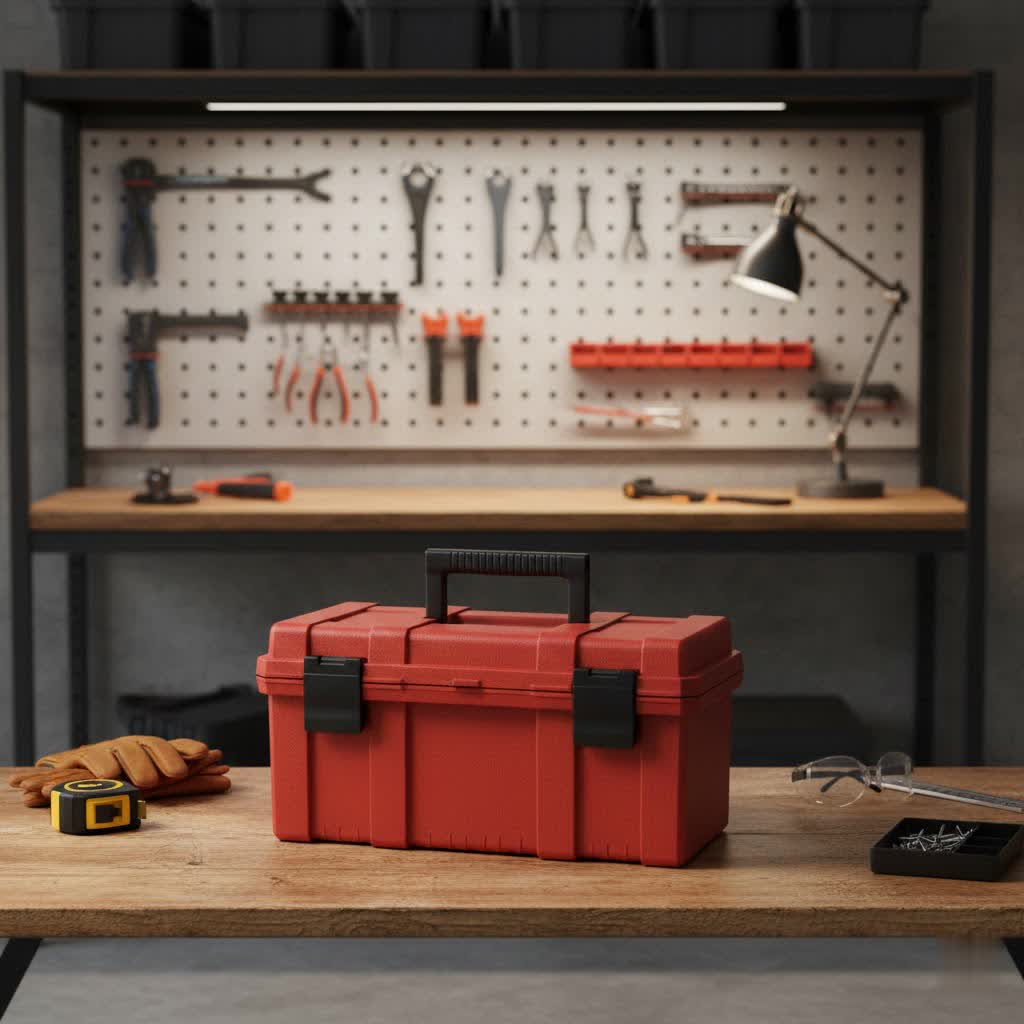
Are you tired of lugging heavy toolboxes around, or perhaps you constantly misplace essential equipment in a cluttered workshop? Managing a comprehensive collection of tools can be a formidable challenge, especially when work takes you across different locations or even just across your garage. The solution lies in a robust and intelligently designed rolling tool box, an indispensable asset that transforms how you organize, transport, and access your gear. This guide will walk you through everything you need to know about selecting the perfect rolling tool box, with a special focus on systems that efficiently store and help you manage your entire tool collection.
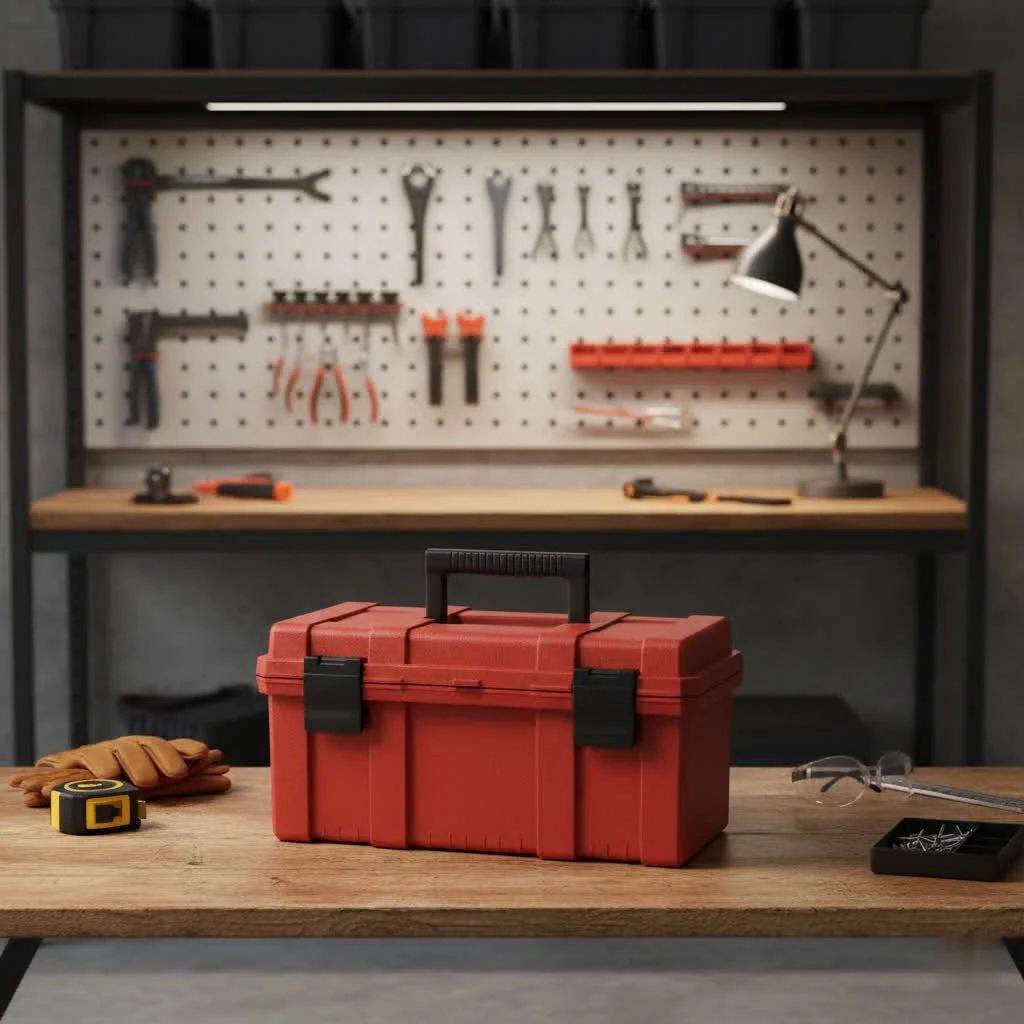
Types of Rolling Tool Boxes for Every Need
Rolling tool boxes come in various designs, each catering to specific needs, from the dedicated professional to the enthusiastic DIYer. Understanding the distinctions helps in choosing the right mobile storage solution.
Rolling Tool Chests
These are often multi-drawer units, typically constructed from steel, offering heavy-duty storage for a vast array of tools. Ideal for garage or workshop settings, they provide substantial capacity and can often serve as a stable workbench. Their sturdy construction ensures durability for years of use, making them a cornerstone for any serious tool collection.
Modular Stackable Systems
Brands like Milwaukee Packout and DeWalt ToughSystem have revolutionized tool storage with modular systems. These consist of individual boxes, organizers, and rolling bases that interlock, allowing you to customize your setup. You can stack and unstack components as needed, taking only the tools required for a specific task. They often feature robust, impact-resistant polymer construction and excellent weather sealing, perfect for job sites.
Rolling Tool Bags
For those who prioritize flexibility and lighter loads, rolling tool bags offer a compelling alternative. Made from heavy-duty fabric, these bags often come with numerous pockets and compartments, providing superior organization for hand tools and smaller power tools. Their integrated wheels and telescopic handles make them highly portable, especially suitable for navigating tight spaces or public transport.
Tool Carts
Characterized by their open storage design, tool carts are excellent for quickly moving larger power tools, equipment, or materials. While some may include a few drawers, their primary advantage is accessibility and capacity for bulkier items. They are often found in auto repair shops or woodworking studios where tools are frequently accessed and moved.
Workbench Toolboxes
Combining storage with a functional workspace, workbench toolboxes feature a durable top surface, often made of wood or heavy-gauge steel. These are perfect for tasks requiring a stable platform, while the drawers below keep tools organized and within reach. They are a hybrid solution, offering both extensive storage and an immediate work area, making them a great fit for home garages or small workshops.
Comparing Popular Rolling Tool Box Types
Choosing the right rolling tool box means weighing different characteristics against your specific requirements. Here’s a comparison to help you decide:
| Feature | Rolling Tool Chest | Modular Stackable System | Rolling Tool Bag | Tool Cart |
|---|---|---|---|---|
| Material | Steel, sometimes wood | Impact-Resistant Polymer | Heavy-duty Polyester Fabric | Steel, some plastic |
| Capacity | High to Very High | Medium to High (custom) | Low to Medium | Medium to High |
| Portability | Good (4 casters), heavy | Excellent (2 large wheels/casters) | Excellent (2 wheels), lightweight | Good (4 casters) |
| Durability | Very High | Very High | Medium | High |
| Organization | Many drawers, large compartments | Highly customizable (various boxes) | Many pockets, main compartment | Open, some drawers/trays |
| Security | Often lockable | Often padlock eye, robust latches | Less secure, some zippers | Less secure, open access |
| Common Use | Garage, workshop, heavy-duty storage | Job site, mobile professionals, varied tasks | Mobile technicians, light DIY | Workshop, large item transport |
Leading Brands and Highly-Rated Models
The market for rolling tool boxes is rich with reputable brands, each offering innovative features and designs. Here are some of the most recognized and highly-rated options:
- Milwaukee Packout: Celebrated for its robust, modular, and customizable stacking system. The Packout series features impact-resistant polymer construction, heavy-duty latches, and excellent weather resistance, making it a favorite among professionals.
- DeWalt ToughSystem 2.0: Another professional-grade modular system, offering excellent durability, dust and water resistance, and a straightforward interlocking mechanism. It’s often praised for its balance of affordability and functionality within the modular category.
- Craftsman: A long-standing name in tools, Craftsman offers a variety of rolling toolboxes, from large-capacity plastic models perfect for bulky power tools to steel rolling cabinets with high weight capacities and soft-close drawers.
- Husky: Available through major retailers, Husky provides a range of good-value rolling tool storage solutions, including mobile workbenches and tool carts, often praised for their solid construction at an accessible price point.
- US General (Harbor Freight): Known for offering professional-grade features at competitive prices, US General tool chests and cabinets are highly regarded for their durability and functionality, particularly among mechanics and industrial maintenance workers.
- MARUTAI 18” Rolling Tool Bag: For those needing a compact and highly portable solution, this rolling tool bag stands out with excellent user ratings, offering a unique design that combines the flexibility of a bag with the ease of wheels.
- On Shine 8 Drawer Rolling Tool Chest: This model highlights the consumer preference for high-capacity drawer systems, leading sales charts due to its extensive organization potential and sturdy build.
“A rolling tool box is more than just storage; it’s an extension of your workflow, bringing organization and efficiency right to where you need it most.” – [Your Name/Role as Admin of reviewtatca.com], Tool Box Expert
How to Choose the Right Rolling Tool Box for Your Needs
Selecting the perfect rolling tool box involves a thoughtful assessment of several key factors to ensure it meets your specific demands.
Capacity and Size
|
Our Picks for the Best Tool Box in 2026
As an Amazon Associate I earn from qualifying purchases.
|
||
| Num | Product | Action |
|---|---|---|
| 1 | Keter Stack N’ Roll 3-Piece Rolling Tool Box System – Stackable Modular Tool Organizer with Wheels, Clear Lid Small Parts Storage & Locking Latches for Garage, Workshop & DIY |

|
| 2 | Tidy Tool Organizer for 20V Brushless Drill and Packout Compact Tool Box |
|
| 3 | VEVOR Mechanics Tool Set, 308-Piece Mechanic Tool Kit, 1/4 in, 3/8 in, and 1/2 in Drive, SAE and Metric Socket Set, Wrenches, Screwdriver Bits, Accessories, and Storage Case, for Automotive Repair |
|
| 4 | DEWALT 192 Pcs. Mechanics Tool Set, 1/2, 1/4, 3/8 Socket Set, SAE and Metric Socket Wrench Set, Hard Shell Tool Box (DWMT75049) |
|
| 5 | DEWALT TSTAK Tool Box, Deep, Long Handle, Extra Large Design, Fixed Divider for Tool Organization, Water and Debris Resistant (DWST17814) |
|
| 6 | CRAFTSMAN Tool Box, Tool Storage, Lockable, Black, 16 Inch (CMST16005) |
|
| 7 | DEWALT TSTAK Tool Box, Extra Large Design, Removable Tray for Easy Access to Tools, Water and Debris Resistant (DWST17806) |
|
| 8 | Heavy Duty Tool Bag 15-Inch, 16-Pocket Portable Empty Tool Box Organizer, Big Storage Toolbox Organization, Soft Handle Large Zipper Carrying Toolbag, Valentines Day Gifts for Him Dad Men, Green |
|
| 9 | CRAFTSMAN Tool Box, Lockable, 16 in., Red/Black (CMST16901) |
|
| 10 | beyond by BLACK+DECKER BLACK+DECKER BDST60500APB Stackable Storage System - 3 Piece Set (Small, Deep Toolbox, and Rolling Tote) |
|
Begin by evaluating your current tool collection and anticipating future acquisitions. Consider the dimensions of your largest power tools, long-handled instruments, and the sheer volume of smaller hand tools, fasteners, and accessories. A larger box isn’t always better; choose one that offers adequate space without occupying excessive room in your workshop or vehicle. Look for internal measurements and compare them against your tools to ensure a snug fit.
Portability and Wheel Design
Where will you primarily use your tool box?
- For workshop or garage use on flat surfaces, a model with four swiveling casters provides excellent maneuverability. Ensure at least two casters are lockable for stability.
- For navigating uneven terrain, job sites, or outdoor projects, a two-wheeled trolley-style option with larger, sturdier wheels and a lower center of gravity will perform better, easily rolling over obstacles.
- Consider the handle: Is it ergonomic, extendable, and robust enough to handle the full weight of your loaded box?
Material and Durability
The longevity and protection offered by your tool box largely depend on its construction material:
- Steel: Offers superior strength and resilience, tending to dent rather than crack. However, it can be prone to rust if protective coatings chip. Ideal for heavy-duty use.
- Impact-Resistant Plastic (Polypropylene/Polymer): Lighter than steel, excellent for impact resistance, and naturally rust-proof. It’s a top choice for outdoor use or when weight is a concern, though it might crack under extreme stress.
- Heavy-Duty Fabric: Primarily for rolling tool bags, offering the lightest option. Provides good protection against scrapes and minor impacts but less structural rigidity than hard-sided options.
Organization and Features
A good rolling tool box is about more than just space; it’s about smart organization.
- Drawers and Compartments: Look for multiple drawers of varying depths, internal dividers, and small parts organizers to keep everything in its place.
- Modularity: Modular systems allow you to customize and expand your storage as your needs grow, letting you take only what’s necessary for each task.
- Integrated Work Surface: A flat top surface can be incredibly useful as a temporary workbench, especially on job sites or in compact spaces.
- Power Access: Some high-end models offer integrated power strips and USB ports, a game-changer for charging tools or running small electronics.
- Security: Locking mechanisms, whether a key lock or a reinforced eye for a padlock, are crucial for protecting valuable tools.
Budget
Rolling tool boxes range widely in price. Determine your budget, but consider it an investment. A more durable and functional box will save you time and frustration in the long run. Balance features with cost, and remember that sometimes, a slightly higher initial investment means better quality and longevity.
Tips for Organizing and Maintaining Your Rolling Tool Box
Once you’ve chosen your rolling companion, proper organization and maintenance will ensure it serves you efficiently for years.
Smart Organization
- Categorize: Group similar tools together. All wrenches in one drawer, all screwdrivers in another, power tool accessories in a dedicated compartment.
- Utilize Dividers and Trays: Use drawer liners, plastic bins, or custom dividers to prevent tools from shifting and clanging, making them easier to find and protecting their finish.
- Heavy Items on Bottom: Store heavier tools and equipment in the lower drawers or compartments to maintain stability and prevent the box from tipping.
- Most Used on Top: Keep frequently used tools in easily accessible top drawers or compartments.
- Labeling: For multi-drawer chests, consider labeling drawers to quickly identify contents.
Maintenance for Longevity
- Regular Cleaning: Wipe down your tool box regularly, inside and out, to remove dust, grease, and grime. This prevents accumulation that can damage tools or mechanisms.
- Lubricate Moving Parts: Periodically lubricate drawer slides, hinges, and wheel bearings with appropriate grease or oil to ensure smooth operation and prevent rust.
- Inspect Wheels and Handles: Check wheels for wear and tear, ensuring they roll freely and locks engage properly. Inspect handles for any damage or looseness.
- Protect from Elements: If your tool box is made of steel, ensure any chips or scratches in the paint are touched up to prevent rust. For all materials, avoid prolonged exposure to harsh weather unless the box is specifically rated for outdoor use.
- Secure Latches: Always ensure latches are properly secured before moving your rolling tool box to prevent spills and potential damage.
Where to Purchase Your Rolling Tool Box
Finding the ideal rolling tool box can be an exciting part of upgrading your workspace. Here are some of the best places to look:
- Large Retailers: Stores like Home Depot and Lowe’s offer a wide selection of rolling tool chests, carts, and modular systems from popular brands such as Husky, Craftsman, and DeWalt. They often have floor models you can inspect in person.
- Online Marketplaces: Amazon, Walmart, and other large online platforms provide an enormous range of options from various brands, often at competitive prices. This is an excellent way to compare features, read user reviews, and find niche products.
- Specialty Tool Suppliers: For professional-grade equipment, consider suppliers like Grainger or dedicated brand websites (e.g., Milwaukee Tool, DeWalt). These sources often carry the highest quality and most specialized options, though they may come with a higher price tag.
- Automotive and Hardware Stores: Smaller hardware stores or automotive supply shops might carry a more limited but curated selection, especially for specific needs like mechanic’s tool carts.
When buying online, always verify return policies and shipping costs. Reading customer reviews, especially those with photos, can offer valuable insights into the product’s real-world performance and quality.
Conclusion
A rolling tool box with a smart approach to tool organization is more than just a storage unit; it’s a productivity enhancer for any craftsperson or DIY enthusiast. By offering unparalleled mobility, superior organization, and robust protection, it ensures your essential tools are always precisely where you need them, when you need them. From heavy-duty steel chests to customizable modular systems and portable rolling bags, the perfect solution exists for every scenario. Remember to consider capacity, portability, material, and organizational features when making your choice. Investing in the right rolling tool box means investing in efficiency, longevity for your tools, and a more streamlined workflow.
What features do you value most in a rolling tool box, and how has it transformed your work?
Frequently Asked Questions
Should I choose a 2-wheeled or 4-wheeled rolling tool box?
Choose a 2-wheeled option for navigating rough or uneven terrain, as they offer better maneuverability over obstacles. Opt for a 4-wheeled model with casters for smooth, flat surfaces like a garage floor, providing easy gliding and stability.
Are rolling tool boxes typically sold with tools included?
Most high-quality rolling tool boxes are sold empty, allowing users to fill them with their specific tool collections. While some smaller, entry-level kits or rolling tool bags might include a basic set of tools, professional-grade rolling chests and modular systems are designed for custom outfitting.
What’s the best material for a durable rolling tool box?
Steel offers exceptional strength and dent resistance, ideal for heavy workshop use, though it requires protection against rust. Impact-resistant polymer (plastic) provides excellent durability against impacts, is lighter, and rust-proof, making it great for job sites or outdoor use.
How important are locking mechanisms on a rolling tool box?
Locking mechanisms are highly important for security, especially if you store valuable tools or work on job sites where theft can be a concern. Look for robust key locks or reinforced padlock eyes to protect your investment.
Can modular rolling tool systems be customized?
Yes, modular rolling tool systems like Milwaukee Packout and DeWalt ToughSystem are designed for extensive customization. They allow you to interlock various components, such as different-sized boxes, organizers, and rolling bases, to create a personalized setup that perfectly suits your tool collection and workflow.
Get our weekly buyer guide
Practical specs, not advice. Unsubscribe anytime.
