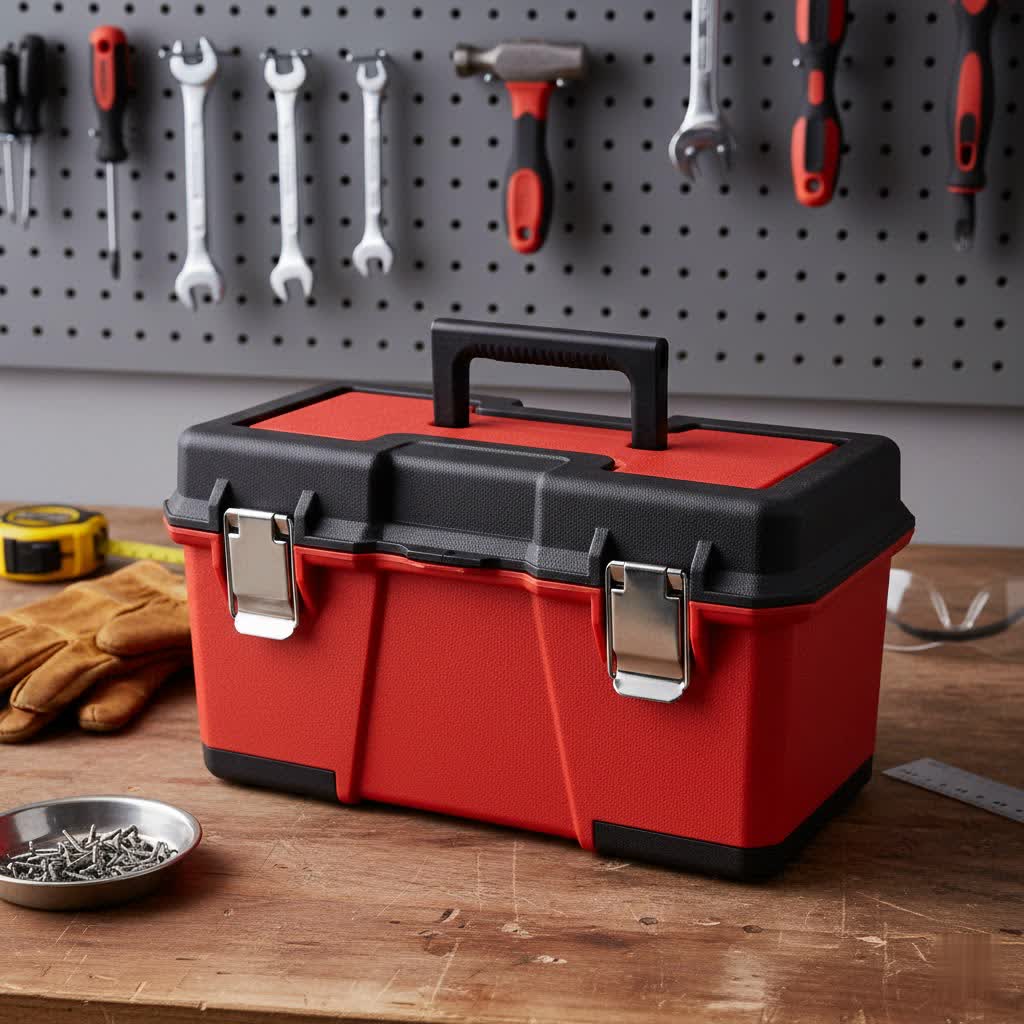
For every DIY enthusiast or seasoned professional, a well-organized tool storage box is more than just a container; it’s the cornerstone of efficiency and a shows craftsmanship. Imagine the frustration of rummaging through a cluttered mess when you need that specific wrench, or the wasted time searching for a drill bit. The right tool storage box not only safeguards your valuable equipment but also transforms your workflow, ensuring you always have the right tool at your fingertips.
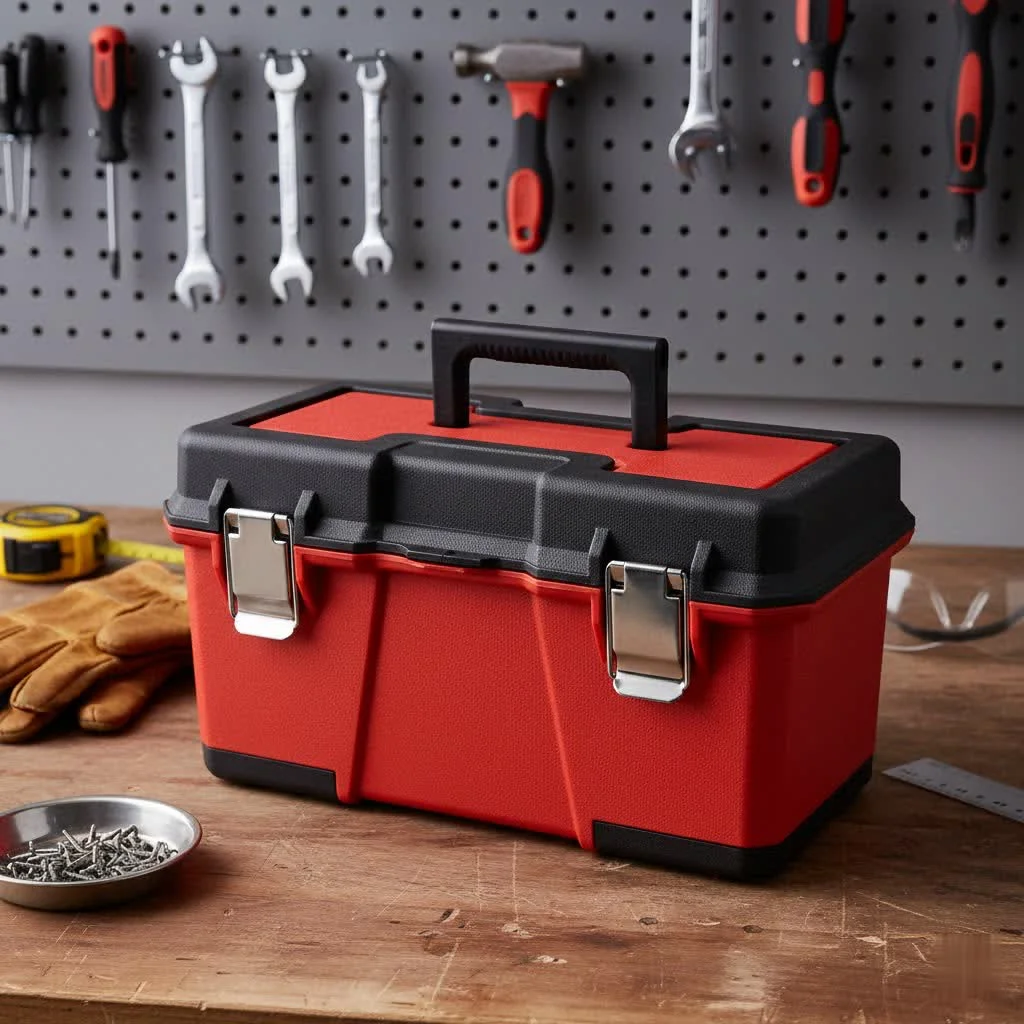
This comprehensive guide will walk you through the diverse world of tool storage boxes, helping you understand their types, materials, and essential features. We’ll explore top brands, highlight popular models, and provide expert advice on how to select the perfect box to match your needs. You’ll discover clever strategies to organize and maintain your tools, extending their lifespan and enhancing your productivity. For explore our tool box reviews on this site.
Popular Types of Tool Storage Boxes
Tool storage comes in a many forms, each designed to cater to specific needs, from portability to robust workshop integration. Understanding the distinctions between them is the first step in finding your ideal solution.
Hand Carry Toolboxes
The classic hand-carry toolbox remains a staple for many. These are typically single-unit boxes with a top handle, often featuring a main compartment and a removable tray for smaller items. They are ideal for quick jobs around the house or for those who need to transport a limited set of essential tools.
- Plastic Toolboxes: These are lightweight, resistant to dents and rust, and won’t dull sharp tools. They often come with internal organizers or removable compartments with snapping lids, making them excellent for fasteners and small parts. However, their durability can vary, and cheaper models might not withstand heavy abuse.
- Metal Toolboxes: Often made from steel or aluminum, metal toolboxes offer superior durability and can handle significant weight. Steel is affordable but can rust if scratched, while stainless steel and aluminum provide better rust resistance at a higher cost. They are robust and reliable for heavy-duty use.
Tool Chests
Tool chests are robust, multi-drawer storage units designed for stationary use in workshops or garages. They offer extensive storage capacity and are excellent for classifying and organizing a large collection of tools.
- Advantages: Exceptional storage capacity, multiple drawers for systematic organization, sturdy construction, and often lockable for security.
- Disadvantages: Not portable, require significant floor space.
- Applications: Ideal for professional mechanics, woodworkers, or serious DIYers with a large, fixed tool collection.
Rolling Toolboxes and Cabinets
|
Our Picks for the Best Tool Box in 2026
As an Amazon Associate I earn from qualifying purchases.
|
||
| Num | Product | Action |
|---|---|---|
| 1 | DEWALT TSTAK Tool Box, Deep, Long Handle, Extra Large Design, Fixed Divider for Tool Organization, Water and Debris Resistant (DWST17814) |

|
| 2 | DEWALT TSTAK Tool Box, Extra Large Design, Removable Tray for Easy Access to Tools, Water and Debris Resistant (DWST17806) |
|
| 3 | DEWALT 192 Pcs. Mechanics Tool Set, 1/2, 1/4, 3/8 Socket Set, SAE and Metric Socket Wrench Set, Hard Shell Tool Box (DWMT75049) |
|
| 4 | VEVOR Mechanics Tool Set, 308-Piece Mechanic Tool Kit, 1/4 in, 3/8 in, and 1/2 in Drive, SAE and Metric Socket Set, Wrenches, Screwdriver Bits, Accessories, and Storage Case, for Automotive Repair |
|
| 5 | Keter Stack N’ Roll 3-Piece Rolling Tool Box System – Stackable Modular Tool Organizer with Wheels, Clear Lid Small Parts Storage & Locking Latches for Garage, Workshop & DIY |
|
| 6 | CRAFTSMAN Tool Box, Tool Storage, Lockable, Black, 16 Inch (CMST16005) |
|
| 7 | Heavy Duty Tool Bag 15-Inch, 16-Pocket Portable Empty Tool Box Organizer, Big Storage Toolbox Organization, Soft Handle Large Zipper Carrying Toolbag, Valentines Day Gifts for Him Dad Men, Green |
|
| 8 | Tidy Tool Organizer for 20V Brushless Drill and Packout Compact Tool Box |
|
| 9 | beyond by BLACK+DECKER BLACK+DECKER BDST60500APB Stackable Storage System - 3 Piece Set (Small, Deep Toolbox, and Rolling Tote) |
|
| 10 | CRAFTSMAN Tool Box, Lockable, 16 in., Red/Black (CMST16901) |
|
Combining the storage capacity of a tool chest with enhanced mobility, rolling toolboxes and cabinets are equipped with wheels and often a telescoping handle. This design allows for easy transportation across a workspace or to different job sites.
- Advantages: High capacity with mobility, tiered storage, and often include features like work surfaces.
- Disadvantages: Can be heavy when fully loaded, may be bulky for small spaces.
- Applications: Perfect for auto mechanics, construction site technicians, or anyone who needs to move a comprehensive set of tools frequently.
Tool Bags (Soft Toolboxes)
Made from flexible materials like canvas or nylon, tool bags are lightweight and adaptable. They typically feature numerous internal and external pockets, loops, and slots for specific tools, making them highly organized and easy to access.
- Advantages: Extremely portable, flexible, excellent internal organization, often comfortable to carry with padded handles or shoulder straps.
- Disadvantages: Less protective against impacts than hard-shell boxes, not always waterproof.
- Applications: Favored by electricians, plumbers, and maintenance personnel who make frequent service calls and need quick access to specific hand tools.
Truck-Mounted Toolboxes
Designed for working vehicles like trucks and vans, these large, heavy-duty boxes are installed in or on the side of a vehicle. They provide secure, weather-resistant storage for tools during transport and on job sites.
- Advantages: Excellent protection from weather and theft, high capacity for larger tools.
- Disadvantages: Limited internal organization for small tools, best suited for large power tools, less accessible for quick grabs.
- Applications: Essential for construction workers, field maintenance crews, and anyone requiring secure tool transport for outdoor or remote jobs.
Modular Tool Storage Systems
Modular systems, such as Milwaukee Packout or DeWalt ToughSystem, offer a highly flexible solution through stackable and combinable units. Users can customize their setup by adding or removing modules, which often include toolboxes, organizers, and even cool boxes, all designed to interlock securely.
- Advantages: High flexibility and customization, stackable for efficient space use, often weather-rated for protection, and can be easily rolled as a complete unit.
- Disadvantages: Can be an expensive initial investment, individual components might be heavy.
- Applications: Ideal for professionals who need to transport specialized toolkits to varied job sites and desire a highly organized, expandable system.
Comparison of Popular Tool Storage Box Types
| Type | Material | Portability | Durability | Best Use Case | Price Range (Approx.) |
|---|---|---|---|---|---|
| Hand Carry Toolboxes | Plastic, Metal | High | Medium to High | Home DIY, small projects, essential tool kits | Low to Medium |
| Tool Chests | Steel | Low (Stationary) | High | Workshops, garages, large fixed tool collections | Medium to High |
| Rolling Toolboxes/Cabinets | Plastic Resin, Steel | Medium (Wheeled) | High | Mobile professionals, large workshops | Medium to High |
| Tool Bags (Soft) | Canvas, Nylon | Very High | Medium | Service calls, quick repairs, specialized kits | Low |
| Truck-Mounted Toolboxes | Aluminum, Stainless Steel | Low (Vehicle-specific) | Very High | Construction, field service, secure transport | Medium to High |
| Modular Systems | Heavy-duty Polymers, Metal | Medium (Stackable/Wheeled) | Very High | Mobile professionals, customized job site setups | High |
Top Tool Storage Box Brands
When investing in tool storage, reputable brands offer assurance of quality, durability, and innovative features. Here are some of the most trusted names in the industry:
- Milwaukee (Packout): Renowned for its heavy-duty, weather-rated modular systems that securely interlock. Milwaukee Packout is a favorite among professionals for its ruggedness and versatility.
- DeWalt (TSTAK, ToughSystem): Offers robust and highly customizable modular systems that provide excellent organization and durability. DeWalt’s systems are popular for their connectivity and protection against dust and water.
- Craftsman: A long-standing brand known for reliable and affordable tool storage solutions, from classic metal toolboxes to multi-drawer chests.
- Husky: Exclusive to Home Depot, Husky provides a range of durable and feature-rich tool storage, including large rolling cabinets and portable toolboxes, often offering great value.
- Keter: Specializes in durable resin-based storage solutions, including innovative rolling toolboxes with excellent organization features for both DIYers and light professionals.
- Trusco: Known for its high-quality metal hand-carry toolboxes, often featuring multi-tiered designs for superior organization within a compact footprint.
Top 5 Tool Storage Boxes Praised by Users
Based on extensive testing and user feedback, here are some of the most highly-rated tool storage boxes on the market today:
- Trusco ST-350-B 2-Level Tool Box: This metal hand-carry box is praised for its exceptional build quality and two-tiered cantilevered design, offering excellent organization for a smaller footprint. Its smooth operation and robust construction make it a top pick for general hand tools.
- DeWalt TSTAK Long-Handle Tool Box: As part of the versatile TSTAK modular system, this plastic toolbox is an excellent budget-friendly option. It features a segmented upper compartment for small parts and a larger main section, providing good organization and the ability to connect with other TSTAK units.
- Keter Masterloader Resin Rolling Tool Box: Ideal for those needing mobile storage, the Masterloader is a heavy-duty plastic resin box with wheels and a telescoping handle. Its easy single-handed opening and sliding compartments offer convenient access to hand tools, power tools, and hardware.
- Milwaukee Packout Large Tool Box: A benchmark for rugged, weather-rated storage, this heavy-duty polymer box is IP65 rated, protecting tools from dust and water. It integrates seamlessly with the entire Packout system, making it perfect for demanding job site conditions and capable of holding up to 100 pounds.
- WORKPRO 16-Inch Wide Mouth Tool Bag: For those who prefer soft storage, this tool bag stands out with its numerous pockets (13 exterior, 8 interior) and a sturdy hard base. It’s designed for easy organization and transport of everyday tools, offering convenience for mobile professionals.
How to Choose the Right Tool Storage Box
Selecting the perfect tool storage box involves evaluating your specific needs, the tools you own, and your working environment.
Assess Your Needs
- Professional vs. DIY: Professionals often require robust, lockable, and highly portable or large-capacity stationary solutions. DIYers might prioritize affordability, basic organization, and ease of use for occasional tasks.
- Mobility: Do you need to carry your tools to different locations (hand-carry, tool bag, modular system with wheels) or will they stay primarily in one place (tool chest, cabinet)?
- Work Environment: Consider if your box needs to withstand harsh weather, dusty conditions, or frequent impacts. Look for features like IP ratings for water and dust resistance if working outdoors.
Consider Your Tool Collection Size and Type
- Quantity and Size of Tools: A few basic tools might fit in a small hand-carry box, while a large collection of power tools, hand tools, and accessories will demand a multi-drawer chest or a modular system.
- Specialized Tools: Certain tools, like long levels or delicate electronic equipment, might require specific compartment sizes or padded inserts.
- Future Growth: Anticipate your future tool acquisition. A modular system allows you to expand your storage as your collection grows.
Material Matters: Durability vs. Weight
- Plastic (Heavy-duty Polymers/Resin): Generally lighter, rust-resistant, and won’t ding sharp tools. Look for high-impact resistant plastics for durability.
- Metal (Steel, Aluminum, Stainless Steel): Offers superior strength and weight capacity. Steel is common and strong but can rust. Aluminum is lighter and corrosion-resistant. Stainless steel is highly durable and corrosion-resistant but more expensive.
- Fabric (Canvas, Nylon): Most lightweight and flexible, ideal for portability and quick access. Best for hand tools but offers less protection against impact.
Features and Functionality
- Drawers and Compartments: The more dividers, trays, and drawers, the greater the organizational potential. Removable trays are excellent for small parts and frequent use.
- Wheels and Handles: For rolling options, look for durable, smooth-rolling wheels (ball-bearing casters are best for chests) and comfortable, sturdy handles.
- Locking Mechanism: Essential for securing valuable tools, especially on job sites. Options range from simple padlock hasps to integrated key locks.
- Stackability/Modularity: If you need to combine different storage units, ensure they are compatible with a system like Packout or ToughSystem.
- Weatherproofing: Seals and sturdy latches protect contents from moisture and dust, crucial for outdoor use or truck beds.
Budget Considerations
Tool storage boxes range widely in price. Determine your budget but that investing in a high-quality, durable solution can save money in the long run by protecting your tools and improving efficiency.
Tips for Organizing and Maintaining Your Tool Storage Box
A well-chosen tool storage box is only as good as its organization. Implementing smart strategies ensures your tools are always accessible and in top condition.
Declutter First
Before organizing, empty your entire tool box. Create three piles: Keep, Repair/Replace, and Discard/Donate. Get rid of broken, redundant, or rarely used items to free up valuable space.
Categorize Your Tools
Group tools by type (e.g., wrenches, screwdrivers, pliers), by function (e.g., electrical tools, plumbing tools), or by project (e.g., woodworking kit, automotive kit). This makes finding specific items much faster.
Arrange by Size and Frequency of Use
- Heavier Tools at the Bottom: Place heavy items like drills, saws, and large hammers in the lowest drawers or the main bottom compartment. This maintains stability and prevents the box from tipping over.
- Frequently Used Tools on Top/Front: Keep your most-reached-for tools in the top trays, shallow drawers, or front sections for easy, quick access. This significantly reduces search time.
- Medium-Sized Tools in the Middle: Tools like screwdrivers and pliers can occupy middle drawers or compartments.
Utilize Organizers and Accessories
- Trays and Dividers: Use removable trays for small parts like screws, nuts, and drill bits. Adjustable dividers help customize compartments within drawers, preventing tools from shifting.
- Drawer Liners: These protect your tools from scratches and prevent them from sliding around. Some liners offer corrosion prevention.
- Foam Inserts: For valuable or delicate tools, custom-cut foam inserts provide a perfect fit, cushioning, and an immediate visual cue if a tool is missing.
- Magnetic Strips and Socket Trays: Ideal for keeping sockets, wrenches, and other metal tools neatly arranged and easily visible.
Labeling
Labeling drawers, compartments, or individual bins ensures that every tool has a designated home. Use clear, concise labels that can be easily read, or consider color-coding for quick visual identification. Magnetic labels offer flexibility for changing layouts.
Regular Cleaning and Maintenance
Make it a habit to clean and inspect your tool storage box and its contents every few months. Wipe away dust and grime, check for rust (and address it promptly with methods like baking soda paste or vinegar soaks), and ensure all mechanisms like latches and drawer slides are functioning smoothly. Regularly returning tools to their proper places prevents clutter from building up.
“An organized tool box is more than just tidy; it’s a strategic advantage. It saves time, prevents damage, and keeps you focused on the task at hand.” – Admin, reviewtatca.com, Technician with 10+ years experience in tools and equipment.
Where to Buy Tool Storage Boxes
Finding the right tool storage box is easier than ever, with numerous options available both online and in physical stores.
- Online Retailers: Websites like Amazon, Zoro, and Acme Tools offer a vast selection of brands and types, often with competitive pricing and user reviews.
- Home Improvement Stores: Retailers such as Home Depot, Lowe’s, and Screwfix stock popular brands like Husky, Craftsman, DeWalt, and Milwaukee, allowing you to see and feel the products before purchasing.
- Specialty Tool Suppliers: For professional-grade or highly specialized storage, dedicated tool suppliers might offer a wider range of high-end options.
When purchasing, especially online, compare prices, read customer reviews, and check product specifications carefully to ensure it meets your requirements.
Conclusion
Choosing and organizing the right tool storage box is a crucial step towards maximizing your efficiency and enjoyment in any project, whether you’re a professional tradesperson or a dedicated DIYer. By understanding the various types available, considering key features like material and mobility, and implementing smart organization strategies, you transform chaos into order. A well-maintained and thoughtfully arranged tool storage system not only extends the life of your tools but also empowers you to work faster, safer, and with greater confidence.
Isn’t it time to give your tools the home they deserve and improve your workspace to its full potential?
Frequently Asked Questions
How often should I reorganize my tool box?
You should conduct a thorough reorganization and cleaning of your tool box every few months. Regular checks help maintain tidiness and ensure quick access to your tools.
What should I do with tools I rarely use?
Store rarely used tools in a separate, dedicated storage area, such as a secondary box or a shelf in your garage. This keeps your primary tool storage lighter and less cluttered, making everyday tools more accessible.
Can I use household items to organize my tool box?
Absolutely! Get creative with household items like small plastic containers, old muffin tins for screws and nails, or even zip-top bags for grouping small parts. These can be effective, low-cost solutions.
How do I keep my tool box from getting rusty?
Always ensure your tools are completely dry before storing them. Use drawer liners that have rust-inhibiting properties, and store your tool box in a dry environment. Regular cleaning and inspection also help prevent rust formation.
Get our weekly buyer guide
Practical specs, not advice. Unsubscribe anytime.
