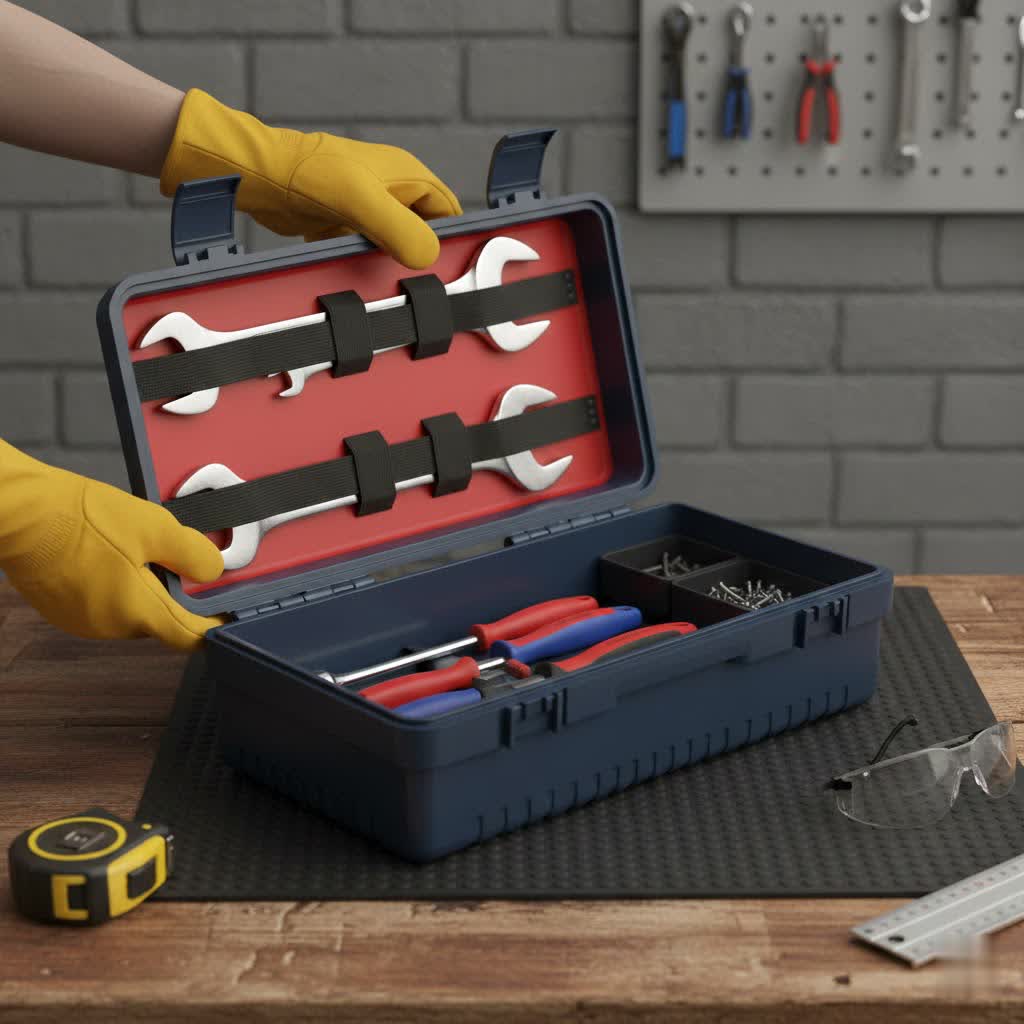
For anyone who tows, managing tools and essential gear can be a constant challenge. Whether it’s for emergency repairs, daily work, or recreational trips, keeping your equipment organized, secure, and easily accessible is paramount. This is where a trailer tongue tool box becomes an indispensable asset. Often, the front of an A-frame or straight-tongue trailer is an underutilized space, perfect for adding robust storage without encroaching on the main cargo area.
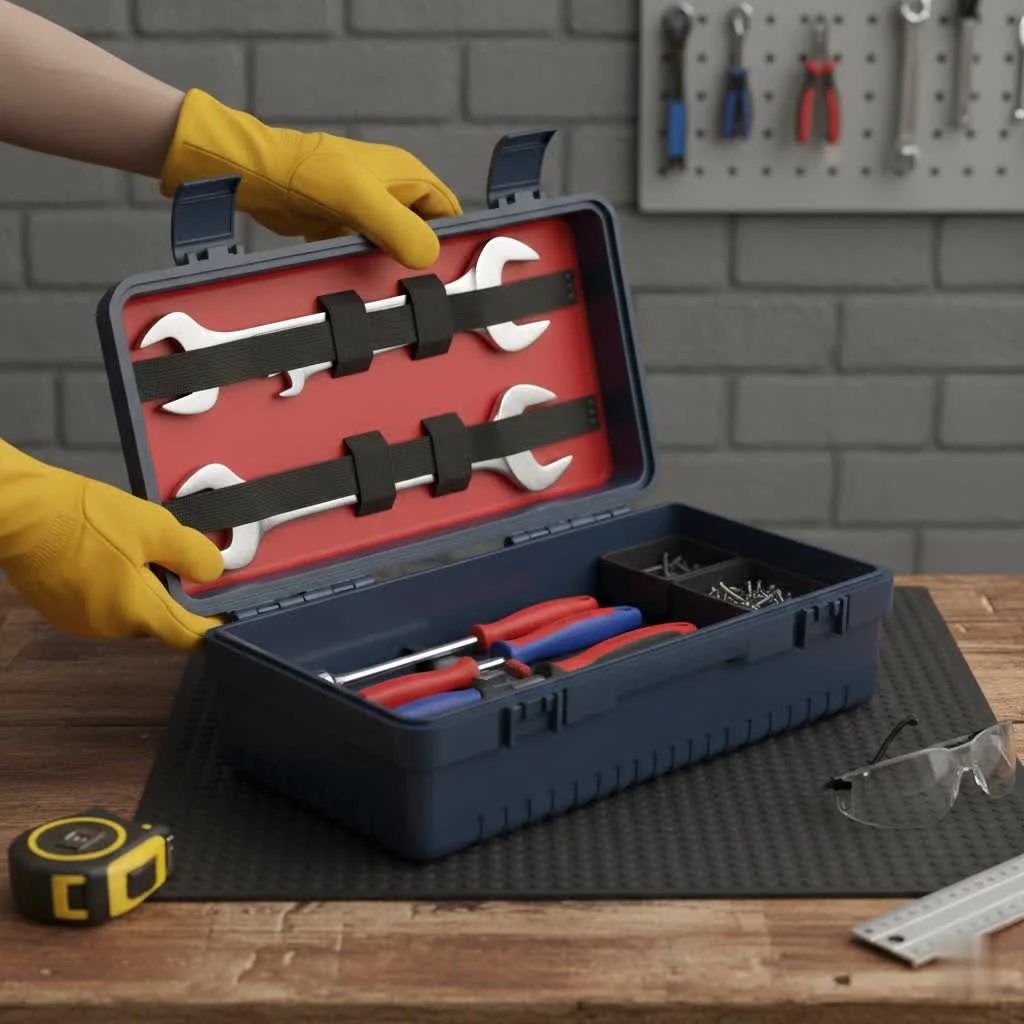
A trailer tongue tool box provides a dedicated, weather-resistant, and lockable compartment, safeguarding everything from tie-downs and spare parts to batteries and specialized equipment. It eliminates the need to clutter your vehicle’s interior or rummage through loose items, ensuring you’re always prepared for the road ahead. But with a variety of materials, sizes, and features available, choosing the right one requires careful consideration. This comprehensive guide will walk you through everything you need to know to select, install, and maintain the perfect trailer tongue tool box for your needs. For expert tool box reviews on this site.
Understanding Trailer Tongue Tool Boxes
A trailer tongue tool box is a specialized storage unit designed to be mounted on the “tongue” or A-frame of a trailer, which is the V-shaped or straight structural component extending from the trailer’s main body to the hitch. This strategic placement utilizes an often-vacant area, providing convenient access to your tools and gear without taking up valuable space in your tow vehicle or on the trailer bed.
These boxes are engineered to withstand the rigors of the road, offering protection against weather, road debris, and theft. They are ideal for storing items such as emergency roadside kits, tire chocks, tie-down straps, small hand tools, electrical supplies, and even trailer batteries or hydraulic pumps for certain types of trailers. Their design varies to accommodate different trailer configurations and storage demands, making them a versatile solution for utility trailers, boat trailers, RVs, and more.
Types of Trailer Tongue Tool Boxes by Material
The material of a trailer tongue tool box significantly impacts its durability, weight, cost, and overall performance. Understanding the characteristics of each material will help you choose the best option for your specific requirements and the items you plan to store.
Aluminum Tool Boxes
Aluminum is a popular choice for trailer tongue tool boxes due to its excellent strength-to-weight ratio. These boxes are often constructed from diamond plate aluminum, which adds to their rigidity and aesthetic appeal.
- Pros:
- Lightweight: Minimizes added tongue weight on your trailer.
- Corrosion-Resistant: Naturally resistant to rust, making it suitable for all weather conditions and marine environments.
- Durable: Can withstand significant impacts and vibrations from road travel.
- Appearance: Diamond plate finish is professional and rugged.
- Cons:
- Denting: While durable, it can dent if subjected to sharp impacts.
- Cost: Generally more expensive than plastic alternatives.
- Applications: Ideal for general tools, tie-downs, roadside emergency kits, and situations where weight is a concern.
Steel Tool Boxes
|
Our Picks for the Best Tool Box in 2026
As an Amazon Associate I earn from qualifying purchases.
|
||
| Num | Product | Action |
|---|---|---|
| 1 | CRAFTSMAN Tool Box, Tool Storage, Lockable, Black, 16 Inch (CMST16005) |

|
| 2 | Keter Stack N’ Roll 3-Piece Rolling Tool Box System – Stackable Modular Tool Organizer with Wheels, Clear Lid Small Parts Storage & Locking Latches for Garage, Workshop & DIY |
|
| 3 | beyond by BLACK+DECKER BLACK+DECKER BDST60500APB Stackable Storage System - 3 Piece Set (Small, Deep Toolbox, and Rolling Tote) |
|
| 4 | Heavy Duty Tool Bag 15-Inch, 16-Pocket Portable Empty Tool Box Organizer, Big Storage Toolbox Organization, Soft Handle Large Zipper Carrying Toolbag, Valentines Day Gifts for Him Dad Men, Green |
|
| 5 | DEWALT TSTAK Tool Box, Deep, Long Handle, Extra Large Design, Fixed Divider for Tool Organization, Water and Debris Resistant (DWST17814) |
|
| 6 | Tidy Tool Organizer for 20V Brushless Drill and Packout Compact Tool Box |
|
| 7 | CRAFTSMAN Tool Box, Lockable, 16 in., Red/Black (CMST16901) |
|
| 8 | DEWALT 192 Pcs. Mechanics Tool Set, 1/2, 1/4, 3/8 Socket Set, SAE and Metric Socket Wrench Set, Hard Shell Tool Box (DWMT75049) |
|
| 9 | VEVOR Mechanics Tool Set, 308-Piece Mechanic Tool Kit, 1/4 in, 3/8 in, and 1/2 in Drive, SAE and Metric Socket Set, Wrenches, Screwdriver Bits, Accessories, and Storage Case, for Automotive Repair |
|
| 10 | DEWALT TSTAK Tool Box, Extra Large Design, Removable Tray for Easy Access to Tools, Water and Debris Resistant (DWST17806) |
|
Steel trailer tongue tool boxes are known for their robust construction and superior security. They are built to endure the toughest conditions and provide maximum protection for valuable contents.
- Pros:
- Exceptional Durability: Highly resistant to heavy impacts, punctures, and wear.
- High Security: Offers strong protection against forced entry due to its inherent strength.
- Rigid: Maintains its shape under heavy loads.
- Cons:
- Heavy: Significantly adds to the trailer’s tongue weight, which can affect towing dynamics.
- Rust Potential: Requires proper coatings (like powder-coating) to prevent rust and corrosion, especially in wet climates.
- Applications: Best for heavy-duty tools, larger equipment, valuable items, or specialized uses like housing hydraulic pumps and batteries in dump trailers.
Polyethylene (Plastic) Tool Boxes
Polyethylene, or plastic, tool boxes offer a lightweight and economical solution for trailer tongue storage. They are a practical choice for those looking for basic protection and organization.
- Pros:
- Very Lightweight: Minimal impact on tongue weight.
- Rust-Proof: Impervious to rust and corrosion, making it suitable for wet conditions.
- Affordable: Typically the most budget-friendly option.
- Impact Resistance: Can absorb minor impacts without denting.
- Cons:
- Less Secure: Generally easier to breach than metal boxes.
- UV Degradation: Can become brittle or discolored over prolonged exposure to sunlight if not UV-stabilized.
- Less Robust: Not ideal for very heavy tools or situations requiring extreme durability.
- Applications: Suitable for lighter tools, straps, bungee cords, first-aid kits, and less critical items where budget and minimal weight are primary concerns. Also good for marine environments due to rust-proof nature.
Bảng So Sánh Các Loại Tool Box
| Feature | Aluminum Tool Box | Steel Tool Box | Polyethylene Tool Box |
|---|---|---|---|
| Material | Diamond Plate Aluminum | Heavy Gauge Steel | High-Density Polyethylene |
| Durability | High | Very High | Medium |
| Weight | Low to Medium | High | Very Low |
| Cost | Medium to High | Medium | Low |
| Rust Resistance | Excellent (natural) | Good (with coating) | Excellent (natural) |
| Security | Good | Excellent | Moderate |
| Common Uses | General tools, straps, emergencies | Heavy tools, batteries, pumps | Light tools, marine gear, straps |
| Maintenance | Low | Medium (check coating) | Low |
| Aesthetics | Rugged, professional | Industrial, strong | Basic, functional |
Key Features to Look For
Beyond the material, several features contribute to the functionality, durability, and convenience of a trailer tongue tool box.
- Construction Quality: Look for features like fully welded seams on metal boxes, which enhance structural integrity and weather resistance. Plastic boxes with double-wall lids offer increased rigidity and insulation.
- Weather Resistance: A good tool box should protect its contents from the elements. Key features include a full seal weather stripping around the lid, tightly sealed latches, and potentially a rain gutter design to divert water away. Some users also drill small drain holes in the bottom corners to prevent water accumulation if the seals are compromised.
- Security: To protect your valuable tools, a robust locking mechanism is crucial. Paddle handles with integrated locks are common, and many boxes feature self-adjusting strikers that ensure a tight, secure close every time. For added security, consider boxes that allow for external padlocks or are made from thicker gauge materials.
- Accessibility: Easy access to your tools is vital. Features like gas springs or hydraulic lifts allow the lid to open smoothly and stay open, freeing up your hands. Deep hinges are also important, enabling the lid to open fully even when mounted close to other trailer components.
- Size and Shape: Trailer tongue tool boxes come in various dimensions and shapes, most commonly rectangular or V-shaped to fit the contour of an A-frame trailer. Measure the available space on your trailer tongue, paying close attention to clearance around the trailer jack, propane tanks, and any spare tires. Ensure the box’s dimensions accommodate the items you intend to store.
- Mounting System: The best boxes come with a secure and straightforward mounting system, often including metal angle pieces and self-tapping screws. The system should allow for a stable attachment to the trailer tongue without requiring extensive modifications or welding to your trailer frame.
Popular Trailer Tongue Tool Box Brands
The market offers a variety of reputable brands known for their quality trailer tongue tool boxes. Here are a few that consistently receive positive feedback for their durability, design, and features:
- Dee Zee: A long-standing brand in truck and trailer accessories since 1977, Dee Zee offers a range of durable aluminum and poly tool boxes, known for their sturdy construction and reliable locking mechanisms.
- Better Built: Often praised for their solid construction and competitive pricing, Better Built provides aluminum tool boxes that are a popular choice for general utility and secure storage.
- Buyers Products: This manufacturer offers a wide array of trailer tongue boxes in steel, aluminum, and polyethylene, catering to various needs from standard tool storage to specialized battery and pump enclosures.
- TrailFX: Known for their diverse selection, TrailFX offers aluminum tongue boxes that combine functionality with a clean finish, suitable for many trailer types.
- Pit Posse: Specializing in trailer and garage accessories, Pit Posse produces lightweight yet robust aluminum diamond plate boxes designed for easy mounting and excellent weather protection.
- MaxxHaul: Offering a range of utilitarian products, MaxxHaul provides affordable aluminum tongue boxes that serve as a practical storage solution for budget-conscious buyers.
- UWS: Renowned for their high-quality aluminum tool boxes, UWS products are typically heavy-duty, featuring robust construction and superior weather sealing.
- Harbor Freight: While often on the more budget-friendly side, Harbor Freight offers functional steel and aluminum tongue boxes that can be a good option for those with less demanding storage needs or specific budget constraints.
Top 5 Trailer Tongue Tool Boxes (Categories)
While specific models change frequently, we can highlight categories of highly-regarded trailer tongue tool boxes based on common needs and features:
- The All-Rounder Aluminum Diamond Plate Box: Models from brands like UWS or Dee Zee consistently top lists for their balance of lightweight design, excellent durability, secure latching, and reliable weather sealing. These are typically the go-to for most users, offering ample space for essential tools, straps, and roadside emergency gear.
- The Heavy-Duty Steel Workhorse: For those needing maximum security and robust protection for heavy equipment or valuable items, a thick-gauge steel box from a brand like Buyers Products is an excellent choice. These boxes are built to withstand abuse and are often favored for commercial or demanding applications.
- The Budget-Friendly Polyethylene Option: Brands such as Dee Zee or Buyers Products also offer reliable polyethylene boxes. These are perfect for storing lighter items like ropes, fishing gear, or camping supplies, especially when weight is a critical factor or cost is a primary concern. They provide good weather protection and are rust-proof.
- The Compact & Secure: For smaller utility trailers or limited tongue space, compact aluminum boxes (e.g., 26-inch or 29-inch models) from brands like Better Built or MaxxHaul offer a secure spot for essentials like a small tool kit and tie-downs without interfering with trailer maneuvering or jack operation.
- The Specialty Battery/Pump Box: Certain steel or heavy-duty poly boxes are specifically designed to house trailer batteries or hydraulic pumps for dump trailers. These often feature reinforced construction and ventilation options, ensuring critical components are protected and functional.
How to Choose the Right Trailer Tongue Tool Box
Selecting the ideal trailer tongue tool box involves evaluating your specific needs against the available options. Here’s a breakdown of the key factors to consider:
-
Trailer Type and Available Space:
- Measure Your Tongue: Crucially, measure the length, width, and height of the clear space on your trailer tongue. Account for the A-frame angle if present.
- Clearance: Ensure there’s sufficient clearance for your trailer jack handle to rotate, propane tanks, spare tire mounts, and any other mounted accessories. The box lid must be able to open fully without obstruction.
- Tongue Weight: Be mindful of how much weight you’re adding to the trailer tongue, as this affects your trailer’s balance and towing stability. Lighter materials like aluminum or poly are advantageous here.
-
Intended Use and Contents:
- What will you store? If you plan to carry heavy mechanics tools, a robust steel or thick-gauge aluminum box is preferable. For lighter items like straps, bungee cords, or camping gear, a poly box might suffice.
- Value of Contents: For expensive tools or electronics, prioritize security features like heavy-duty locks and strong materials.
- Environment: If your trailer is frequently exposed to harsh weather, prioritize excellent weather sealing and corrosion-resistant materials.
-
Material Preference:
- Aluminum: Best balance of weight, durability, and corrosion resistance for most users.
- Steel: Maximum strength and security, but heavier and requires proper coating to prevent rust.
- Polyethylene: Lightweight, affordable, rust-proof, but less secure and durable than metal for heavy-duty use.
-
Security Needs:
- If you’re storing valuable items, look for boxes with integrated, high-quality locks, sturdy latches, and possibly options for additional padlocks. The strength of the material itself (steel being the strongest) also plays a role in deterring theft.
-
Weather Protection:
- Ensure the box has high-quality weather stripping around the lid. Fully welded seams on metal boxes and a seamless lid design on plastic ones contribute to better waterproofing. Consider if drain holes are a necessary feature for your climate.
-
Budget:
- Prices vary widely based on material, size, brand, and features. Set a budget, but remember that investing in a higher-quality box can save you money in the long run by protecting your tools and lasting longer.
“Choosing the right trailer tongue tool box is about harmonizing functionality with your trailer’s specific needs. Don’t compromise on measurements or material quality for the sake of a bargain – your tools deserve reliable protection.” – Johnathan Vance, Trailer Accessories Specialist.
Mẹo Sắp Xếp và Bảo Quản Tool Box
Once you’ve chosen your trailer tongue tool box, effective organization and regular maintenance will maximize its utility and lifespan.
Organizing Your Tool Box
A well-organized tool box saves time and prevents frustration. Consider these tips:
- Categorize: Group similar items together (e.g., tie-downs, electrical spares, wrenches).
- Small Bins/Bags: Use small plastic bins, mesh bags, or canvas pouches inside the main box to contain smaller items like fuses, bolts, gloves, or rags. This prevents them from scattering.
- Vertical Storage: If your box is deep, consider vertical dividers or magnetic strips to hold wrenches or screwdrivers against the sides.
- Frequently Used Items: Keep the most frequently accessed tools or items (like a spare hitch pin or an emergency flashlight) on top or in easily reachable positions.
- Weight Distribution: For heavy items, try to distribute the weight evenly within the box to maintain balance on the trailer tongue.
- Labeling: If using internal containers, label them clearly so you can quickly find what you need.
Maintaining Your Tool Box
Regular maintenance ensures your tool box remains functional and protects your gear for years.
- Clean Regularly: Periodically empty the box and wipe down the interior and exterior. Remove any dirt, dust, or debris that could accumulate and potentially scratch tools or degrade seals.
- Inspect Seals: Check the rubber weather stripping around the lid for cracks, tears, or compression. Replace damaged seals promptly to maintain waterproofing.
- Lubricate Hinges and Latches: Apply a silicone-based lubricant or a light oil to hinges, latches, and locking mechanisms every few months. This prevents rust, ensures smooth operation, and extends their life.
- Check Mounting Hardware: Regularly inspect the bolts, nuts, and washers securing the tool box to the trailer tongue. Tighten any loose fasteners to prevent rattling, shifting, or detachment during travel.
- Drainage: If your box has drain holes, ensure they are clear of obstructions.
- Material-Specific Care:
- Aluminum: Polish with aluminum cleaner to maintain shine and prevent oxidation.
- Steel: Inspect for any signs of rust, especially on painted or powder-coated surfaces. Touch up scratches or chips with appropriate paint to prevent corrosion.
- Polyethylene: Clean with mild soap and water. If exposed to intense UV, consider applying a UV protectant spray to prevent material degradation.
Installation Guide for Trailer Tongue Tool Boxes
Installing a trailer tongue tool box is a straightforward process, but it requires careful measurement and attention to detail to ensure security and proper clearance.
Tools You’ll Need:
- Measuring tape
- Marker
- Drill and drill bits (appropriate sizes for pilot holes and mounting hardware)
- Wrench or socket set (to tighten nuts)
- Center punch (optional, for marking drill spots)
- Sealant (silicone or similar, for waterproofing)
- Safety goggles and work gloves
Step-by-Step Installation:
-
Position the Box:
- Carefully place the tool box on your trailer tongue in the desired location.
- Crucially, ensure it is centered left-to-right on the tongue.
- Check all clearances: Verify that the trailer jack handle can rotate freely without hitting the box. Confirm that the box lid can open fully without striking any other trailer components (like propane tanks or spare tires). Adjust the position as needed.
-
Mark Mounting Locations:
- Most trailer tongue boxes come with metal angle pieces or pre-drilled holes in the bottom.
- If using angle pieces: Align them with the tongue of the trailer and the bottom of the box. Use a marker to indicate where the mounting holes will be drilled through the box bottom and into the trailer tongue.
- If using pre-drilled holes in the box: Use these holes as a template. Mark the corresponding spots on your trailer tongue.
- It’s recommended to mark at least four mounting points for stability.
-
Prepare for Drilling:
- Remove the tool box from the tongue.
- For metal boxes, use a center punch to create small indentations at your marked drilling spots. This helps prevent the drill bit from “walking.”
- Important Safety Check: Before drilling into the trailer frame, visually inspect the underside to ensure there are no hidden electrical wires, brake lines, or fuel lines that could be damaged.
-
Drill Pilot Holes (if necessary):
- Depending on the material of your box and trailer tongue, you might want to start with smaller pilot holes before drilling the final size.
-
Drill Mounting Holes:
- Drill holes through the bottom of the tool box (if not pre-drilled) and through the trailer tongue at the marked locations. Use the drill bit size recommended for your mounting hardware (typically bolts).
- Clean any metal shavings thoroughly from both the box and the trailer frame to prevent rust or interference.
-
Secure the Box:
- Place the tool box back onto the trailer tongue, aligning the drilled holes.
- Insert bolts through the box bottom and the trailer tongue.
- Apply a silicone sealant around and under the heads of the bolts (inside the box) to create a watertight seal and prevent water from seeping in through the bolt holes.
- Attach washers and nuts to the underside of the trailer tongue and tighten them securely. Avoid over-tightening, which could damage the box or frame.
-
Final Checks:
- Test the lid operation again, ensuring it opens and closes smoothly and latches securely.
- Double-check all clearances.
- Confirm all mounting hardware is tight and the box is stable.
By following these steps, you can confidently install your trailer tongue tool box, adding practical and secure storage to your trailer.
Where to Buy Trailer Tongue Tool Boxes?
Finding the right trailer tongue tool box is easier than ever with a multitude of purchasing options.
- Specialty Trailer and Truck Accessory Stores: These stores often have a wide selection of brands and models specifically designed for trailers. You can benefit from expert advice and often see the products in person, allowing you to gauge size and quality.
- Hardware and Home Improvement Stores: Large retailers like The Home Depot or Tractor Supply Co. carry a range of tool boxes, including some trailer tongue models. They are convenient for in-person shopping, especially if you want to compare different materials and sizes.
- Online Retailers: Websites like Amazon, eBay, etrailer.com, and the official sites of manufacturers (e.g., Dee Zee, UWS, Buyers Products) offer the largest selection. You can compare prices easily, read customer reviews, and have the box shipped directly to your door. Be sure to check shipping costs, as these can be significant for larger items.
- Used Marketplaces: For budget-conscious buyers, local online marketplaces or classifieds might offer used tool boxes. Thoroughly inspect any used item for damage, rust, or compromised seals before purchasing.
When buying, always compare prices from different vendors, consider their return policies, and read customer reviews to get a sense of product quality and customer satisfaction. Also, remember to factor in potential shipping costs, especially for bulky items.
Frequently Asked Questions
What should I put in a trailer tongue tool box?
A trailer tongue tool box is ideal for items you need quick access to or want to keep secure and protected from the elements. Common contents include tie-down straps, bungee cords, wheel chocks, a basic emergency tool kit, a spare hitch ball, gloves, jumper cables, and sometimes even trailer batteries or hydraulic pumps.
How do I prevent my trailer tongue tool box from rusting?
If you have a steel tool box, ensure it’s made from galvanized or powder-coated steel. Regularly inspect for scratches or chips in the paint and touch them up promptly to prevent rust from starting. Aluminum and polyethylene boxes are naturally rust-resistant and require less concern in this regard, though aluminum can still oxidize.
Can I install a trailer tongue tool box on any trailer?
Trailer tongue tool boxes are primarily designed for trailers with an A-frame or straight-tongue hitch. You need sufficient clear space on the tongue for the box to sit securely and for the lid to open without obstruction from the trailer jack, propane tanks, or other mounted accessories. Always measure your available space carefully before purchasing.
How much weight can a trailer tongue tool box hold?
The weight capacity depends heavily on the material and construction of the box, as well as its mounting. Heavy-duty steel boxes can hold more weight than lighter aluminum or plastic ones. Always refer to the manufacturer’s specifications for maximum weight capacity to ensure safety and prevent damage to the box or trailer.
Are trailer tongue tool boxes waterproof?
Most quality trailer tongue tool boxes are designed to be highly weather-resistant, often featuring full seal weather stripping and tightly closing latches to keep water and dust out. While many are effectively waterproof in rain, prolonged submersion is typically not recommended. Regularly inspect and maintain the seals for optimal protection.
Get our weekly buyer guide
Practical specs, not advice. Unsubscribe anytime.

The info on weather resistance was helpful, but I wish there was more detail on specific brands that offer superior seals. My current box, while lockable, still gets a little moisture inside during heavy rain. It’s good for general storage, but I can’t keep anything sensitive in there. Might need to upgrade soon.
Finally, a dedicated spot for my emergency repair kit and battery! I used to just throw everything in the back of my SUV, and it was always a mess. The tip about utilizing the underutilized space on the trailer tongue was a game-changer. Installation was straightforward, and now everything is organized and accessible.
Great overview of trailer tongue boxes. I appreciated the breakdown of materials like steel vs. aluminum. I went with a steel box for extra security, but it was a bit heavier to install than I anticipated. Still, it’s super sturdy and keeps my tie-downs and small tools safe from the elements, which was my main goal.
I’ve been looking for a better way to store my recovery gear and air compressor when towing my utility trailer. This guide really helped me understand the different mounting options. I ended up going with an aluminum box for its lightweight durability, and it fits perfectly on the A-frame tongue. No more digging through the truck bed!