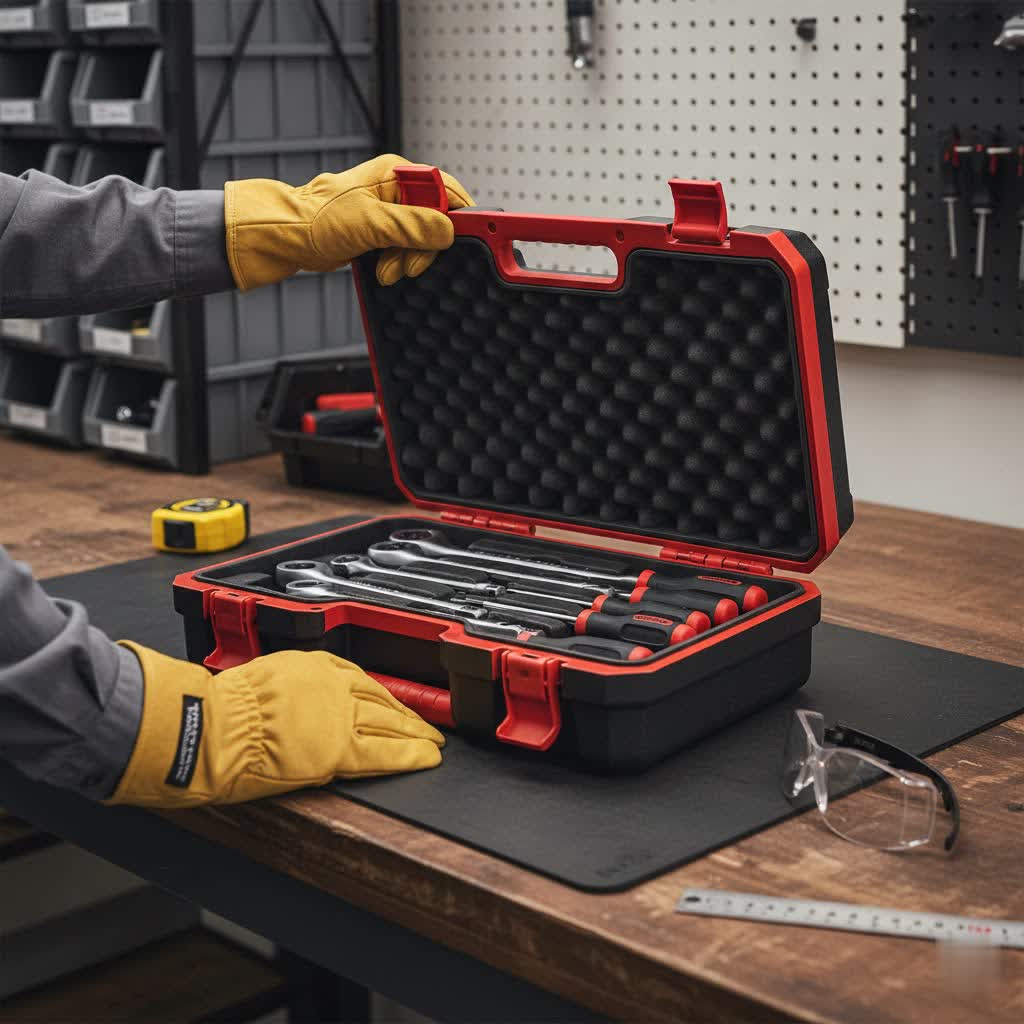
Every seasoned craftsman knows that a well-organized and readily accessible collection of tools is the cornerstone of any successful project, big or small. Whether you’re a professional tackling complex builds or a dedicated DIYer handling home repairs, the right box tool set isn’t just a container; it’s a strategic investment that saves time, reduces frustration, and protects your valuable instruments. With countless options available, understanding the nuances of various box tool sets can feel overwhelming. This guide will demystify the choices, from popular types and leading brands to essential selection criteria and maintenance tips, helping you confidently find the ideal box tool set for your unique needs.
Popular Types of Box Tool Sets
Box tool sets come in a diverse range of designs, each tailored to specific needs and work environments. Understanding these variations is crucial for making an informed decision.
-
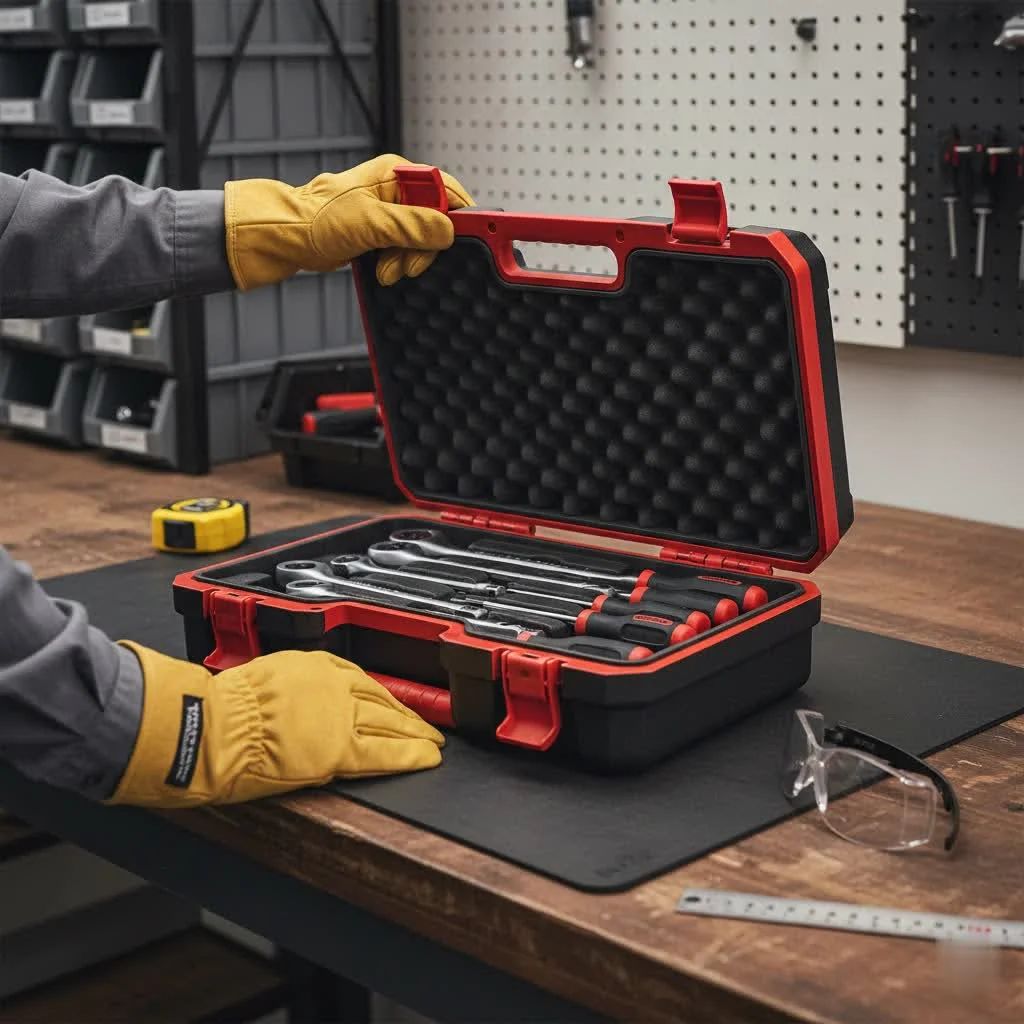
Plastic Tool Boxes: These are often the most common and budget-friendly option, favored for their lightweight nature and portability. Many plastic boxes feature internal organizers like removable trays and dividers, making them excellent for basic household tasks, crafts, or lighter tool collections. Higher-quality plastic options can also offer good weather resistance.
-
Metal Tool Boxes: Typically crafted from steel or aluminum, metal tool boxes are synonymous with durability and strength. Steel variants offer superior robustness and load capacity, making them suitable for heavy-duty tools and professional environments. Aluminum tool boxes, while also durable, provide a lighter alternative and are naturally corrosion-resistant, often found mounted on truck beds or in mobile workshops.
-
Soft Cases and Tool Bags: Designed for ultimate portability, these fabric-based options are lightweight and flexible, easily conforming to tight storage spaces. They are ideal for carrying essential hand tools to different job sites or for homeowners who need a compact kit for quick fixes. While less rigid, many feature numerous pockets and sturdy zippers for organization.
-
Rolling Tool Chests and Cabinets: These are the titans of tool storage, offering vast capacity and multiple drawers for extensive tool collections. Mounted on wheels, they provide mobility within a workshop or garage, making them indispensable for mechanics, woodworking, and large-scale projects where a comprehensive array of tools needs to be kept in one place.
-
Modular Tool Systems: Representing a modern approach to organization, modular systems consist of interlocking boxes, trays, and organizers that can be stacked, connected, and transported together. This allows for highly customizable storage solutions that can be expanded or reconfigured as your tool collection grows or project needs change.
Pros and Cons of Each Box Tool Set Type
|
Our Picks for the Best Tool Box in 2026
As an Amazon Associate I earn from qualifying purchases.
|
||
| Num | Product | Action |
|---|---|---|
| 1 | Heavy Duty Tool Bag 15-Inch, 16-Pocket Portable Empty Tool Box Organizer, Big Storage Toolbox Organization, Soft Handle Large Zipper Carrying Toolbag, Valentines Day Gifts for Him Dad Men, Green |

|
| 2 | DEWALT TSTAK Tool Box, Extra Large Design, Removable Tray for Easy Access to Tools, Water and Debris Resistant (DWST17806) |
|
| 3 | Keter Stack N’ Roll 3-Piece Rolling Tool Box System – Stackable Modular Tool Organizer with Wheels, Clear Lid Small Parts Storage & Locking Latches for Garage, Workshop & DIY |
|
| 4 | CRAFTSMAN Tool Box, Tool Storage, Lockable, Black, 16 Inch (CMST16005) |
|
| 5 | DEWALT TSTAK Tool Box, Deep, Long Handle, Extra Large Design, Fixed Divider for Tool Organization, Water and Debris Resistant (DWST17814) |
|
| 6 | beyond by BLACK+DECKER BLACK+DECKER BDST60500APB Stackable Storage System - 3 Piece Set (Small, Deep Toolbox, and Rolling Tote) |
|
| 7 | DEWALT 192 Pcs. Mechanics Tool Set, 1/2, 1/4, 3/8 Socket Set, SAE and Metric Socket Wrench Set, Hard Shell Tool Box (DWMT75049) |
|
| 8 | Tidy Tool Organizer for 20V Brushless Drill and Packout Compact Tool Box |
|
| 9 | VEVOR Mechanics Tool Set, 308-Piece Mechanic Tool Kit, 1/4 in, 3/8 in, and 1/2 in Drive, SAE and Metric Socket Set, Wrenches, Screwdriver Bits, Accessories, and Storage Case, for Automotive Repair |
|
| 10 | CRAFTSMAN Tool Box, Lockable, 16 in., Red/Black (CMST16901) |
|
To help you visualize the strengths and weaknesses, here’s a comparison of the primary box tool set types:
| Feature | Plastic Tool Box | Metal Tool Box (Steel/Aluminum) | Soft Case/Tool Bag | Rolling Tool Chest/Cabinet | Modular Tool System |
|---|---|---|---|---|---|
| Material | High-impact plastic | Steel, Aluminum | Durable fabric (canvas, polyester, nylon) | Steel, Heavy-gauge metal | High-impact plastic, sometimes reinforced metal |
| Durability | Good for light to medium use; can crack on impact | Excellent; highly resistant to impacts, dents, heavy loads | Fair; depends on fabric quality, less rigid protection | Superior; built for heavy use and longevity | Very good; interlocking robust components |
| Portability | Very high; lightweight, often with handles | Medium; heavier, some with handles; aluminum is lighter | Very high; lightweight, shoulder straps, handles | Low; designed for workshop mobility (wheels) | High; individual units are portable, stackable for transport |
| Organization | Often includes trays, dividers, small compartments | Trays, sometimes drawers in larger models | Numerous pockets, loops, open compartments | Multiple drawers, dividers, large storage bays | Customizable inserts, trays, interlocking units |
| Weather Resistance | Good; many are sealed against moisture | Good; steel can rust if not maintained; aluminum is rust-resistant | Low; generally not waterproof | Fair; depends on seals, typically indoor use | Good; many systems feature weather-sealed lids |
| Common Use | Homeowner, DIY, small crafts, electrical work | Automotive, construction, heavy-duty repair, workshop | Mobile technicians, quick fixes, specific trade tools | Professional workshops, large garages, industrial use | Tradesmen, contractors, versatile job site use |
| Price Range | Low to Medium | Medium to High | Low to Medium | High | Medium to High |
Leading Brands in Box Tool Sets
The market offers a wide array of brands, each with its own reputation for quality, innovation, and specialization. Here’s a look at some of the names you’ll frequently encounter.
For homeowners and DIY enthusiasts, brands like Kobalt, Craftsman, Husky, Black+Decker, and Apollo Tools are popular choices. These brands often focus on providing comprehensive starter kits that include a wide range of essential hand tools, along with practical storage solutions at an accessible price point. They generally offer decent quality for regular household tasks and come with warranties that provide peace of mind. For example, brands like Husky are often lauded for their value in tool chests and general homeowner sets, providing robust solutions without a premium price tag.
When it comes to professionals and mechanics, DeWalt, Milwaukee, Crescent, Gearwrench, Sonic Tools, and Teng Tools stand out. These manufacturers emphasize durability, precision, and comprehensive collections, often featuring high-grade steel tools, advanced ratcheting mechanisms, and specialized sockets. Their products are designed to withstand rigorous daily use and often come with lifetime warranties. Brands like Milwaukee and DeWalt are particularly known for their power tool integration and modular storage systems, while Crescent and Gearwrench are highly regarded for their robust mechanics’ tool sets.
Top 5 Recommended Box Tool Sets
Choosing the “best” box tool set depends entirely on your specific needs, but here are five types that cater to different user profiles, highlighting their key features and ideal applications.
-
The Comprehensive Household Essential: Ideal for new homeowners or those needing a broad array of tools for general repairs and assembly tasks. These sets typically include a hammer, various screwdrivers (Phillips, flathead, precision), pliers (slip-joint, needle-nose), an adjustable wrench, tape measure, utility knife, and hex keys. Look for sets with a sturdy, organized hard case that keeps everything in place. They offer excellent value for tackling most everyday home projects.
-
The Robust Mechanics’ Starter Kit: Perfect for aspiring mechanics or automotive enthusiasts. These sets prioritize sockets, ratchets (often 72-tooth for finer adjustments), extensions, and combination wrenches in both SAE and Metric sizes. A durable blow-molded case is standard, providing clear organization and protection for precision tools. This type is designed to handle common vehicle maintenance and repairs effectively.
-
The Ultra-Portable Tool Bag Set: For those who frequently work on the go, a high-quality tool bag or soft case filled with essential hand tools is invaluable. These sets are lightweight and often include a comfortable shoulder strap, making them easy to transport. They typically feature a good selection of screwdrivers, pliers, an adjustable wrench, and a measuring tape, with ample pockets for organization. Ideal for electricians, IT technicians, or anyone needing to carry tools to various job sites.
-
The Expandable Modular System: Designed for professionals and serious DIYers who need a flexible and growing tool collection. These systems consist of interlocking tool boxes, organizers, and rolling bases that can be customized and stacked. They allow you to bring only the tools needed for a specific job, while keeping your entire collection organized in the workshop. Look for durable, weather-sealed units from reputable brands that offer a wide range of compatible components.
-
The Heavy-Duty Rolling Chest Combo: Suited for dedicated workshops or garages where extensive tool collections reside. This typically includes a multi-drawer rolling cabinet and a top chest, offering massive storage capacity for everything from large power tools to tiny fasteners. Features like smooth-gliding drawers, heavy-duty casters, and robust locking mechanisms are critical. This setup provides unparalleled organization and protects tools from dust and theft within a fixed environment.
How to Choose the Right Box Tool Set
Selecting the perfect box tool set involves more than just picking one off the shelf. Consider these factors to ensure your investment truly meets your demands.
-
Assess Your Needs and Usage: First, honestly evaluate your primary use. Are you a weekend warrior tackling occasional home fixes (hobbyist) or a professional who relies on tools daily (professional)? The scale and complexity of your projects will dictate the size, durability, and types of tools needed. A professional will demand higher quality, more specialized tools, and robust storage than a casual DIYer.
-
Material Matters for Durability and Weight:
- Plastic: Excellent for portability and often waterproof, ideal for general household tools or light-duty use. However, cheaper plastics can crack under heavy stress.
- Metal (Steel/Aluminum): Steel offers maximum durability and weight capacity for heavy tools and tough environments, though it can be heavy. Aluminum is lighter and corrosion-resistant, a good compromise for portability with strength.
- Fabric (Soft Cases/Bags): Best for lightweight, mobile kits, but offers less protection against impact or moisture.
-
Size and Capacity for Current and Future Tools: Consider not only the tools you currently own but also what you anticipate acquiring. It’s always wise to choose a box tool set with a bit of extra space to accommodate future additions. Overfilling a box can lead to disorganization and damage.
-
Portability for Your Workflow:
- Stationary Use: For a dedicated workshop, a large rolling chest or cabinet offers maximum storage and easy movement within the space.
- On-the-Go: If you frequently move tools, look for lightweight boxes, tool bags with shoulder straps, or modular systems with wheels.
-
Organization Features for Efficiency: A good box tool set provides more than just space. Look for:
- Compartments and Dividers: To separate small parts, fasteners, and specific tools.
- Removable Trays: For easy access to frequently used items.
- Dedicated Slots: For screwdrivers, wrenches, and sockets to keep them secure and identifiable.
- Modular Inserts: In systems like foam cutouts, these offer precise organization and tool protection.
-
Security and Durability for Protection: If your tools are valuable or used in shared spaces, secure locking mechanisms are essential to prevent theft. Durability extends to the overall build quality, including strong latches, hinges, and weather-resistant seals to protect against moisture and dust, prolonging your tools’ lifespan.
-
Budget and Warranty for Long-Term Value: While it’s tempting to go for the cheapest option, investing in a quality box tool set can save you money in the long run by protecting your tools and preventing the need for frequent replacements. Compare prices across brands and always check the warranty. Many reputable brands offer lifetime warranties on their hand tools, which speaks volumes about their confidence in product quality.
Organizing and Maintaining Your Box Tool Set
A well-chosen box tool set is only as effective as its organization and maintenance. Proper care ensures your tools are always ready for action and lasts for years.
Efficient Arrangement
Start by decluttering. Remove all tools and sort them by type, frequency of use, and size. Group screwdrivers with screwdrivers, pliers with pliers, and so on. For often-used items, place them in easily accessible top trays or compartments. Less frequently used specialty tools can reside in lower drawers or dedicated sections. Utilizing inserts like foam cutouts or plastic dividers can create a custom fit for each tool, preventing them from rattling around and getting damaged.
Utilize Inserts and Trays
Many box tool sets come with removable trays or built-in dividers. Leverage these to separate small components like bits, fasteners, and precision instruments. Labeling compartments can also dramatically cut down on searching time. For larger tools, ensure they lay flat or are secured to prevent them from shifting during transport.
Regular Cleaning
Tools accumulate dirt, grease, and grime during use. Periodically empty your box tool set and clean both the tools and the box itself. Wipe down tools with a cloth, using a degreaser for stubborn residues. For metal tools, a light coat of oil can prevent rust. Clean out debris from the bottom of the box and wipe down all surfaces.
Rust Prevention
Rust is the enemy of metal tools. For metal box tool sets, ensure they are stored in a dry environment. You can place desiccants (like silica gel packets) inside the box to absorb moisture. Rust-inhibiting liners are also available and can be cut to fit drawers, providing an extra layer of protection. Always dry tools thoroughly before returning them to the box.
Proper Storage
Avoid overloading your box tool set beyond its weight capacity, as this can damage the box and make it difficult to move. Ensure all latches and locks are securely fastened, especially if you’re transporting the box. For rolling chests, engage wheel locks when stationary to prevent accidental movement. Storing your box tool set in a secure, climate-controlled area will significantly extend its lifespan and the longevity of your tools.
Where to Purchase Your Box Tool Set
Finding the right box tool set often comes down to convenience, selection, and price. Here are common avenues for purchase:
-
Hardware Stores (Lowe’s, Home Depot, Ace Hardware): These stores offer the advantage of being able to physically inspect a wide range of box tool sets and tool kits. You can assess size, material, and organization features firsthand. Staff are often available for advice, and returns are generally straightforward. They typically carry popular homeowner and mid-range professional brands.
-
Online Retailers (Amazon, Walmart, Manufacturer Websites): Online platforms boast an unparalleled selection, often with more competitive pricing due to lower overheads. You can browse countless brands, read extensive customer reviews, and compare features side-by-side. However, you cannot physically examine the product before purchase, making reliance on reviews and detailed product descriptions crucial. Always check shipping costs and return policies.
-
Specialty Tool Suppliers (Grainger, MSC Industrial Supply, dedicated brand stores): For professional-grade, highly specialized, or specific brand box tool sets (like Sonic Tools or Teng Tools), specialty suppliers are the go-to. They often offer higher quality, more robust options, and expert advice tailored to specific trades. While prices might be higher, the investment often pays off in durability and performance.
When making your purchase, always compare prices across different retailers. Don’t forget to factor in shipping costs for online orders. Crucially, pay close attention to the warranty and return policy of both the retailer and the manufacturer, especially for larger or more expensive sets, to ensure you’re covered in case of defects or if the product doesn’t meet your expectations.
Conclusion
A thoughtfully chosen box tool set is an indispensable asset for anyone passionate about precision, efficiency, and preparedness in their work. From robust metal chests for the professional mechanic to portable plastic kits for the enthusiastic DIYer, the options are as varied as the tasks they help accomplish. By carefully considering your individual needs—from the types of projects you undertake to your desired level of mobility and organization—you can navigate the market with confidence. Prioritize durable materials, intelligent storage features, and brands renowned for their quality, ensuring your investment not only protects your tools but also enhances your ability to tackle any project with ease.
What kind of project are you planning to master next with your perfectly organized box tool set?
Frequently Asked Questions
What is the difference between a tool box and a tool set?
A tool box is primarily a container designed for storing and transporting tools, while a tool set typically refers to a collection of various tools that are often sold together, sometimes including a storage solution like a tool box or case. Many modern “box tool sets” combine both by offering a comprehensive collection of tools housed within a dedicated, organized box.
How do I know what size box tool set I need?
The ideal size depends on your current tool collection and anticipated future additions, as well as the types of projects you undertake. For basic household tasks, a compact set with 50-100 pieces might suffice. Professionals or those with extensive tools may require larger, multi-drawer rolling chests or modular systems to accommodate hundreds of items. Always opt for slightly more space than you currently need.
Are expensive box tool sets always better?
Not necessarily, but quality often correlates with price. More expensive sets typically feature higher-grade materials, more precise manufacturing, better ergonomics, and stronger warranties, which can translate to greater durability and performance for demanding tasks. However, for light, occasional use, a mid-range, well-reviewed set can offer excellent value without overspending.
Can I add more tools to a pre-made tool set?
Most pre-made tool sets, especially those in hard cases with custom-molded slots, offer limited space for additional tools. If you plan to expand your collection significantly, consider a tool set that comes in a soft bag with extra pockets, a rolling chest with empty drawers, or a modular tool system designed for expansion and customization.
How do I prevent rust in my metal box tool set?
To prevent rust, ensure your metal box tool set is stored in a dry environment. Consider adding desiccants like silica gel packets to absorb moisture. Regularly clean and dry your tools before storing them, and for long-term storage, a light coat of rust-inhibiting oil on metal tools can provide additional protection.
What are modular tool sets?
Modular tool sets consist of individual storage components (boxes, organizers, drawers) that interlock and stack together to create a customized and easily transportable system. They offer flexibility, allowing users to configure their storage based on specific job needs, adding or removing units as required, and often feature robust construction and weather sealing.
What essential tools should a basic box tool set include?
A basic household box tool set should generally include: a hammer, various screwdrivers (Phillips and flathead in common sizes), a set of pliers (slip-joint, needle-nose), an adjustable wrench, a tape measure, a utility knife, and a set of hex keys. Some beneficial additions might be a small level, a basic socket set, and safety glasses.
Get our weekly buyer guide
Practical specs, not advice. Unsubscribe anytime.
