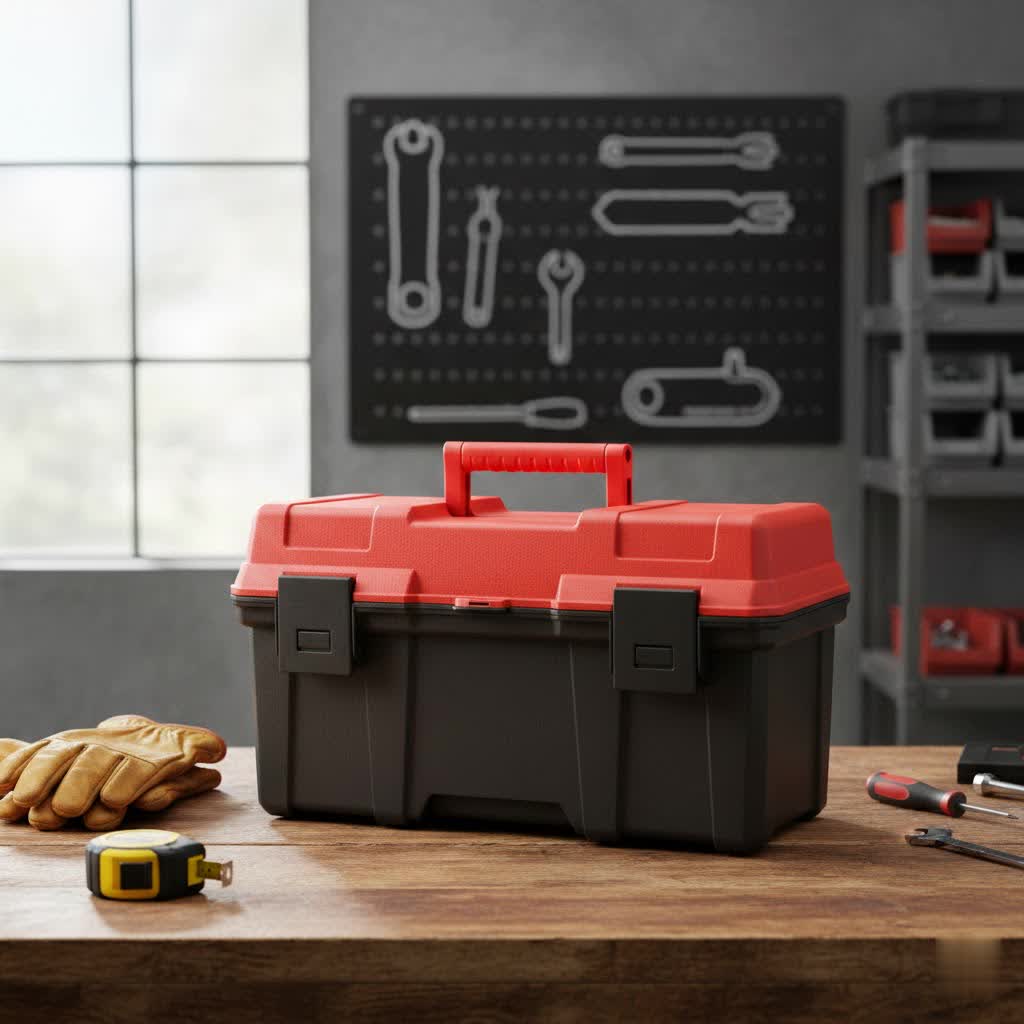
Every dedicated craftsman, DIY enthusiast, or home mechanic understands the unspoken truth: a well-organized workspace starts with the right tool box. It’s more than just a container; it’s the guardian of your essential equipment, ensuring everything is exactly where you need it, when you need it. For decades, Craftsman has been a name synonymous with reliability and value in the world of tools and storage. Whether you’re just starting your tool collection or looking to upgrade your professional setup, a Craftsman tool box offers a blend of classic design and modern functionality.
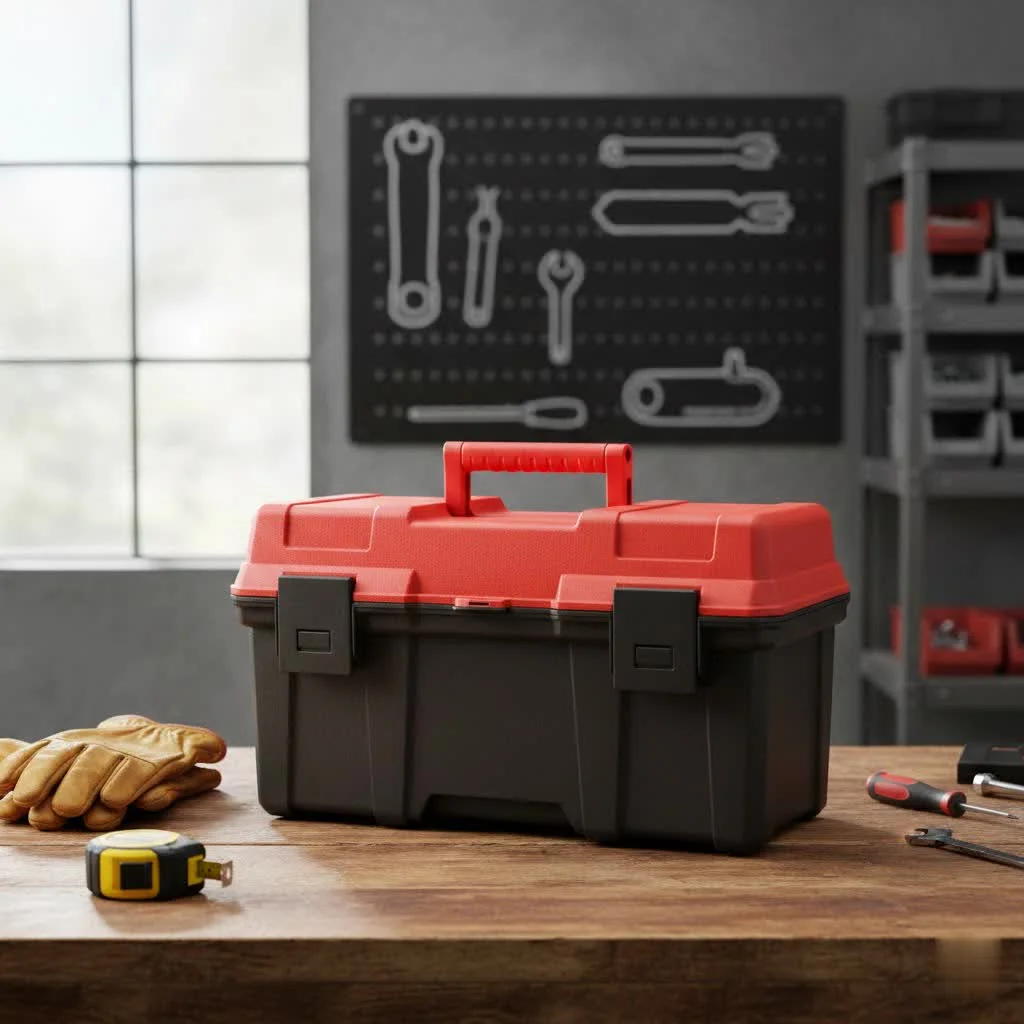
In this in-depth guide, we’ll navigate the diverse landscape of Craftsman tool boxes, exploring their various types, materials, and features. We’ll help you understand what makes each option unique, guide you through the selection process, and offer insights into maintaining your investment for years to come. Get ready to discover the perfect Craftsman companion for all your projects.
Exploring the Versatile World of Craftsman Tool Boxes
Craftsman offers a wide array of tool storage solutions designed to meet the demands of various tasks and environments. From highly portable options for quick jobs to robust, stationary systems for a dedicated workshop, understanding the different types is the first step in finding your ideal match.
Portable Tool Boxes
These are the quintessential carry-all solutions, perfect for grabbing a selection of tools for on-the-go repairs or small household projects. Craftsman portable tool boxes often feature durable plastic or sturdy metal construction, designed to be lightweight enough for easy transport. Many include a removable tray, allowing you to organize smaller items like screws, nuts, and bits, while providing space underneath for larger hand tools. Lockable latches are a common feature, offering security for your valuable equipment.
Rolling Tool Chests and Cabinets
When your tool collection outgrows a portable box, rolling tool chests and cabinets become indispensable. These larger units provide substantial storage capacity with multiple drawers of varying depths, making them ideal for a wide range of hand tools, power tools, and accessories. Crafted primarily from steel, Craftsman rolling cabinets are built for durability. Features often include smooth-gliding, ball-bearing drawer slides, sometimes with soft-close mechanisms, and robust casters for effortless mobility around your garage or workshop. Many models can be topped with matching tool chests to create a comprehensive, stacked storage system. The Craftsman 2000 Series, for instance, is a popular choice for its balance of features and affordability, often including useful additions like built-in power strips with USB ports.
Craftsman VERSASTACK™ System
|
Our Picks for the Best Tool Box in 2026
As an Amazon Associate I earn from qualifying purchases.
|
||
| Num | Product | Action |
|---|---|---|
| 1 | VEVOR Mechanics Tool Set, 308-Piece Mechanic Tool Kit, 1/4 in, 3/8 in, and 1/2 in Drive, SAE and Metric Socket Set, Wrenches, Screwdriver Bits, Accessories, and Storage Case, for Automotive Repair |

|
| 2 | Tidy Tool Organizer for 20V Brushless Drill and Packout Compact Tool Box |
|
| 3 | DEWALT 192 Pcs. Mechanics Tool Set, 1/2, 1/4, 3/8 Socket Set, SAE and Metric Socket Wrench Set, Hard Shell Tool Box (DWMT75049) |
|
| 4 | Keter Stack N’ Roll 3-Piece Rolling Tool Box System – Stackable Modular Tool Organizer with Wheels, Clear Lid Small Parts Storage & Locking Latches for Garage, Workshop & DIY |
|
| 5 | CRAFTSMAN Tool Box, Lockable, 16 in., Red/Black (CMST16901) |
|
| 6 | DEWALT TSTAK Tool Box, Deep, Long Handle, Extra Large Design, Fixed Divider for Tool Organization, Water and Debris Resistant (DWST17814) |
|
| 7 | DEWALT TSTAK Tool Box, Extra Large Design, Removable Tray for Easy Access to Tools, Water and Debris Resistant (DWST17806) |
|
| 8 | Heavy Duty Tool Bag 15-Inch, 16-Pocket Portable Empty Tool Box Organizer, Big Storage Toolbox Organization, Soft Handle Large Zipper Carrying Toolbag, Valentines Day Gifts for Him Dad Men, Green |
|
| 9 | CRAFTSMAN Tool Box, Tool Storage, Lockable, Black, 16 Inch (CMST16005) |
|
| 10 | beyond by BLACK+DECKER BLACK+DECKER BDST60500APB Stackable Storage System - 3 Piece Set (Small, Deep Toolbox, and Rolling Tote) |
|
For those who need a truly adaptable and mobile storage solution, the Craftsman VERSASTACK™ System is a game-changer. This modular, stackable system is typically made from durable plastic, allowing you to customize your setup by combining different-sized boxes, organizers, and rolling bases. Each component latches securely together, and the rolling base with wheels ensures easy transport, whether you’re moving tools across a job site or just tidying up your garage. It’s an excellent choice for flexibility and portability, though its plastic construction means a lighter overall load capacity compared to steel cabinets.
Truck Tool Boxes
Designed for professionals and serious DIYers who transport their tools in a vehicle, Craftsman truck tool boxes offer secure, weatherproof storage. These are commonly made from aluminum, which provides a good balance of strength and lightness, making them easier to install and less burdensome on your truck’s payload. While generally durable, aluminum truck boxes can be more prone to dents than heavy-gauge steel options, and buyers should consider the quality of latches for maximum security.
Stationary Tool Cabinets
For a more permanent and expansive storage solution in a dedicated workshop or garage, Craftsman offers free-standing and wall-mounted tool cabinets. These units provide ample space for larger equipment and bulk items, helping you maintain an organized and clutter-free workspace. They are typically constructed from steel for maximum durability and security.
Comparing Craftsman Tool Box Materials
The material of your Craftsman tool box significantly impacts its durability, weight, and suitability for different tasks. Here’s a quick comparison of the primary materials used:
| Material | Best For | Durability Traits | Main Weakness | Typical Craftsman Options |
|---|---|---|---|---|
| Plastic | Portable use, light tools, outdoor work | Rust-resistant, impact-resistant, lightweight | Can warp in heat, lower load capacity | Portable boxes, VERSASTACK™ System |
| Steel | Heavy-duty use, workshops, secure storage | High load capacity, dent-resistant, very strong | Heavy, can rust if coating is compromised | Rolling chests/cabinets (e.g., 2000 Series), stationary cabinets |
| Aluminum Alloy | Truck beds, weight-sensitive applications | Strong, lightweight, corrosion-resistant | More expensive, dents easier than steel | Truck tool boxes |
Plastic tool boxes are often favored for their light weight and resistance to rust, making them excellent for tasks that require mobility or outdoor exposure. Steel offers superior strength and security, ideal for heavy tool collections and permanent workshop setups, though it’s less portable. Aluminum strikes a balance, providing a lighter alternative to steel, often used for truck-mounted storage due to its corrosion resistance.
The Enduring Legacy of Craftsman
Craftsman has built a reputation over many years for providing dependable tools and storage solutions that cater to a wide audience. The brand is often celebrated for offering a great balance between quality and affordability, making it a go-to choice for homeowners and DIY enthusiasts. While some compare modern Craftsman to its past “Sears Craftsman” era, current products like the 2000 Series are frequently praised for their value, particularly for non-professional use. Many Craftsman storage products are “assembled in the USA with global materials,” a commitment to supporting American labor that resonates with many buyers. The brand typically offers a limited warranty, underscoring its confidence in product longevity.
Top Craftsman Tool Box Picks
Craftsman offers several standout options depending on your specific needs. Here are some of the most favored types and their benefits:
- Craftsman 2000 Series Rolling Tool Cabinet: Often highlighted for its excellent value, this series provides a robust steel construction with multiple soft-close drawers that feature ball-bearing slides. It’s an ideal choice for a home garage or an enthusiastic DIYer looking for significant, organized storage. Many models come with convenient features like an integrated power strip for charging tools and devices.
- Craftsman Lockable Portable Tool Box (Plastic): A classic choice for basic, affordable tool storage. Made from heavy-duty plastic, it typically includes a removable tray for small items and a metal latch that can be locked with a padlock for added security. It’s perfect for keeping essential tools close at hand for odd jobs around the house due to its portability and sturdy build.
- Craftsman VERSASTACK™ Rolling Tower: This system is highly praised for its modular design and exceptional portability. Comprising stackable units with a wheeled base, it allows users to customize their setup to transport a wide variety of tools, from power tools in larger bins to small accessories in segmented organizers. Its capacity is well-suited for those who frequently move their tools.
- Craftsman Truck Tool Box (Aluminum Crossover): A popular choice for vehicle-mounted storage, these aluminum boxes often feature a diamond-plate finish and a low-profile design that doesn’t impede visibility. They provide secure, weather-resistant storage, critical for professionals working on job sites. While lightweight, it’s essential to consider the strength of the latches for optimal security.
“A quality tool box isn’t just about storage; it’s about efficiency. When your tools are organized and accessible, you save time, reduce frustration, and ultimately, enhance your craftsmanship.”
Your Essential Guide to Choosing the Right Craftsman Tool Box
Selecting the perfect Craftsman tool box involves more than just picking the first one you see. Consider these crucial factors to ensure your investment truly meets your needs:
1. Assess Your Tool Collection and Future Needs
Before you even start shopping, lay out all your current tools. Categorize them by size, frequency of use, and type (hand tools, power tools, small parts). This visualization will give you a clear idea of the total volume you need to store. More importantly, think about your future projects and potential tool acquisitions. Always choose a tool box with some extra capacity to accommodate growth, preventing you from quickly outgrowing your storage solution. Buying too small is a common mistake that leads to clutter and inefficiency.
2. Consider Your Work Environment
Where will you be using your tools most often?
- Home Garage/Workshop: A stationary tool chest or a rolling cabinet system (like the 2000 Series) is ideal, providing ample space and stability.
- Job Sites/Frequent Travel: Portability is key. Look for a lightweight plastic portable box, a rolling tool cart, or the modular VERSASTACK™ System for easy transport. Truck tool boxes are essential for those who work from their vehicles.
- Outdoors/Wet Conditions: Opt for materials that resist rust and corrosion, such as plastic or aluminum. Ensure it has weatherproof features to protect your tools from the elements.
3. Material, Durability, and Security
As discussed, different materials offer varying benefits.
- Steel: Provides maximum durability and security for heavy tools and workshop environments. Look for heavier gauge steel (lower numbers are thicker) for greater robustness. Many Craftsman rolling cabinets feature 20-gauge steel, which is excellent for DIYers.
- Plastic: Lightweight, rust-proof, and often impact-resistant. Great for portable solutions and the VERSASTACK™ system. Modern plastics are sturdy, but generally have a lower load capacity than steel.
- Aluminum: A good compromise between strength and weight, commonly used for truck boxes. It resists corrosion but can be more prone to denting than steel.
For security, always prioritize tool boxes with robust, lockable latches or integrated locking mechanisms, especially if you store valuable tools or work in public environments.
4. Mobility and Organization Features
If you need to move your tools regularly, wheels and sturdy handles are non-negotiable. Ball-bearing drawer slides ensure smooth operation, even under heavy loads. Inside, look for organizational features such as:
- Removable Trays: Essential for portable boxes to keep small items accessible.
- Dividers and Compartments: Help separate different types of tools and small parts.
- Drawer Liners: Protect both your tools and the drawer bottoms, preventing sliding and damage.
- Foam Inserts: Offer custom-fit protection for delicate or expensive tools.
5. Budget and Value
Craftsman is known for offering good value. While it’s tempting to choose the cheapest option, investing in a higher-quality tool box can save you money in the long run by protecting your tools and lasting longer. Consider the long-term benefits of durability, organization, and security against the initial cost. For DIYers, the Craftsman 2000 Series often strikes an excellent balance between features, quality, and price.
Smart Organization and Care for Your Craftsman Tool Box
A tool box is only as effective as its organization. Here are some tips to keep your Craftsman tool box in top shape and your tools readily accessible:
Arranging Your Tools Like a Pro
- Categorize: Group similar tools together (e.g., wrenches, screwdrivers, pliers, electrical tools).
- Utilize Trays and Dividers: For portable boxes, use the removable tray for frequently used small items. In larger chests, use drawer dividers or custom foam inserts to give each tool its own spot.
- Small Parts Organizers: Keep nuts, bolts, washers, and other small components in dedicated, clear organizers. This prevents them from getting lost and saves time searching.
- Heavy Items on the Bottom: In rolling cabinets, store heavier tools and power tools in the lower, deeper drawers to maintain stability. Lighter, more frequently used items can go in upper drawers.
- Vertical Storage: Use vertical organizers for items like pliers, wrenches, or sockets to maximize drawer space and make identification easier.
Extending the Life of Your Tool Box
- Drawer Liners: Always use drawer liners. They protect the finish of your tool box, prevent tools from sliding around, and dampen noise.
- Regular Cleaning: Periodically empty and clean your tool box. Wipe down interior surfaces to remove dust, grease, and debris. For steel boxes, this helps prevent rust.
- Lubricate Moving Parts: If your rolling cabinet drawers aren’t gliding smoothly, a light application of silicone lubricant on the ball-bearing slides can make a big difference. Check casters for debris and lubricate if needed.
- Secure Latches: Ensure all latches and locks are functioning correctly. Repair or replace any damaged components to maintain security and prevent accidental spills.
- Protect from Elements: If using a portable or truck tool box outdoors, ensure it has weather-resistant seals to protect against moisture and rust.
Where to Buy Your Craftsman Tool Box
Craftsman products are widely available, making it convenient to find the perfect tool box. You can typically find a broad selection at major hardware retailers like Lowe’s and Ace Hardware. These stores often allow you to see and feel the products in person, compare sizes, and get advice from staff. Additionally, official Craftsman brand websites and large online platforms such as Amazon offer a comprehensive range of models, competitive pricing, and the convenience of home delivery. When buying online, always read customer reviews to get a sense of real-world performance.
Conclusion
A Craftsman tool box is an investment in organization, efficiency, and the longevity of your tools. Whether you’re a seasoned professional or a passionate DIYer, Craftsman offers a diverse range of storage solutions from portable hand-carry boxes and versatile VERSASTACK™ systems to heavy-duty rolling chests and cabinets. By considering your specific tool collection, work environment, mobility needs, and prioritizing features like material durability, thoughtful organization, and robust security, you can confidently choose a Craftsman tool box that will serve you faithfully for years to come.
What kind of projects are you tackling next, and how will the right Craftsman tool box help you master them?
Frequently Asked Questions
Which Craftsman tool box series is best for a home DIYer?
The Craftsman 2000 Series rolling tool cabinets are often recommended for home DIYers. They offer a great balance of durability with 20-gauge steel, smooth-gliding soft-close drawers, and useful features like built-in power strips, all at an accessible price point.
What are the main differences between plastic and steel Craftsman tool boxes?
Plastic Craftsman tool boxes are lightweight, rust-resistant, and ideal for portability or the modular VERSASTACK™ system, but they have lower load capacities. Steel tool boxes are much heavier and stronger, offering superior durability and security for workshops and heavy tool collections, as seen in Craftsman’s rolling chests and cabinets.
Can Craftsman truck tool boxes withstand harsh weather conditions?
Craftsman truck tool boxes, typically made from aluminum, are designed to be corrosion-resistant and often feature weather-resistant seals to protect tools from moisture and elements. However, it’s always wise to check specific product details for complete weatherproofing specifications to ensure maximum protection.
Get our weekly buyer guide
Practical specs, not advice. Unsubscribe anytime.
