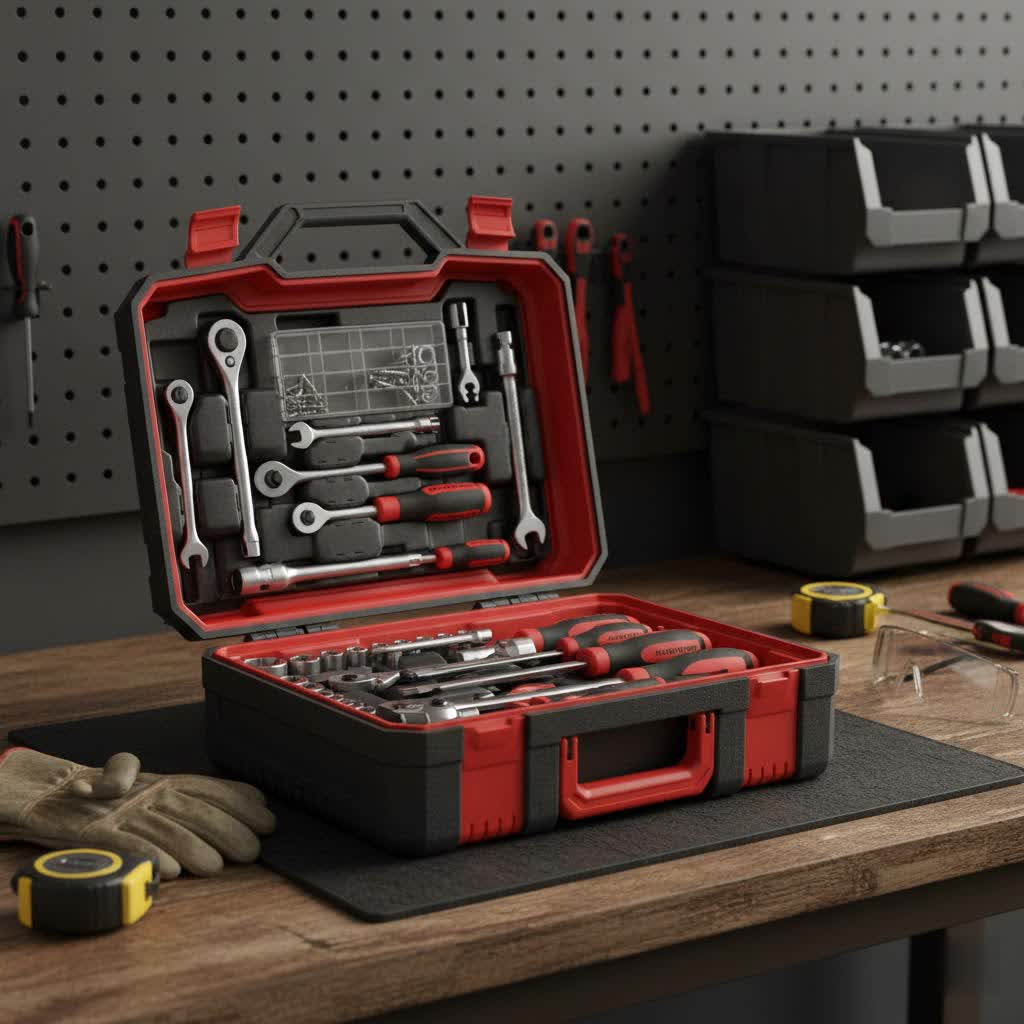
For technicians and DIY enthusiasts alike, a reliable tool box is more than just a container; it’s an essential partner that keeps your valuable tools organized, protected, and ready for action. Among the myriad of options available, the Ridgid tool box system, particularly its Pro Gear line, has carved out a significant niche. Known for striking a balance between robust construction and accessible pricing, Ridgid offers a modular solution that appeals to a wide range of users, from home project warriors to seasoned professionals on the job site. This comprehensive guide will explore the various types of Ridgid tool boxes, their standout features, practical advantages, and potential drawbacks, helping you decide if the Ridgid Pro Gear system is the right fit for your needs.
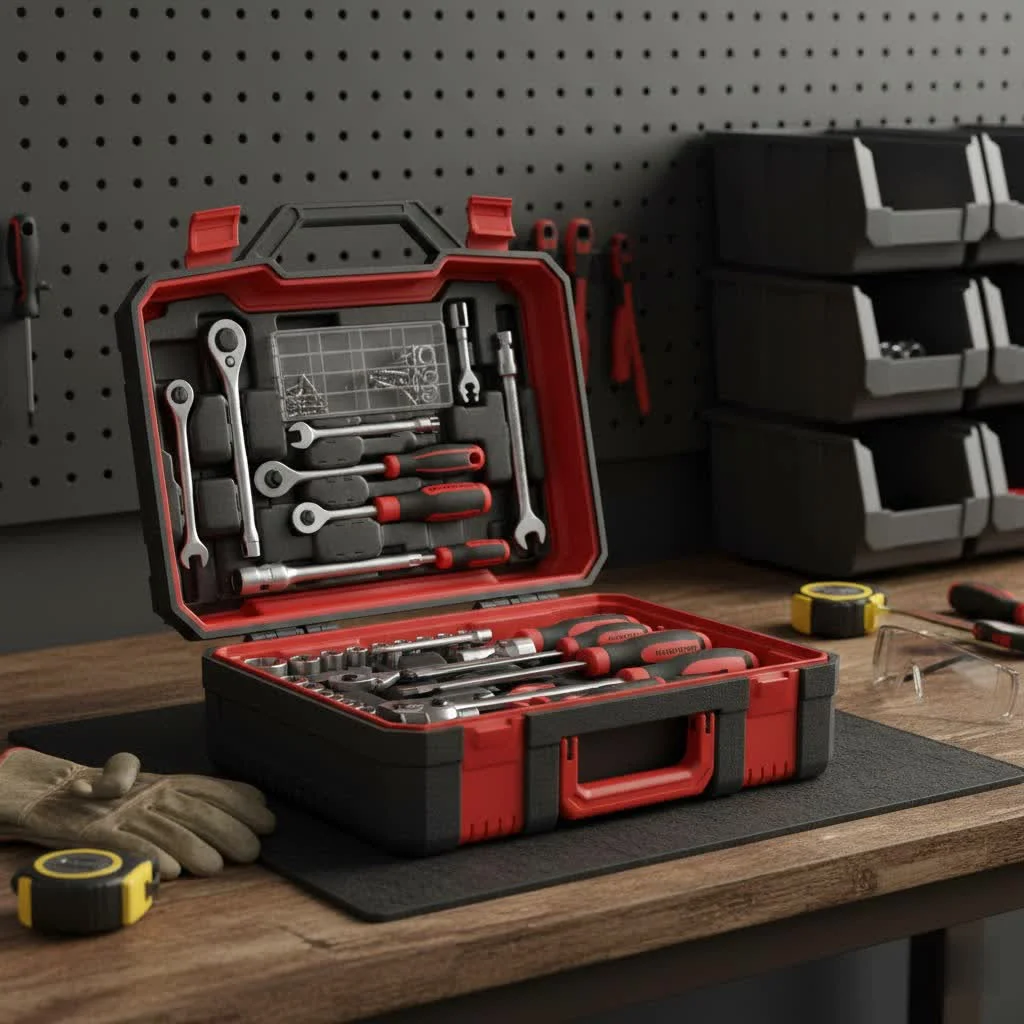
Understanding the Ridgid Tool Box Lineup: Pro Gear 1.0 vs. 2.0
Ridgid’s modular tool storage system is primarily known as the Pro Gear system, which has seen iterations and improvements over time, notably between its 1.0 and 2.0 versions. These systems are designed to offer stackable, interlocking storage solutions that can be customized to individual needs. For shop curated tool box on this site.
Common Types of Ridgid Pro Gear Tool Boxes:
The Ridgid Pro Gear system encompasses a variety of interlocking components, allowing users to build a tailored storage stack.
- XL Rolling Gear Cart: The foundation of many stacks, this large box features a telescoping handle and smooth-rolling wheels for easy transport of bulkier items. The Gen 2.0 version boasts a detachable cart, offering more flexibility.
- Medium/Large Tool Box: A versatile middle-ground box, suitable for a range of hand tools and smaller power tools.
- Small Tool Box/Power Tool Case: Ideal for individual power tools, their accessories, or organizing smaller components.
- Three-Drawer Tool Box: A popular addition, providing easy access to frequently used tools without unstacking other boxes. The 2.0 version often includes internal slots for dividers.
- Pro Organizer: Designed with multiple compartments for small parts, fasteners, and accessories.
- Pro Box (Open-Top): Offers bulk, open-top storage and good airflow, and can still have other Ridgid boxes lock on top of it.
Material and Build Quality:
Ridgid tool boxes are constructed from a high-impact resin, engineered to withstand the rigors of job site environments and provide impact resistance. Metal latches secure the boxes tightly, giving a confident and secure closure. Many boxes also feature a weatherproof gasket (often IP65 rated) within the lid, offering protection against dust and water intrusion, a crucial feature for safeguarding tools in diverse weather conditions.
Ridgid Pro Gear 2.0 System Innovations:
|
Our Picks for the Best Tool Box in 2026
As an Amazon Associate I earn from qualifying purchases.
|
||
| Num | Product | Action |
|---|---|---|
| 1 | Heavy Duty Tool Bag 15-Inch, 16-Pocket Portable Empty Tool Box Organizer, Big Storage Toolbox Organization, Soft Handle Large Zipper Carrying Toolbag, Valentines Day Gifts for Him Dad Men, Green |

|
| 2 | VEVOR Mechanics Tool Set, 308-Piece Mechanic Tool Kit, 1/4 in, 3/8 in, and 1/2 in Drive, SAE and Metric Socket Set, Wrenches, Screwdriver Bits, Accessories, and Storage Case, for Automotive Repair |
|
| 3 | Keter Stack N’ Roll 3-Piece Rolling Tool Box System – Stackable Modular Tool Organizer with Wheels, Clear Lid Small Parts Storage & Locking Latches for Garage, Workshop & DIY |
|
| 4 | Tidy Tool Organizer for 20V Brushless Drill and Packout Compact Tool Box |
|
| 5 | DEWALT 192 Pcs. Mechanics Tool Set, 1/2, 1/4, 3/8 Socket Set, SAE and Metric Socket Wrench Set, Hard Shell Tool Box (DWMT75049) |
|
| 6 | beyond by BLACK+DECKER BLACK+DECKER BDST60500APB Stackable Storage System - 3 Piece Set (Small, Deep Toolbox, and Rolling Tote) |
|
| 7 | CRAFTSMAN Tool Box, Lockable, 16 in., Red/Black (CMST16901) |
|
| 8 | DEWALT TSTAK Tool Box, Deep, Long Handle, Extra Large Design, Fixed Divider for Tool Organization, Water and Debris Resistant (DWST17814) |
|
| 9 | DEWALT TSTAK Tool Box, Extra Large Design, Removable Tray for Easy Access to Tools, Water and Debris Resistant (DWST17806) |
|
| 10 | CRAFTSMAN Tool Box, Tool Storage, Lockable, Black, 16 Inch (CMST16005) |
|
The Ridgid Pro Gear 2.0 system introduced several significant enhancements over its predecessor, improving user experience and functionality. These include a revised locking system, lids designed to stay open for easier access, and integrated wall-mounting capabilities. The rolling cart in the 2.0 series also features a wider, stronger, and fully removable handle, addressing some previous design limitations.
Key Features and Benefits of Ridgid Tool Boxes
When considering a tool storage system, key factors like durability, portability, organization, and value come into play. Ridgid Pro Gear boxes aim to deliver on all these fronts.
- Robust Durability: The high-impact resin construction ensures these tool boxes can take a beating, making them suitable for demanding work environments. The metal latches further enhance their sturdiness.
- Excellent Portability: The rolling gear carts, with their durable wheels and telescoping handles, make transporting heavy loads across job sites or workshops much more manageable. The ability to detach the cart from the boxes in the 2.0 system adds to its versatility.
- Superior Organization: The modular design allows you to create a customized stack that perfectly suits your tools. With various box sizes, organizers, and optional internal dividers, keeping your tools neat and accessible is straightforward.
- Weather Protection: The IP65-rated gasket seal on most Pro Gear boxes provides essential protection against dust and water, preserving the life and condition of your tools, whether they’re stored in a garage or on an open-air job site.
- Cost-Effectiveness: Often highlighted as a “best budget” or “best bang for your buck” option, Ridgid Pro Gear offers a robust feature set and solid performance at a price point that is generally more affordable than some premium competitors. This makes it an attractive choice for DIYers and professionals seeking economical yet reliable storage.
A Comparative Look: Ridgid vs. Competitors
The modular tool box market is competitive, with major players like Milwaukee Packout and DeWalt ToughSystem. Here’s how Ridgid Pro Gear typically stacks up:
Value Proposition:
Ridgid consistently stands out for its value. While Milwaukee Packout and DeWalt ToughSystem are known for their extreme durability and extensive accessory lines, Ridgid often provides comparable core features at a more accessible price point. This makes it an excellent choice for those who prioritize budget without significantly compromising on quality.
Durability and Build:
Ridgid boxes are tough and well-built with high-impact resin and strong metal latches. They are designed to withstand typical job site abuse. However, some reviewers note that for the absolute toughest conditions, where boxes might be “thrown down a flight of stairs,” systems like Packout might offer a slightly higher degree of over-engineered ruggedness. For most daily professional and heavy-duty DIY use, Ridgid’s durability is more than adequate.
System Expandability and Features:
While Ridgid offers a solid range of modular boxes and organizers, its product line may not be as expansive as Milwaukee Packout, which boasts a vast array of specialized inserts, crates, and attachments. However, Ridgid’s unique features, such as the detachable rolling cart and the “Fix-And-Go” wall-mounting brackets in the 2.0 system, provide distinct advantages for certain users, allowing for flexible storage and transport configurations.
Potential Downsides:
One frequently mentioned concern, particularly with the rolling cart, has been the durability of the telescoping handle, with some users reporting issues after extended use. Additionally, the availability of new accessory options for the Pro Gear system can sometimes lag behind competitors, limiting choices for specialized organization needs.
How to Choose the Right Ridgid Tool Box for Your Needs
Selecting the ideal Ridgid tool box, or combination of boxes, depends largely on your specific work habits, tool collection, and mobility requirements.
- Assess Your Tool Inventory: Start by listing the types and sizes of tools you need to store. Do you have many small parts requiring organizers, or primarily large power tools needing bulk storage?
- Consider Portability: If you frequently transport tools between job sites or around a large workshop, the XL Rolling Gear Cart is a must-have. For lighter, more localized tasks, individual small or medium tool boxes might suffice.
- Determine Your Work Environment: For dusty or wet environments, the IP65 weather-sealed boxes are crucial. If you need to keep tools off the floor, consider utilizing the wall-mounting capabilities of the Pro Gear 2.0 system.
- Budget: Ridgid offers excellent value, but planning your modular stack strategically will help you maximize your investment. Consider purchasing multi-piece sets for better overall pricing.
For the aspiring tradesperson or dedicated DIYer, the Ridgid Pro Gear system presents a compelling option. Its robust construction, thoughtful modular design, and protective features offer professional-grade utility without the premium price tag.
Maintaining and Organizing Your Ridgid Tool Box
To ensure your Ridgid tool box system serves you well for years, proper organization and maintenance are key.
- Strategic Layout: Utilize the modularity by dedicating specific boxes to certain tool types or project categories. For instance, one box for electrical tools, another for plumbing, and an organizer for fasteners. This makes grabbing the right tools quick and efficient.
- Leverage Dividers and Trays: Many Ridgid boxes come with or can accommodate internal trays and dividers. Use these to prevent tools from shifting and becoming jumbled during transport, and to further segment your storage.
- Regular Cleaning: Periodically clean your boxes, especially the interior, to remove dirt, sawdust, and debris. This prevents grime buildup and keeps your tools clean. Wipe down the exterior with a damp cloth.
- Check Seals and Latches: Inspect the weatherproof seals for any cracks or damage that could compromise water and dust resistance. Ensure all metal latches are functioning smoothly and securely. A little lubrication can help keep them in top condition.
- Proper Loading: While Ridgid boxes are durable, avoid overloading them beyond their stated weight capacity, especially the rolling carts. Distribute weight evenly to prevent stress on handles and wheels.
Adopting these simple practices will not only extend the lifespan of your Ridgid tool boxes but also enhance your overall efficiency on any project.
Where to Purchase Ridgid Tool Boxes
Ridgid tool boxes, particularly the Pro Gear system, are widely available through various retailers, making them accessible to a broad customer base.
- Home Improvement Stores: Major retailers like Home Depot are primary vendors for Ridgid tools and storage solutions. You’ll often find a good selection of the Pro Gear system components in-store, allowing you to physically examine them before purchase.
- Online Retailers: E-commerce platforms also carry Ridgid tool boxes, often providing the full range of products and potentially competitive pricing. Buying online offers the convenience of home delivery and the ability to compare prices from different sellers.
- Specialty Tool Suppliers: Some dedicated tool and equipment suppliers may also stock Ridgid products, potentially offering specialized advice or access to less common components.
When purchasing, always compare prices and check for ongoing sales, as Ridgid tool boxes frequently go on promotion, offering even greater value. Pay attention to warranty information and return policies, especially when buying online.
Conclusion
The Ridgid tool box system stands as a commendable choice for anyone seeking a durable, organized, and portable solution for their tools. With its high-impact resin construction, weatherproof seals, and adaptable modular design, the Pro Gear series—especially the improved 2.0 version—offers substantial benefits for both dedicated DIYers and trade professionals. While it might not have the sheer breadth of accessories as some premium brands, its cost-effectiveness, robust build, and intelligent features like detachable rolling carts and wall-mounting options make it a formidable contender in the tool storage arena. By understanding its strengths and minor limitations, you can confidently select a Ridgid tool box setup that will enhance your efficiency and keep your valuable tools protected for years to come. What kind of projects are you tackling next that demand a better tool organization system?
Frequently Asked Questions
What makes the Ridgid Pro Gear 2.0 system different from the 1.0 version?
The Pro Gear 2.0 system introduced several key improvements, including enhanced locking mechanisms, lids that stay open without falling, integrated wall-mounting capabilities, and a redesigned, more robust, and fully removable handle on the rolling cart for better user experience and versatility.
Are Ridgid tool boxes waterproof?
Ridgid Pro Gear tool boxes typically feature an IP65-rated gasket seal in their lids, making them highly resistant to dust and water intrusion. While not fully submersible, this level of protection is sufficient to keep your tools dry and clean in most job site or outdoor conditions.
Can Ridgid tool boxes connect with other brands like Milwaukee Packout?
No, Ridgid Pro Gear tool boxes use their own proprietary interlocking system and are not designed to connect directly with modular systems from other brands like Milwaukee Packout or DeWalt ToughSystem. However, their modularity allows you to create a customized stack within the Ridgid ecosystem.
Is the Ridgid rolling tool box handle durable?
While generally robust, some users have reported concerns regarding the long-term durability of the telescoping handle on the Ridgid rolling tool box, particularly in earlier versions or under very heavy, consistent use. The 2.0 system aimed to address this with a wider and stronger design.
What is the weight capacity of a Ridgid Pro Gear Cart?
The Ridgid Mobile Gear Cart Gen 2.0 typically has a weight capacity of around 176 pounds (80 kg), placing it in a competitive range for rolling tool storage systems. Always refer to the specific product’s specifications for exact load ratings.
Get our weekly buyer guide
Practical specs, not advice. Unsubscribe anytime.
