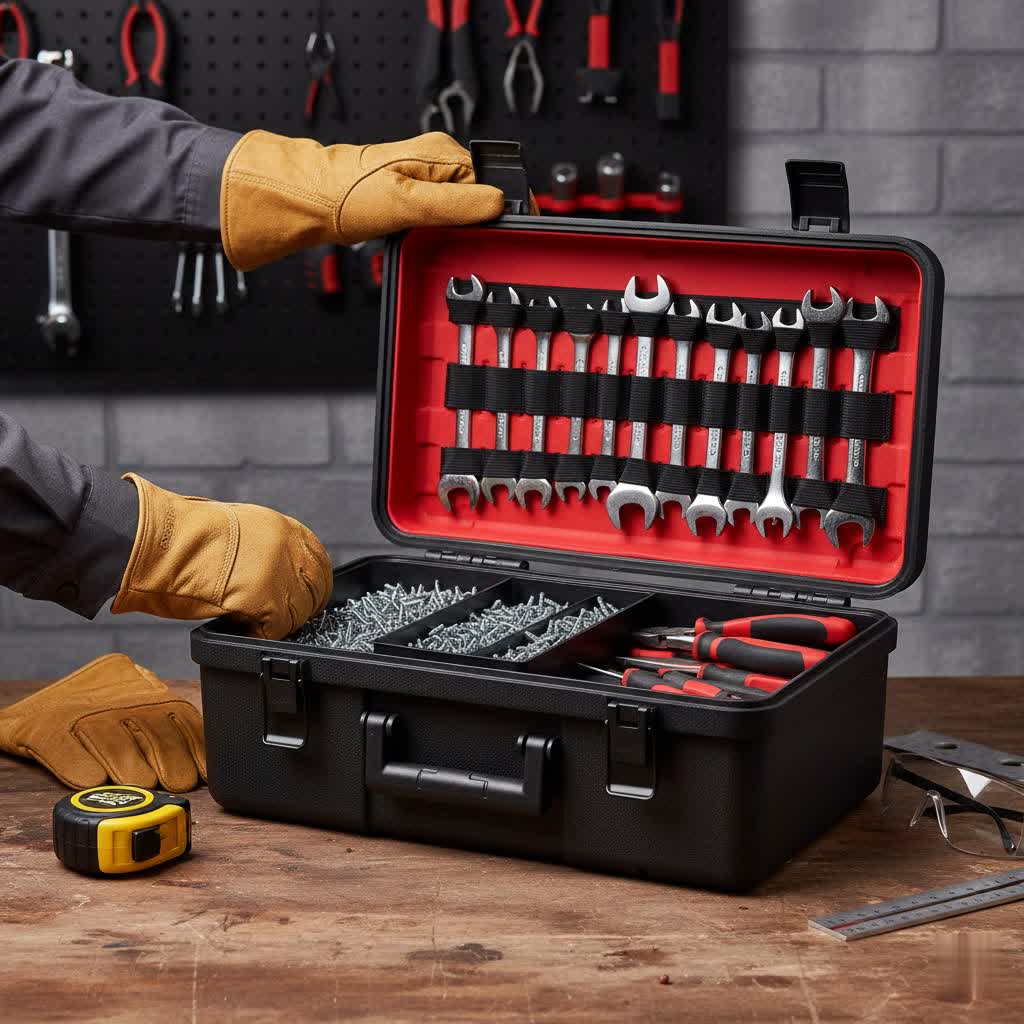
Stepping into a cluttered workspace where every tool seems to play an endless game of hide-and-seek can be incredibly frustrating, costing you precious time and hindering your productivity. Whether you’re a seasoned professional or a passionate DIY enthusiast, a well-organized tool box isn’t just a luxury; it’s a fundamental necessity that transforms chaos into efficiency. This comprehensive guide will equip you with everything you need to know about tool box organizers, from understanding the different types and top brands to selecting the perfect system for your needs and mastering the art of tool arrangement. Let’s unlock the secrets to a perfectly organized tool collection.
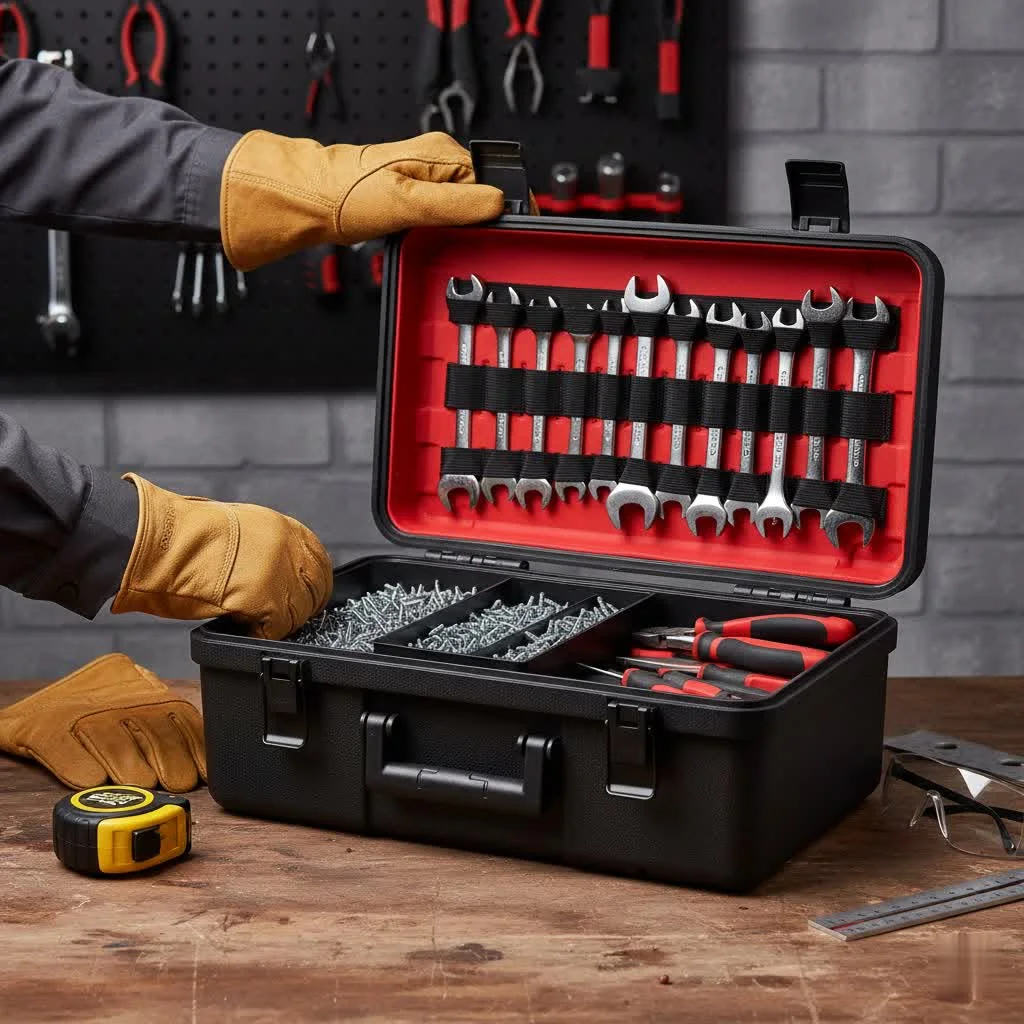
Essential Types of Tool Box Organizers
Tool box organizers come in a vast array of designs, each tailored to different tools, environments, and user preferences. Understanding these variations is the first step toward creating an orderly and efficient workspace.
Plastic Organizers
These are often lightweight, rust-resistant, and can feature transparent lids or multiple compartments, making it easy to identify contents at a glance. Many plastic organizers utilize injection molding for enhanced strength and precision. They are ideal for small parts like screws, nuts, bolts, and drill bits, offering excellent portability for those who move tools frequently. However, their durability might be less than metal options for heavy-duty use.
Metal Organizers
Constructed from steel or aluminum, metal organizers are known for their exceptional durability and strength, making them suitable for heavy-duty tools and professional environments. While heavier than plastic, they offer superior protection against impact and theft. They often come in the form of robust tool chests with multiple drawers, rolling cabinets, or cantilever-style boxes that expand for full access.
Fabric/Soft-Sided Organizers
Tool bags and pouches, typically made from durable canvas or synthetic fabrics, offer flexibility and lighter weight for carrying a selection of tools on the go. While they may lack the rigid internal compartments of hard cases, many feature numerous pockets and loops for organization. They are excellent for electricians, technicians, or anyone needing to carry essential hand tools comfortably.
Modular Systems
These highly versatile systems, like those offered by Milwaukee Packout or DeWalt ToughSystem, consist of interlocking components that can be stacked, connected, and customized. They offer unparalleled flexibility, allowing users to build a storage solution that perfectly adapts to their evolving tool collection and specific job requirements. Modular systems often include various boxes, organizers, and rolling carts.
Internal Organizers
Beyond the primary tool box, a range of internal organizers further enhances efficiency:
- Drawer Organizers: Inserts with fixed or adjustable compartments to keep tools separated within drawers.
- Magnetic Tool Holders: Bars or sheets that securely hold metal tools like wrenches, screwdrivers, and sockets, often mounted inside lids or on drawer sides.
- Socket and Wrench Rails: Designed to hold specific sizes of sockets or wrenches in an upright, easy-to-grab position.
- Foam Cutouts: Custom-cut foam inserts create a dedicated, protected slot for each tool, especially beneficial for delicate or precision instruments, preventing shifting and damage.
- Clear Bins/Containers: Small, transparent containers are perfect for categorizing and storing fasteners, electrical connectors, or other tiny components, offering immediate visual identification.
Comparing Popular Tool Box Organizer Types
Choosing the right organizer involves weighing factors like material, size, durability, and cost against your specific needs. Here’s a general comparison:
| Feature | Plastic Organizers | Metal Organizers | Fabric Tool Bags | Modular Systems |
|---|---|---|---|---|
| Material | Polypropylene, resins | Steel, Aluminum | Canvas, Nylon, Polyester | High-impact plastic, sometimes metal |
| Durability | Good for light-medium duty | Excellent for heavy-duty, impact-resistant | Varies, can be very rugged | Excellent, weather-sealed |
| Weight | Lightweight | Heavy | Lightweight to medium | Medium to heavy (when stacked) |
| Cost | Low to Medium | Medium to High | Low to Medium | Medium to High |
| Visibility | Often transparent lids | Opaque | Opaque | Often opaque, some clear lids |
| Portability | High (for smaller units) | Low (for chests), high (rolling) | Very High | High (stackable, wheeled) |
| Customization | Fixed or adjustable compartments | Drawer liners, aftermarket inserts | Pockets, loops, internal dividers | Highly customizable, interlocking |
| Best For | Small parts, hobbyists, light use | Professional shops, heavy tools | Mobile professionals, quick jobs | Versatile users, evolving needs |
Reputable Tool Box Organizer Brands
The market offers numerous brands, but some have consistently proven their commitment to quality, innovation, and user satisfaction. Here are a few well-regarded names in the tool box organizer space:
- Milwaukee: Renowned for their “Packout” system, Milwaukee offers highly durable, weather-sealed, and interlocking modular storage solutions. Their products are popular among professionals for their robust build and comprehensive range of compatible components.
- DeWalt: With their “ToughSystem” and “TSTAK” lines, DeWalt provides rugged and versatile modular storage. They emphasize durability, stackability, and often integrate features like deep drawers, clear lids, and tool-specific inserts.
- Husky: Available primarily at Home Depot, Husky offers excellent value with a range of tool chests, cabinets, and portable boxes. They are praised for their sturdy construction, ample storage, and thoughtful features like power strips and smooth-gliding drawers.
- Craftsman: A long-standing name in tools, Craftsman provides reliable and well-built storage solutions, including traditional tool chests and portable boxes. Many appreciate their balance of functionality, durability, and affordability.
- U.S. General (Harbor Freight): Known for offering budget-friendly yet surprisingly robust options, U.S. General tool carts and chests are popular among DIYers and mechanics looking for solid performance without a premium price tag.
- Bosch: The “L-Boxx” system from Bosch is a favored modular solution, particularly valued for its balance of size, weight, and stackability, making it easy to carry and store.
- ToughBuilt: Their “StackTech” system has gained rapid recognition for its innovative features, robust construction, and ease of use, including unique latching mechanisms and customizable interior options.
- Ernst Manufacturing: Specializing in internal organization, Ernst produces high-quality socket rails, wrench organizers, and drawer inserts that significantly improve the organization within any tool box or chest.
These brands consistently deliver products that meet the demands of both casual users and demanding professionals, offering various solutions to keep your tools in order.
Top 5 Tool Box Organizers Favored by Users
While specific models change, these types of tool box organizers consistently rank high for their utility and design:
- Modular Stackable Systems (e.g., Milwaukee Packout, DeWalt ToughSystem): These systems are beloved for their adaptability. Users can mix and match various-sized boxes, organizers, and rolling bases to create a custom solution. They often feature robust latches, weather sealing, and durable construction, making them perfect for job sites and workshops alike. Their ability to grow with your tool collection is a significant advantage.
- Multi-Drawer Tool Chests (e.g., Husky, Craftsman): A classic choice for stationary workshops, these chests offer dedicated space for a wide range of tools. Users appreciate the clear categorization provided by multiple drawers of varying depths, often equipped with smooth ball-bearing slides and security locks. They are ideal for organizing entire tool sets, from small hand tools to bulkier power tools.
- Small Parts Organizers with Clear Lids (e.g., Stanley SortMaster, DeWalt Pro Organizer): Essential for fasteners, electrical terminals, and drill bits, these compact organizers feature multiple small compartments, usually with removable dividers. The transparent lid allows for quick identification of contents without opening, saving time and frustration. They are incredibly useful for both standalone storage and as inserts within larger tool boxes.
- Magnetic Socket and Wrench Organizers (e.g., Ernst Manufacturing, Ares): For quick access and secure storage within drawers or on metal surfaces, magnetic organizers are invaluable. They keep sockets and wrenches neatly aligned and prevent them from rolling around. Many designs allow for vertical storage, maximizing drawer space and ensuring tools stay put even when mobile.
- Professional Tool Bags with Pockets (e.g., Klein Tools, Veto Pro Pac): While not rigid boxes, high-quality tool bags are favored by many tradespeople for their portability and extensive internal/external pockets. They are designed to carry a curated selection of essential tools comfortably, often featuring rugged bottoms and comfortable straps for ease of transport between job sites.
How to Choose the Right Tool Box Organizer
Selecting the perfect tool box organizer involves a thoughtful assessment of your specific needs. Here are the crucial factors to consider:
1. Assess Your Tool Collection and Usage
|
Our Picks for the Best Tool Box in 2026
As an Amazon Associate I earn from qualifying purchases.
|
||
| Num | Product | Action |
|---|---|---|
| 1 | VEVOR Mechanics Tool Set, 308-Piece Mechanic Tool Kit, 1/4 in, 3/8 in, and 1/2 in Drive, SAE and Metric Socket Set, Wrenches, Screwdriver Bits, Accessories, and Storage Case, for Automotive Repair |

|
| 2 | CRAFTSMAN Tool Box, Lockable, 16 in., Red/Black (CMST16901) |
|
| 3 | Heavy Duty Tool Bag 15-Inch, 16-Pocket Portable Empty Tool Box Organizer, Big Storage Toolbox Organization, Soft Handle Large Zipper Carrying Toolbag, Valentines Day Gifts for Him Dad Men, Green |
|
| 4 | Keter Stack N’ Roll 3-Piece Rolling Tool Box System – Stackable Modular Tool Organizer with Wheels, Clear Lid Small Parts Storage & Locking Latches for Garage, Workshop & DIY |
|
| 5 | DEWALT TSTAK Tool Box, Extra Large Design, Removable Tray for Easy Access to Tools, Water and Debris Resistant (DWST17806) |
|
| 6 | CRAFTSMAN Tool Box, Tool Storage, Lockable, Black, 16 Inch (CMST16005) |
|
| 7 | beyond by BLACK+DECKER BLACK+DECKER BDST60500APB Stackable Storage System - 3 Piece Set (Small, Deep Toolbox, and Rolling Tote) |
|
| 8 | DEWALT TSTAK Tool Box, Deep, Long Handle, Extra Large Design, Fixed Divider for Tool Organization, Water and Debris Resistant (DWST17814) |
|
| 9 | DEWALT 192 Pcs. Mechanics Tool Set, 1/2, 1/4, 3/8 Socket Set, SAE and Metric Socket Wrench Set, Hard Shell Tool Box (DWMT75049) |
|
| 10 | Tidy Tool Organizer for 20V Brushless Drill and Packout Compact Tool Box |
|
Start by taking stock of all your tools. Are you primarily storing small hand tools, or do you have heavy power tools? How many of each? Consider how frequently you use certain tools. This will dictate the required size, capacity, and types of internal organizers you’ll need. A small, portable box might suffice for occasional household tasks, while a professional will need a robust, high-capacity system.
2. Material and Durability
- Plastic: Good for lighter tools, rust-resistant, and often more affordable. Look for impact-resistant plastics for better longevity.
- Metal (Steel/Aluminum): Offers superior strength, protection, and security. Essential for heavy tools, demanding environments, or when theft is a concern. Welded steel construction ensures maximum durability.
- Fabric: Lightweight and flexible, ideal for portable kits. Ensure the fabric is heavy-duty and the stitching is reinforced for durability.
3. Portability vs. Stationary Use
- Stationary: If your tools mainly stay in a workshop or garage, a large, multi-drawer tool chest or cabinet is ideal. Look for sturdy casters if you need to move it around the shop.
- Portable: For on-the-go professionals or DIYers, consider rolling tool boxes with sturdy wheels and extendable handles, or compact tool bags/boxes with secure, comfortable handles. Lightweight materials are a plus for portability.
4. Organization Features and Customization
Look for organizers with:
- Multiple Compartments/Drawers: Allows for systematic sorting of different tool types and sizes.
- Removable Trays/Dividers: Offers flexibility to reconfigure space as your tool collection changes.
- Clear Lids: For small parts organizers, allowing quick identification of contents.
- Drawer Liners: Protect tools and drawer surfaces, and prevent tools from sliding.
- Modular Design: Systems that allow you to add or remove components as needed provide excellent scalability.
5. Security and Protection
If your tools are valuable or stored in shared spaces, opt for organizers with robust locking mechanisms. Weather-resistant seals are crucial if your tool box will be exposed to moisture or outdoor conditions, protecting tools from rust and corrosion.
6. Budget
Tool box organizers range widely in price. While it’s tempting to opt for the cheapest option, investing a bit more in a quality organizer can save you money in the long run by protecting your tools and improving efficiency. Balance initial cost with the long-term value, durability, and features you require.
Smart Tips for Arranging and Maintaining Your Tool Box
Even the best organizer won’t stay tidy without a system. Here are expert tips to maximize your tool box efficiency and longevity:
1. Declutter and Categorize
Start by emptying your entire tool box. Clean each tool and discard anything broken or unused. Group similar tools together (e.g., screwdrivers, wrenches, pliers, sockets). This foundational step is crucial for an effective organization.
2. Prioritize by Frequency of Use
Place your most frequently used tools in the most accessible spots – typically the top drawers or easily reachable compartments. Less used or specialized tools can go into lower or less accessible areas. This minimizes searching and speeds up your workflow.
3. Arrange by Size and Weight
For rolling tool chests, place heavier tools (like power tools, larger hammers) in the bottom drawers to maintain stability and prevent the box from tipping. Lighter items (sockets, tape measures, small hand tools) belong in the top drawers.
4. Utilize Internal Organizers
- Drawer Dividers: Use plastic or foam dividers to create dedicated slots for each tool within drawers, preventing them from mixing.
- Magnetic Strips: Install magnetic strips on the inside of lids or drawer sides to hold metal tools securely and visibly.
- Foam Cutouts (Shadowing): For precision tools or sets, create custom foam cutouts. This not only protects tools but also makes it immediately obvious when a tool is missing.
- Socket Rails & Wrench Organizers: These specialized inserts keep your sockets and wrenches neatly aligned and easy to identify by size.
- Clear Containers: Store small parts like screws, nails, or electrical connectors in small, clear, labeled containers.
5. Go Vertical
Maximize space by utilizing vertical storage solutions. Magnetic tool holders, pegboards on the back of a cabinet, or even custom PVC pipe sections can keep long tools like screwdrivers and pliers upright and easily accessible.
6. Label Everything
Clear, concise labels on drawers, compartments, and clear containers are game-changers. This simple step saves immense time and ensures that every tool has a designated home, making cleanup effortless.
7. Routine Maintenance
Make it a habit to clean and inspect your tools regularly. A quick wipe down and putting tools back in their place after each use will prevent clutter from building up and prolong the life of both your tools and your organizer.
8. Consider Tool Belts and Pouches
For immediate access to frequently used tools on a job, a well-stocked tool belt or pouch can be an extension of your organized system, keeping essentials right at your fingertips.
Where to Purchase Your Tool Box Organizer
Finding the right tool box organizer is easier than ever with numerous reputable retailers and online platforms.
Physical Stores
- Hardware Stores (e.g., Lowe’s, The Home Depot): These retailers offer a wide selection of tool boxes and organizers from popular brands like Husky, Craftsman, DeWalt, and Milwaukee. You can physically inspect the products, compare sizes, and get expert advice.
- Specialty Tool Stores (e.g., Harbor Freight Tools): Harbor Freight is known for its U.S. General line, offering durable tool storage options at competitive prices, making it a favorite for those on a budget.
Online Retailers
- Amazon: Provides an extensive marketplace with a vast array of brands and types of tool box organizers, often with competitive pricing and user reviews.
- Brand Websites: Purchasing directly from brands like Milwaukee, DeWalt, or Ernst Manufacturing ensures you get genuine products and access to their full range of accessories and modular components.
- Other Online Hardware Retailers: Websites like Northern Tool + Equipment or Zoro also carry a broad selection of industrial and professional-grade tool storage.
When purchasing online, always check product dimensions, read customer reviews, and compare shipping costs and return policies. Look for deals and bundle offers, especially for modular systems.
Conclusion
A meticulously organized tool box organizer is more than just a storage solution; it’s an investment in your efficiency, productivity, and the longevity of your valuable tools. By understanding the diverse types available, recognizing leading brands, and applying smart organizational strategies, you can transform a chaotic collection into a streamlined system where every tool has its rightful place. Embrace the satisfaction of knowing exactly where to find what you need, when you need it, and elevate your craftsmanship to new heights.
What is the single most frustrating tool you always struggle to find in your current setup, and how will a new organizer help you conquer that challenge?
Frequently Asked Questions
What is the primary benefit of a tool box organizer?
The main benefit of a tool box organizer is improved efficiency and productivity. By keeping tools neatly categorized and easily accessible, you save time searching for the right tool, reduce frustration, and minimize the risk of misplacing or damaging equipment.
How do I decide between a plastic and a metal tool box organizer?
Choose plastic for lighter tools, portability, and rust resistance, especially for small parts or hobby use. Opt for metal for heavy-duty applications, superior durability, impact protection, and enhanced security, typically for professional workshops or valuable tool collections.
Are modular tool box systems worth the investment?
Yes, modular tool box systems are often worth the investment, particularly for professionals or serious DIYers whose tool collections grow or who need versatile, portable solutions. Their ability to stack, interlock, and customize offers unmatched flexibility and scalability, adapting to changing needs.
What are some common mistakes to avoid when organizing a tool box?
Avoid overcrowding, not categorizing tools, failing to label compartments, and neglecting routine clean-up. A common pitfall is also not allocating heavier tools to lower sections of a rolling chest, which can compromise stability.
Can I create custom organization for my tool box?
Absolutely! Many users create custom foam cutouts for precision tools, repurpose PVC pipes for vertical storage of long tools, or use magnetic sheets to hold specific items. Customization ensures your organizer perfectly suits your unique tool collection and workflow.
Get our weekly buyer guide
Practical specs, not advice. Unsubscribe anytime.
