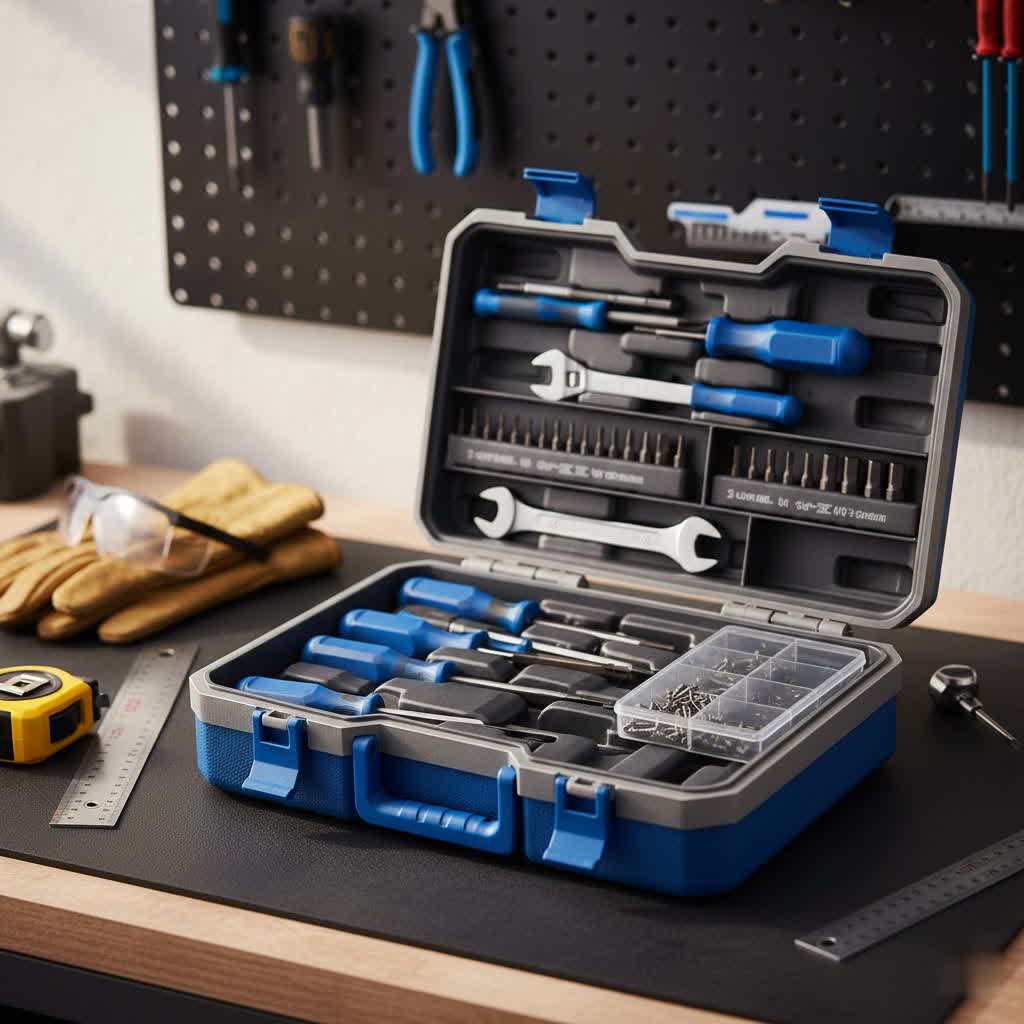
In the world of DIY projects, professional repairs, and everyday fixes, having the right tools is paramount. But equally important is having a smart way to store and transport them. Enter the mini tool box – a compact yet mighty solution designed to keep your essential tools organized, accessible, and protected. Whether you’re a seasoned technician with a decade of experience, a weekend warrior, or someone who simply needs a handy kit for household emergencies, a mini tool box can transform your approach to tool management. We’ll explore the various types, highlight top brands, offer expert advice on choosing the perfect one, and provide tips for optimal organization and maintenance, ensuring you find a companion that stands the test of time and task.
Types of Mini Tool Boxes
Mini tool boxes come in a diverse range of materials and configurations, each offering distinct advantages for different users and applications. Understanding these variations is crucial for selecting the ideal storage solution.
Materials and Their Characteristics
1. Steel Tool Boxes
Steel mini tool boxes are renowned for their robust durability and classic aesthetic. Often featuring a powder-coated finish, they offer excellent resistance to impacts and wear, making them a long-lasting choice for demanding environments. They typically come with sturdy metal latches and hinges, ensuring tools are securely stored. However, steel can be heavier than other materials and is susceptible to rust if not properly maintained, though many modern versions include rust-resistant coatings.
- Pros: Extremely durable, high impact resistance, secure, classic look.
- Cons: Heavier, potential for rust (if uncoated), can be more expensive.
- Applications: Mechanics, heavy-duty DIY, workshop use, where maximum protection is needed.
2. Plastic Tool Boxes
Plastic mini tool boxes are a popular choice due celebrated for their lightweight design and affordability. Constructed from materials like polypropylene, polyethylene, or polystyrene, they are corrosion-resistant and often feature modular designs with removable trays and dividers for excellent internal organization. While generally durable, some plastics can become brittle in cold temperatures and may crack under extreme stress.
- Pros: Lightweight, corrosion-resistant, often includes internal organizers, affordable, wide range of colors.
- Cons: Can crack or become brittle, less impact-resistant than steel.
- Applications: Home use, light DIY, electronics repair, craft supplies, students, glove box kits.
3. Aluminum Tool Boxes
Aluminum mini tool boxes strike a balance between durability and weight. They are lighter than steel, inherently rust-resistant, and offer good protection against dents and corrosion. Many aluminum boxes feature diamond plate finishes, adding to their rugged appearance and scratch resistance. They are typically priced higher than plastic options but lower than premium steel.
- Pros: Lightweight, rust-resistant, good durability, often aesthetically pleasing.
- Cons: Can be more expensive than plastic, may dent more easily than steel.
- Applications: On-the-go professionals, vehicle emergency kits, marine environments, where weight is a concern.
4. Fabric/Soft-Sided Tool Bags
While not traditional “boxes,” soft-sided mini tool bags offer unparalleled flexibility and portability. Made from durable canvas or synthetic fabrics, they are lightweight, often foldable, and can conform to various shapes. They usually feature multiple pockets and loops for organization. However, they provide less protection against impacts or moisture compared to hard-sided boxes.
- Pros: Extremely lightweight, highly portable, flexible storage, comfortable to carry.
- Cons: Less protection against impacts/moisture, may not hold shape as well, harder to keep clean.
- Applications: Car emergency kits, technicians needing to carry only essential tools, hobbyists, compact storage in tight spaces.
Configurations
|
Our Picks for the Best Tool Box in 2026
As an Amazon Associate I earn from qualifying purchases.
|
||
| Num | Product | Action |
|---|---|---|
| 1 | VEVOR Mechanics Tool Set, 308-Piece Mechanic Tool Kit, 1/4 in, 3/8 in, and 1/2 in Drive, SAE and Metric Socket Set, Wrenches, Screwdriver Bits, Accessories, and Storage Case, for Automotive Repair |

|
| 2 | DEWALT 192 Pcs. Mechanics Tool Set, 1/2, 1/4, 3/8 Socket Set, SAE and Metric Socket Wrench Set, Hard Shell Tool Box (DWMT75049) |
|
| 3 | CRAFTSMAN Tool Box, Lockable, 16 in., Red/Black (CMST16901) |
|
| 4 | DEWALT TSTAK Tool Box, Deep, Long Handle, Extra Large Design, Fixed Divider for Tool Organization, Water and Debris Resistant (DWST17814) |
|
| 5 | beyond by BLACK+DECKER BLACK+DECKER BDST60500APB Stackable Storage System - 3 Piece Set (Small, Deep Toolbox, and Rolling Tote) |
|
| 6 | Tidy Tool Organizer for 20V Brushless Drill and Packout Compact Tool Box |
|
| 7 | Heavy Duty Tool Bag 15-Inch, 16-Pocket Portable Empty Tool Box Organizer, Big Storage Toolbox Organization, Soft Handle Large Zipper Carrying Toolbag, Valentines Day Gifts for Him Dad Men, Green |
|
| 8 | CRAFTSMAN Tool Box, Tool Storage, Lockable, Black, 16 Inch (CMST16005) |
|
| 9 | DEWALT TSTAK Tool Box, Extra Large Design, Removable Tray for Easy Access to Tools, Water and Debris Resistant (DWST17806) |
|
| 10 | Keter Stack N’ Roll 3-Piece Rolling Tool Box System – Stackable Modular Tool Organizer with Wheels, Clear Lid Small Parts Storage & Locking Latches for Garage, Workshop & DIY |
|
1. Traditional Top-Open Boxes
These are the most basic and portable type, featuring a single large compartment with a lift-off lid and often a removable tray. They are straightforward and ideal for storing a core set of tools.
2. Cantilever Tool Boxes
Cantilever boxes expand to reveal multiple tiers or trays when opened, providing excellent visibility and access to tools. This design is highly efficient for organizing small parts and frequently used tools.
3. Drawer-Style Mini Chests
These miniature versions of larger tool chests feature multiple drawers, often with ball-bearing slides for smooth operation. They offer superior organization for small components and precision tools, making them suitable for electronics or fine mechanics. Some models even come with top lid compartments for additional storage.
4. Modular Tool Boxes
Designed for versatility, modular systems allow users to stack, connect, and customize their storage setup. Mini versions can integrate with larger systems or stand alone, offering adaptability as tool collections grow.
Comparison Table: Types of Mini Tool Boxes
To help you visualize the differences, here’s a detailed comparison:
| Feature | Steel Mini Tool Box | Plastic Mini Tool Box | Aluminum Mini Tool Box | Fabric/Soft-Sided Tool Bag |
|---|---|---|---|---|
| Durability | Excellent (Impact & Wear) | Good (Corrosion) | Very Good (Rust, Dents) | Moderate (Tear, Abrasion) |
| Weight | Heavy | Lightweight | Medium | Very Lightweight |
| Portability | Good (with strong handle) | Excellent | Excellent | Superior |
| Organization | Basic with trays, some drawers | Excellent (dividers, trays) | Good (often with internal dividers) | Very Good (pockets, loops) |
| Security | High (can be locked) | Moderate (can be locked) | High (can be locked) | Low (zippers, snaps) |
| Weather/Water Resistance | Moderate (if powder-coated) | Good | Excellent | Low (unless waterproof material) |
| Price Range | Medium to High | Low to Medium | Medium to High | Low to Medium |
| Typical Use | Professional, Workshop, Heavy DIY | Home, Light DIY, Crafts | Automotive, Outdoor, Field Work | On-the-go, Specific kits, Car |
Reputable Mini Tool Box Brands
When investing in a mini tool box, brand reputation often correlates with quality, durability, and customer support. Here are some of the trusted names in the market:
- Trusco: Known for their durable, aesthetically pleasing steel tool boxes, often featuring two-tiered storage systems and quality construction. The Trusco ST-350-B is a highly-rated model.
- Hyper Tough (Walmart): Offers budget-friendly options, frequently including steel construction with ball-bearing slides and pre-cut non-slip drawer liners. They are praised for good value.
- Kobalt (Lowe’s): Provides various mini tool boxes, including modular systems that are compatible with their larger storage lines. Their mini tool boxes often feature friction slides or ball-bearing slides and good internal organization.
- US General (Harbor Freight): Offers solid steel mini tool boxes with ball-bearing drawer slides in a range of colors, known for their decent quality at an affordable price point.
- VEVOR: Features portable metal tool boxes, often with cantilever designs and sturdy steel construction, providing good value for those seeking durability without a high cost.
- Gearwrench: Has entered the mini tool box market with models like the GWBXMINIS, featuring quality steel construction, ball-bearing slides, and a distinctive two-tone finish, catering to professional users.
- Stanley: A long-standing name in tools and storage, Stanley offers a variety of plastic and metal mini tool boxes, including portable options with removable trays and robust latches.
- Husky (Home Depot): Provides affordable and durable mini tool boxes, often made from rugged resin or steel, suitable for various home and light professional uses.
Top 5 Mini Tool Boxes Currently Popular
Based on user reviews and market presence, these five mini tool boxes stand out for their features, durability, and overall value.
1. Trusco ST-350-B 2-Level Tool Box
This Japanese-made steel tool box consistently earns high praise for its robust build and practical two-tiered design. It measures approximately 13.5 x 6.25 x 7.25 inches and weighs around 5 pounds. The main compartment holds larger tools, while the top tray offers multiple separators for small parts. Its smooth hinges and rust-resistant coating ensure longevity. It’s an excellent choice for those who value organization and a classic, durable design.
2. Hyper Tough Mini Steel Tool Box (Walmart)
A strong contender for budget-conscious buyers, Hyper Tough offers steel mini tool boxes with ball-bearing drawer slides and pre-cut non-slip liners. These boxes are often praised for their surprising quality given their affordable price. They come in various colors and are a great starting point for young DIYers or for organizing specific smaller tool sets. The top lid design is often a favorite for quickly accessing frequently used items like rotary tools.
3. Kobalt Mini Tool Box (Lowe’s)
Kobalt’s mini tool boxes are noted for their compatibility with their wider modular storage systems, allowing for expandable organization. While some models feature friction slides, they are generally well-built with steel construction and a powder-coat finish. They hold up to 5 lbs per drawer and are ideal for those who already use or plan to integrate into the Kobalt system.
4. VEVOR 14” 2-Tier Metal Portable Tool Box
This VEVOR model is a practical and affordable option, typically made of steel and featuring a cantilever design with two levels of storage. Measuring around 14 inches long, 6.5 inches high, and almost 8 inches wide, it’s a good size for portable use. Users appreciate its solid steel construction compared to plastic alternatives, especially for durability in varying climates. It’s often lockable, adding a layer of security.
5. Gearwrench GWBXMINIS Mini Tool Box
The Gearwrench mini tool box is a newer entry, boasting a distinctive orange and black color scheme. It features two drawers with quality ball-bearing slides and a top lid compartment. Constructed with 20-gauge steel for the body and 22-gauge for the drawers, it emphasizes durability. Its “no-flop quality hinge” and hang hook for roller cabinets make it a professional-grade compact choice.
How to Choose a Suitable Mini Tool Box
Selecting the right mini tool box requires careful consideration of your specific needs, the types of tools you own, and how and where you’ll be using it.
Key Factors to Consider
-
Size and Capacity:
- Tool Size: Assess the largest tools you intend to store. Mini tool boxes vary, with some accommodating small hammers and wrenches, while others are better suited for precision instruments.
- Quantity: Consider how many tools you need to store. A simple top-open box might suffice for a few essentials, while multiple drawers are better for a larger collection of small parts.
- Space Available: Where will you keep the tool box? In a car glove compartment, a desk drawer, or a workshop shelf? Measure your available space.
-
Material and Durability:
- Usage Environment: For rough job sites or outdoor use, steel or aluminum offers superior protection. For indoor, light-duty tasks, plastic is often sufficient.
- Longevity: If you want a box that lasts decades, invest in quality steel with good finishes. For occasional use, a plastic option is economical.
-
Portability:
- Weight: If you’ll be carrying it frequently, a lightweight plastic or fabric bag is ideal. Steel can be heavy, especially when full.
- Handle: Look for a comfortable, sturdy handle. Metal handles are durable, while ergonomic plastic handles can reduce strain.
- Transport Method: For a car, a compact soft bag might be best. For a workshop, a mini chest with drawers might stay put.
-
Organization Features:
- Dividers and Trays: Removable trays and adjustable dividers are excellent for categorizing small items like screws, bits, or electronic components.
- Drawers: Ball-bearing slides on drawers offer smooth operation and durability, a significant upgrade over friction slides.
- Top Compartment: A lift-top area is useful for frequently accessed tools or larger items.
-
Security:
- Latches: Look for strong metal latches over plastic ones.
- Lockability: Many mini tool boxes feature a padlock eye for added security, important if you’re transporting valuable tools or storing them in a shared space.
-
Price:
- Budget: Mini tool boxes range from under $20 for basic plastic models to over $100 for premium steel options. Determine your budget but remember that investing in quality often saves money long-term.
Advice for Specific Needs
- For Car Emergencies: Opt for a durable, compact plastic or fabric bag that can withstand temperature changes and won’t rattle excessively. Focus on essential tools like screwdrivers, pliers, a wrench, jumper cables, and a tire repair kit.
- For Electronics Repair: Look for mini tool boxes with multiple small, customizable compartments or drawers. ESD-safe (electrostatic discharge) options are a plus for sensitive components. Precision screwdriver sets often come in their own compact cases, which can be stored within a larger mini box.
- For Home & DIY: A versatile plastic or smaller steel box with a removable tray is usually sufficient. Consider what common repairs you tackle and ensure the box can accommodate those tools.
Tips for Organizing and Maintaining Your Mini Tool Box
An organized tool box not only saves time but also extends the life of your tools. Proper maintenance ensures your mini tool box remains functional for years.
Efficient Organization
- Categorize Your Tools: Group similar tools together. All screwdrivers in one section, pliers in another, wrenches, and so forth.
- Utilize Dividers and Trays: Use the internal compartments, removable trays, and adjustable dividers to separate small parts (screws, nails, bits) from larger tools. This prevents clutter and makes items easy to find.
- Prioritize Accessibility: Place frequently used tools in the top tray or easily accessible drawers. Less-used items can go in lower compartments.
- Use Foam Inserts: For delicate or precision tools (like those for electronics), custom foam inserts can hold them securely in place, preventing damage and rattling.
- Labeling: Consider labeling drawers or compartments for quick identification, especially if you have multiple small tool boxes for different purposes (e.g., “Electrical,” “Plumbing”).
- Downward Facing Tools: Store screwdrivers and other long tools with their handles facing up for easy gripping.
Maintenance Tips
- Regular Cleaning: Periodically empty your mini tool box and wipe it down, removing dust, grime, and any metal shavings that could cause rust or damage.
- Check for Rust: For steel boxes, regularly inspect for any signs of rust. Address it promptly with rust removers and consider applying a protective coating if necessary.
- Lubricate Moving Parts: If your mini tool box has drawers with ball-bearing slides or hinges, apply a light lubricant occasionally to ensure smooth operation.
- Avoid Overloading: Do not exceed the weight capacity of your tool box or its drawers. Overloading can damage the structure, latches, or slides.
- Store in a Dry Place: Regardless of material, storing your tool box in a dry environment will prolong its life, especially for metal boxes susceptible to moisture.
- Inspect Latches and Handles: Before each use, quickly check that latches are functioning correctly and the handle is secure, preventing accidental spills or drops.
Where to Purchase Your Mini Tool Box
Finding the ideal mini tool box involves knowing where to look for quality, variety, and competitive pricing.
Recommended Retailers
- Hardware Stores: Local hardware stores like Lowe’s and Home Depot (which carry brands like Kobalt and Husky) offer a good selection, allowing you to physically inspect the boxes.
- Big Box Retailers: Walmart is a great source for budget-friendly options, including their Hyper Tough brand.
- Specialty Tool Stores: Stores like Harbor Freight (with their US General brand) often have a wide range of sizes and types, sometimes at competitive prices.
- Online Marketplaces: Amazon, eBay, and direct brand websites (e.g., VEVOR, Gearwrench, Stanley) provide the largest selection, often with customer reviews that can guide your decision. Be sure to check shipping costs and return policies.
Comparison Shopping Tips
- Read Reviews: Online reviews offer valuable insights into real-world performance, durability, and common issues.
- Compare Features: Look beyond price. A slightly more expensive box with ball-bearing slides or better latches might be a better long-term investment.
- Check Warranty: A good warranty indicates a manufacturer’s confidence in their product’s quality. Brands like BoxoUSA even offer a hassle-free lifetime warranty on their hand-carry tool boxes.
“A well-chosen mini tool box is more than just storage; it’s an extension of your efficiency and care for your craft. Don’t underestimate the power of compact organization.” – Admin, Reviewtatca.com, Experienced Tool & Equipment Technician
Conclusion
A mini tool box is an indispensable asset for anyone who values organization, efficiency, and the protection of their tools. From the rugged reliability of steel to the lightweight convenience of plastic and the specialized designs for electronics, there’s a perfect compact storage solution waiting for every need. By considering factors like material, size, portability, and organizational features, and by exploring reputable brands such as Trusco, Hyper Tough, Kobalt, and Gearwrench, you can make an informed choice that enhances your workflow and extends the life of your essential instruments. Remember to maintain your box and organize your tools meticulously, because a tidy space leads to a sharper mind and more successful projects.
What essential tools are you looking to organize in your next mini tool box?
Frequently Asked Questions
What is the ideal size for a mini tool box?
The ideal size depends entirely on your intended use. For a car emergency kit, a box around 10-14 inches long is usually sufficient. For electronics or hobby tools, smaller boxes with many compartments are better. Always measure the largest tools you plan to store and the space where the box will reside.
Are plastic mini tool boxes durable enough?
Yes, for light-duty use, home repairs, or organizing smaller items, many plastic mini tool boxes made from high-quality polypropylene are quite durable and corrosion-resistant. However, they may not withstand heavy impacts or extreme temperatures as well as steel or aluminum.
Can I stack mini tool boxes?
Some mini tool boxes are designed to be stackable or part of a modular system (like Kobalt’s or Hyper Tough’s Hyper Stack series), allowing you to build customized storage solutions. Always check the product specifications to ensure safe and stable stacking.
What are ball-bearing slides, and why are they important in mini tool boxes?
Ball-bearing slides are a mechanism used in drawers that allow them to open and close smoothly and effortlessly, even when heavily loaded. They are crucial for durability and ease of use, preventing drawers from sticking or sagging, particularly in mini tool boxes with multiple drawers.
How do I prevent my tools from rusting inside a metal mini tool box?
To prevent rust, ensure tools are clean and dry before storage. You can also place desiccant packets (like silica gel) inside the box to absorb moisture. For long-term storage, consider applying a thin layer of oil to metal tools.
Get our weekly buyer guide
Practical specs, not advice. Unsubscribe anytime.
