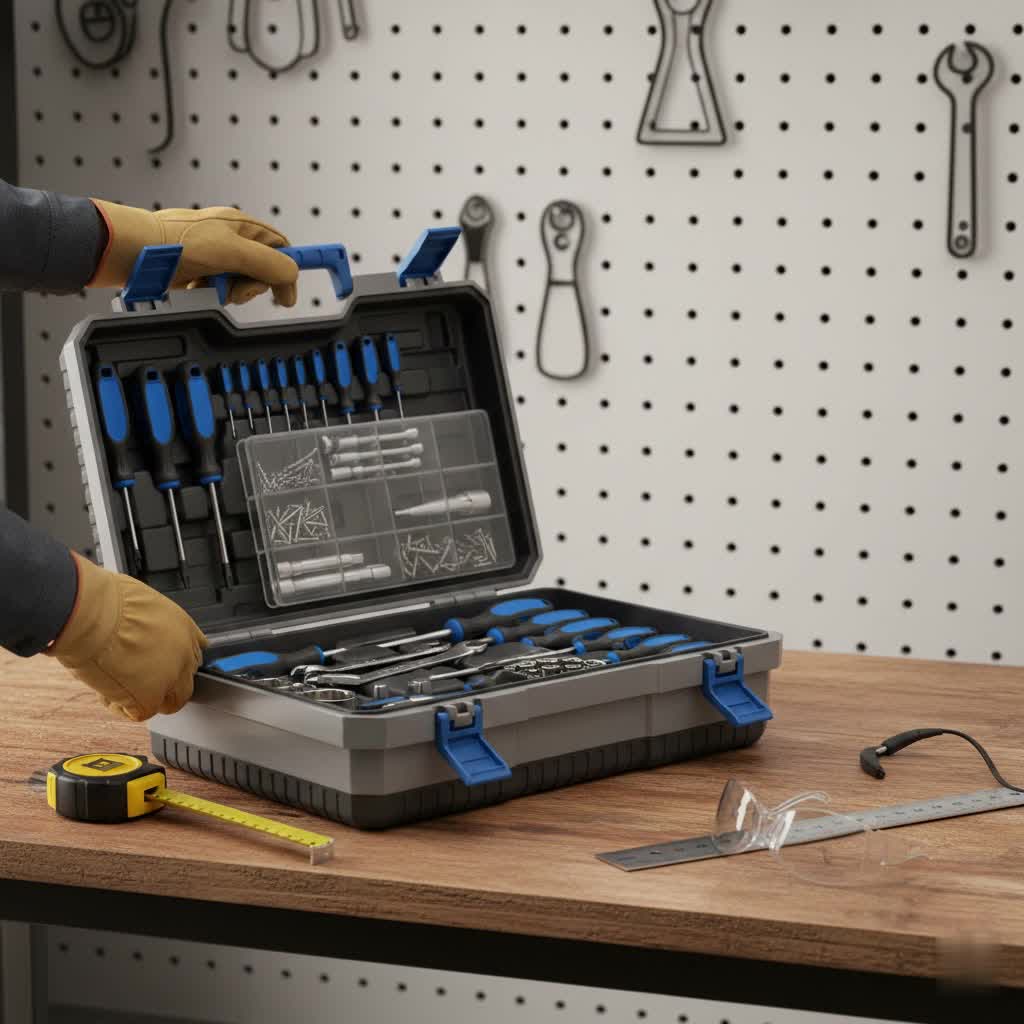
Hello! As the Admin of reviewtatca.com and a technician with over a decade of hands-on experience in tools and equipment, especially with tool boxes, I’m excited to share my insights with you. From simple home organizers to robust professional chests, I’ve worked with them all. Choosing the right tool box is more than just picking a container; it’s about optimizing your workflow, protecting your investment, and making your work easier and more efficient. In this comprehensive guide, we’ll explore the various types, materials, top brands, and crucial factors to consider when selecting the tool box that perfectly fits your needs.
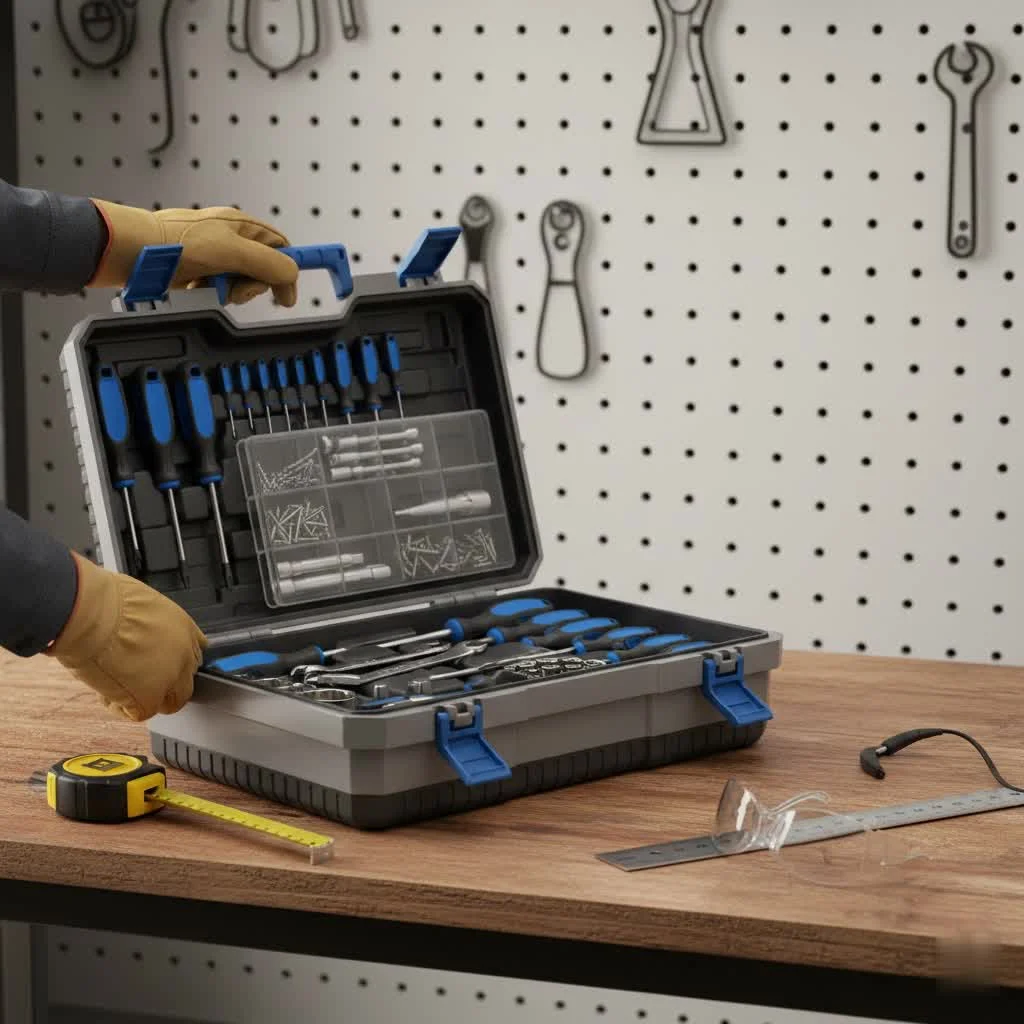
A well-chosen tool box can transform chaos into order, ensuring every wrench, drill, and fastener has its place. It’s an indispensable asset for any DIY enthusiast, homeowner, or seasoned professional. But with so many options available, how do you sift through the choices to find the one? Let’s dive in and unlock the secrets to finding your ideal tool storage solution.
Exploring Diverse Tool Box Types
Tool boxes come in an astonishing array of shapes, sizes, and configurations, each designed to cater to specific needs and work styles. Understanding these variations is the first step in making an informed decision.
Hand-Carry Tool Boxes
These are the quintessential portable tool storage solutions, often recognized by their single lid and sturdy handle. Typically made from plastic or metal, they are ideal for carrying a select set of essential tools for smaller jobs or quick fixes around the house.
- Plastic Hand-Carry: Lightweight and rust-proof, plastic models are excellent for DIYers and those who need to transport a moderate number of tools without added bulk. They often feature removable trays and small compartments for organized storage of bits, screws, and other small items.
- Metal Hand-Carry: Offering superior durability and strength, metal hand-carry tool boxes (often steel or aluminum) are built to withstand tougher conditions and heavier loads. They are a classic choice for durability and security, though they tend to be heavier than their plastic counterparts.
Rolling Tool Boxes and Carts
When your tool collection grows beyond what you can comfortably carry, rolling tool boxes become invaluable. These units feature wheels and a telescoping handle, making heavy loads easily transportable across a workshop, garage, or job site.
- Rolling Tool Boxes: These combine the portability of a hand-carry box with the ease of wheeled transport. Many are designed as modular systems, allowing different boxes to stack and lock together for a customized mobile workstation.
- Rolling Tool Carts: Larger than typical rolling tool boxes, carts often feature multiple drawers, a top compartment, and sometimes a work surface. They are excellent for keeping a comprehensive set of tools mobile within a larger workspace, offering both storage and a convenient place to work.
Tool Chests and Cabinets
|
Our Picks for the Best Tool Box in 2026
As an Amazon Associate I earn from qualifying purchases.
|
||
| Num | Product | Action |
|---|---|---|
| 1 | CRAFTSMAN Tool Box, Lockable, 16 in., Red/Black (CMST16901) |

|
| 2 | beyond by BLACK+DECKER BLACK+DECKER BDST60500APB Stackable Storage System - 3 Piece Set (Small, Deep Toolbox, and Rolling Tote) |
|
| 3 | DEWALT TSTAK Tool Box, Extra Large Design, Removable Tray for Easy Access to Tools, Water and Debris Resistant (DWST17806) |
|
| 4 | Tidy Tool Organizer for 20V Brushless Drill and Packout Compact Tool Box |
|
| 5 | Heavy Duty Tool Bag 15-Inch, 16-Pocket Portable Empty Tool Box Organizer, Big Storage Toolbox Organization, Soft Handle Large Zipper Carrying Toolbag, Valentines Day Gifts for Him Dad Men, Green |
|
| 6 | VEVOR Mechanics Tool Set, 308-Piece Mechanic Tool Kit, 1/4 in, 3/8 in, and 1/2 in Drive, SAE and Metric Socket Set, Wrenches, Screwdriver Bits, Accessories, and Storage Case, for Automotive Repair |
|
| 7 | CRAFTSMAN Tool Box, Tool Storage, Lockable, Black, 16 Inch (CMST16005) |
|
| 8 | DEWALT 192 Pcs. Mechanics Tool Set, 1/2, 1/4, 3/8 Socket Set, SAE and Metric Socket Wrench Set, Hard Shell Tool Box (DWMT75049) |
|
| 9 | DEWALT TSTAK Tool Box, Deep, Long Handle, Extra Large Design, Fixed Divider for Tool Organization, Water and Debris Resistant (DWST17814) |
|
| 10 | Keter Stack N’ Roll 3-Piece Rolling Tool Box System – Stackable Modular Tool Organizer with Wheels, Clear Lid Small Parts Storage & Locking Latches for Garage, Workshop & DIY |
|
For those with extensive tool collections or a dedicated workspace, tool chests and cabinets provide robust, stationary storage. These units are typically heavy-duty steel constructions designed for long-term organization and protection.
- Tool Chests: Often sitting atop a cabinet, a tool chest features multiple drawers of varying sizes, perfect for organizing hand tools, power tool accessories, and smaller components. Many come with ball-bearing slides for smooth drawer operation and can be locked for security.
- Tool Cabinets: These are larger, floor-standing units with many drawers and sometimes larger storage areas for power tools. They serve as the backbone of a professional workshop, offering immense capacity and high security for valuable tools. Many models now include integrated power strips, turning them into complete workstations.
Modular Tool Box Systems
Modular systems, like those from DeWalt’s TSTAK or Milwaukee’s Packout, are a modern solution for versatile tool storage. They consist of interlocking units that can be configured and reconfigured to suit different job requirements.
- Advantages: Exceptional flexibility, stackable design for space-saving, and often weather-resistant, making them ideal for contractors who move between multiple job sites.
- Applications: Perfect for professionals who need to transport specific tool sets, as they allow for easy customization and expansion.
Tool Bags (Soft Tool Boxes)
Made from durable fabrics like canvas or nylon, tool bags offer lightweight, flexible, and often more ergonomic ways to carry tools. They typically feature numerous pockets and compartments, both internal and external.
- Benefits: Excellent for electricians, plumbers, or field technicians who need quick access to a variety of small to medium-sized tools. Their soft construction often allows them to fit into tighter spaces than rigid boxes.
- Considerations: While portable, they offer less protection against impacts or moisture compared to hard-shell boxes.
Truck Tool Boxes
These are specialized tool boxes designed to be mounted in the bed of a pickup truck or other utility vehicles. They are built for extreme durability and weather resistance, providing secure storage for tools on the go, often made from heavy-gauge aluminum or steel.
Tool Box Material Comparison
The material of your tool box significantly influences its durability, weight, cost, and suitability for different environments.
| Material | Mobility | Durability | Cost | Best For | Key Characteristics |
|---|---|---|---|---|---|
| Plastic | High | Medium | Low | DIY, light household tasks, hobbyists | Lightweight, rust-proof, affordable, good for organization, less impact resistant. |
| Aluminum | High | High | Medium | Portability, outdoor use, truck beds | Lightweight yet strong, corrosion-resistant, good balance of durability and portability. |
| Steel | Low-Medium | Very High | Medium-High | Heavy-duty, workshop, professional use | Extremely durable, strong, long-lasting, heavy, prone to rust if not coated. |
| Stainless Steel | Low-Medium | Very High | High | Harsh environments, clean rooms, rust-prone | Excellent corrosion resistance, strong, aesthetically pleasing, premium option. |
| Fabric (Nylon/Canvas) | Very High | Low-Medium | Low-Medium | Mobile technicians, quick access, delicate tools | Lightweight, flexible, many pockets, less protective against impacts, ergonomic carry. |
Reputable Tool Box Brands You Can Trust
Choosing a tool box from a reputable brand ensures you’re investing in quality, durability, and reliable performance. Here are some of the most trusted names in the industry:
- Husky: A surprising front-runner in many reviews, Husky offers exceptional value for money with well-built tool chests, rolling carts, and portable boxes. They are praised for their durability, diverse range of options, and thoughtful features, making them a top choice for both homeowners and professionals.
- CRAFTSMAN: With a long-standing history of reliability, CRAFTSMAN continues to deliver classic designs with modern features. Their tool boxes and chests are known for deep drawers, solid construction, and are a trusted brand for many starting their tool collection.
- DEWALT: Renowned for its durable power tools, DeWalt also excels in storage solutions, particularly with its TSTAK and ToughSystem modular lines. These composite boxes are designed for harsh jobsite conditions, offering impressive stackability, weather resistance, and security features.
- Milwaukee: A favorite among professionals, Milwaukee’s Packout system and industrial steel storage solutions are built for heavy-duty use. They are celebrated for high capacity, robust construction, deep soft-close drawers, and integrated power options, making them ideal for comprehensive tool organization.
- Snap-on: Considered the gold standard in professional-grade tool storage, Snap-on tool boxes are a significant investment known for unparalleled quality, longevity, and resale value. While expensive, their smooth drawer action, top-notch security, and exceptional build make them a lifetime purchase for serious mechanics and tradespeople.
- U.S. General (Harbor Freight): This brand offers excellent value, providing many features found in much more expensive tool chests at a fraction of the cost. U.S. General carts and roll cabs are known for their sturdy construction and impressive weight capacities, making them a popular choice for those seeking quality on a budget.
- Gearwrench: This brand offers solid portable steel tool boxes, often featuring multiple drawers for organized storage. They are a good option for those needing a compact, durable, and secure steel box without the bulk of larger chests.
Top 5 Tool Boxes to Consider Today
Based on performance, value, and user satisfaction, here are some top tool box recommendations that stand out:
- Husky 46-inch Mobile Workbench: This popular option provides a durable workstation with a hardwood top and generous storage, featuring multiple drawers with varying capacities. It offers excellent mobility and value for a comprehensive garage setup.
- DEWALT TSTAK II or Rolling Mobile Toolbox: Part of a versatile modular system, these boxes are constructed from durable composite material, offering excellent protection and stackability. The rolling version features an extendable handle and robust wheels for easy transport across challenging terrains.
- Gearwrench 20-inch 3-Drawer Steel Tool Box: For those needing a portable yet sturdy steel option, this Gearwrench model provides three smooth-gliding drawers and a top compartment. Its steel construction offers good durability for its size, making it suitable for professionals who need organized, mobile storage for essential hand tools.
- Craftsman 2000 Series 5-Drawer Rolling Tool Chest: This rolling chest offers a classic steel design with five spacious drawers, providing ample room for organizing a diverse tool collection. It’s a reliable choice for homeowners and DIYers looking for durable and functional storage that’s also easy to move around.
- Milwaukee Packout Modular Storage System: This isn’t a single tool box but a highly acclaimed modular system. Its components, including rolling bases, organizers, and larger boxes, securely interlock, offering unparalleled customization, durability, and weather resistance for professional job sites.
“A tool box isn’t just storage; it’s an extension of your craft. The right one simplifies your work, protects your assets, and enhances your efficiency day in and day out.” – Admin, reviewtatca.com
Your Essential Guide to Choosing the Right Tool Box
Selecting the perfect tool box requires thoughtful consideration of your individual needs, work environment, and budget. Here’s a detailed guide to help you make the best choice:
1. Assess Your Tool Collection and Needs
Before anything else, take stock of your tools.
- Size and Quantity: Do you primarily own hand tools, or do you have a mix of power tools, larger equipment, and a vast collection of smaller items? This will dictate the required capacity and internal organization.
- Frequency of Use: Do you use tools daily, or are they for occasional DIY projects? Daily users will benefit from robust, highly accessible storage, while occasional users might prioritize portability or compact solutions.
- Work Environment: Will your tool box stay in a garage, or will it be subjected to construction sites, outdoor conditions, or frequent transport? This influences material choice and weatherproofing needs.
2. Consider Material: Durability vs. Weight
The material is a critical factor, directly impacting the tool box’s longevity and portability.
- Heavy-Duty Work: If you need maximum protection and strength for a fixed workshop or heavy-duty use, steel or stainless steel are excellent choices due to their superior durability and impact resistance.
- Portability: For frequent transport, aluminum offers a great balance of strength and lightness, resisting rust. Plastic and fabric options are the lightest, ideal for carrying lighter loads, though less robust. Composite materials, a blend of plastic and other materials, offer enhanced durability over standard plastic.
3. Capacity and Organization Features
A good tool box isn’t just about space; it’s about usable space.
- Internal Organization: Look for features like removable trays, adjustable dividers, and various-sized compartments to keep tools sorted and easily accessible.
- Drawers: Ball-bearing drawer slides ensure smooth operation, especially under heavy loads. Consider drawers with latching mechanisms to prevent accidental opening during transport.
- Modularity: If your collection is growing or you need different setups for various tasks, a modular system allows you to add or remove components as needed.
4. Security Measures
Protecting your valuable tools is paramount.
- Locking Mechanisms: Most quality tool boxes come with latches and a padlock eye. Tool chests often feature integrated key locks that secure multiple drawers.
- Robust Latches: Metal latches are generally more secure and durable than plastic ones.
- Construction: Welded seams and heavy-gauge materials offer superior resistance against forced entry.
5. Mobility and Portability
How and where you move your tools will dictate mobility features.
- Handles: Look for ergonomic, sturdy handles, especially on portable boxes. Side handles can be useful for lifting heavier boxes into vehicles.
- Wheels: If you transport heavy tools, invest in a rolling tool box with robust wheels (larger wheels handle rough terrain better) and a reliable telescoping handle. Locking casters are essential for stationary security on rolling cabinets.
- Weight Capacity: Check the maximum load capacity, especially for rolling units and drawers, to ensure it can handle your heaviest tools.
6. Budget and Value
Tool boxes range widely in price. While a higher price often indicates better materials and features, excellent value can be found across all price points.
- Investment vs. Cost: Consider your tool box an investment. A durable, well-organized tool box will protect your tools and save you time, paying for itself over its lifespan.
- Long-Term Needs: Avoid buying a box that’s “just enough” for now; consider how your tool collection might expand in the future.
Advice for Different Users:
- Homeowners/DIYers: A sturdy plastic or small metal hand-carry box, or a compact rolling unit, might suffice for general tasks. Focus on good internal organization for common tools.
- Professionals/Tradespeople: Prioritize durability, capacity, and mobility. Modular systems, heavy-duty rolling chests, or truck boxes are often the best fit. Look for weatherproofing and security.
- Hobbyists/Crafters: Organization is key. Smaller, multi-compartment plastic boxes or tool bags can be excellent for specialized tools and accessories.
Smart Organization and Maintenance Tips for Your Tool Box
A tool box is only as efficient as its organization. Here are some pro tips to keep your tools pristine and ready for action:
- Categorize Your Tools: Group similar tools together. All wrenches in one section, screwdrivers in another, and fasteners in a dedicated organizer.
- Utilize Inserts and Trays: Removable trays, drawer dividers, and foam inserts are game-changers for organization. Foam can be custom-cut to cradle delicate tools, preventing them from shifting and getting damaged.
- Label Everything: Especially in multi-drawer chests or modular systems, clear labels on drawers or bins save valuable time.
- Regular Decluttering: Periodically go through your tool box. Remove unused items, clean out debris, and return tools to their rightful places.
- Clean and Dry: Always clean tools before storing them to prevent rust and grime buildup. Ensure the tool box itself is clean and dry, especially if made of metal, to avoid corrosion.
- Lubricate Moving Parts: For rolling tool boxes and chests, occasionally lubricate drawer slides and wheel bearings to maintain smooth operation.
- Protect from Moisture: If working in damp environments, consider tool boxes with good seals or add desiccant packs to absorb moisture.
Where to Purchase Your Next Tool Box
With numerous options available, knowing where to shop can simplify your search:
- Online Retailers: Websites like Amazon, Home Depot, Lowe’s, and specialty tool sites offer an extensive selection, competitive pricing, and user reviews. This is excellent for comparing features and finding niche products.
- Hardware Stores: Visiting physical stores allows you to inspect tool boxes firsthand, assess their build quality, and test features like drawer slides and handle comfort. Store associates can also provide expert advice.
- Specialty Tool Shops: These stores often carry higher-end, professional-grade tool boxes and can offer specialized knowledge and service.
- Brand Official Websites: Many reputable brands sell directly from their websites, sometimes offering exclusive models or configurations.
When purchasing online, always review the product specifications, customer feedback, and return policies. For in-store purchases, don’t hesitate to open drawers, test latches, and feel the weight to get a true sense of the product.
Conclusion
Choosing the right tool box is a critical decision that impacts your efficiency, organization, and the longevity of your tools. By understanding the different types—from portable plastic boxes to heavy-duty steel chests and versatile modular systems—and considering factors like material, capacity, security, and mobility, you can make an informed choice that perfectly aligns with your needs. Investing in a high-quality tool box from a reputable brand like Husky, CRAFTSMAN, DEWALT, or Milwaukee will serve you well for years to come, transforming your workspace into a more productive and organized environment.
So, whether you’re tackling a major renovation project or simply keeping your household tools in order, take the time to select a tool box that truly supports your craft. What kind of projects are you planning next that require an organizational upgrade?
Frequently Asked Questions
What is the best material for a durable tool box?
For maximum durability, steel and stainless steel are generally considered the best materials for tool boxes, especially for heavy-duty professional use or in harsh environments. They offer superior strength and resistance to impact.
How do I choose the right size tool box?
Choosing the right size depends on your tool collection and mobility needs. For a small number of hand tools, a compact portable box works well. For larger collections or power tools, consider bigger rolling tool boxes, chests, or modular systems. Always account for future tool acquisitions.
Are rolling tool boxes worth it?
Yes, rolling tool boxes are highly recommended if you frequently transport a large or heavy assortment of tools. They prevent strain and significantly improve mobility and efficiency across a workshop, garage, or job site.
How can I keep my tool box organized efficiently?
To keep your tool box organized, utilize removable trays, drawer dividers, and custom-cut foam inserts to categorize tools. Regularly declutter, clean tools before storage, and label compartments to ensure everything has a designated and easily accessible place.
Do more expensive tool boxes truly last longer?
While not always absolute, more expensive tool boxes, particularly from reputable professional brands, often feature higher-grade materials, superior construction (like welded seams and heavy-gauge steel), smoother drawer slides, and advanced locking mechanisms, which generally contribute to significantly longer lifespans and better protection for your tools.
Get our weekly buyer guide
Practical specs, not advice. Unsubscribe anytime.
